Hope can feel like a flimsy thing in a world that rarely goes according to plan. It’s the voice inside that insists things will get better, even when logic says otherwise. And yet, in spite of disappointments, heartbreaks, and life’s absurdities, we cling to hope. Because without it, we lose the thread that ties us to meaning.
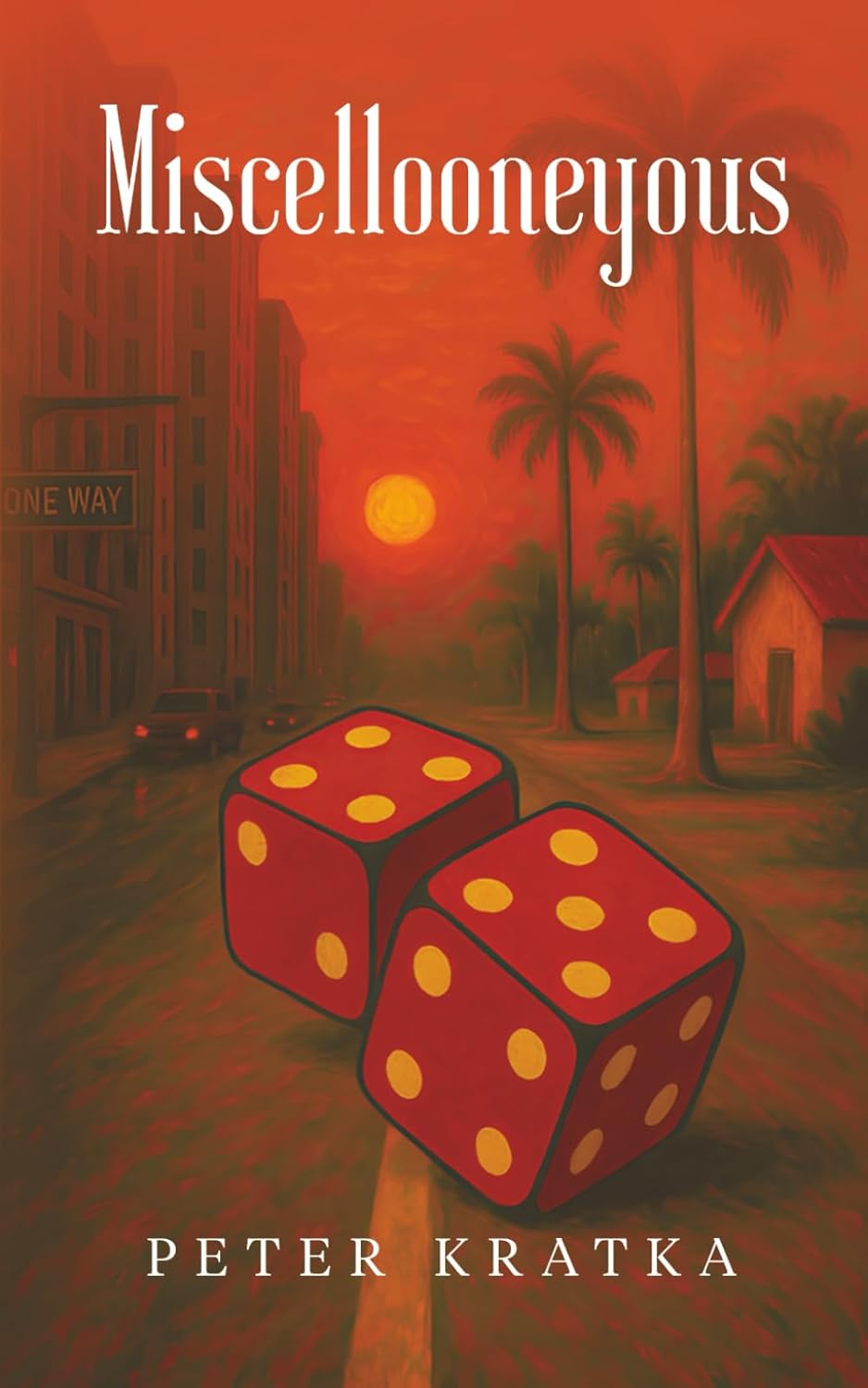
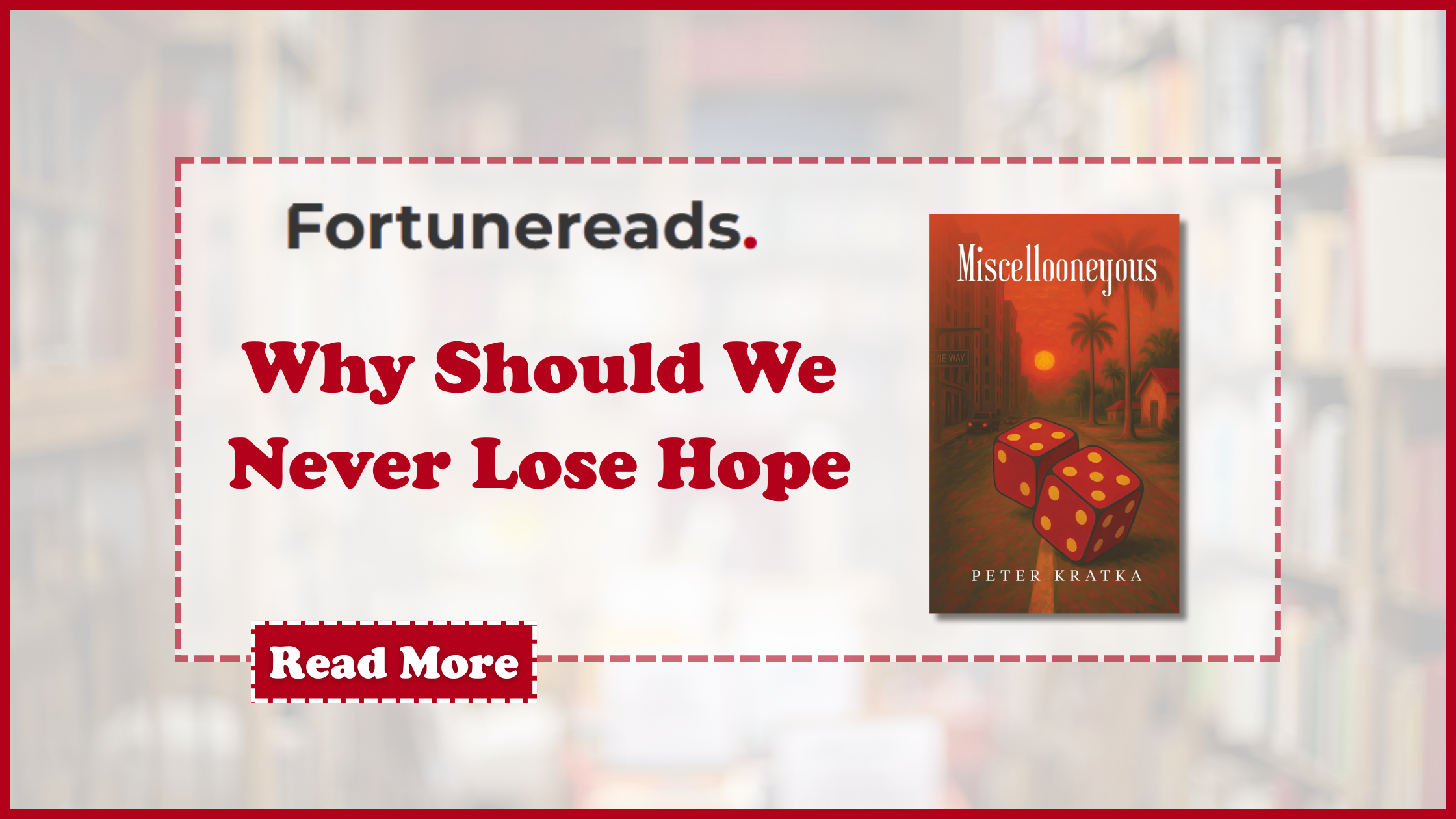
Peter Kratka’s Miscellooneyous is a rich and rollicking testament to this belief. It’s not a self-help book or a motivational guide. It doesn’t preach or prescribe. Instead, it offers true stories drawn from a lifetime of odd jobs, broken plans, offbeat neighbors, family hiccups, and utterly human missteps. In the midst of the chaos, what emerges is a quietly powerful message that will help us to be hopeful and survive, even in the most unexpected circumstances.
At first glance, the essays seem simply amusing, occasionally irreverent, and always observant. We meet hoarders, lost pets, missing neighbors, arguing golfers, and overbearing building residents. But dig deeper, and you realize that Kratka is chronicling small acts of resilience, little moments of grace that illuminate the most ordinary lives.
Take, for instance, the story of Lennie, the elderly neighbor who suddenly goes missing. What begins as an anecdote about a local mystery quickly becomes a portrait of loyalty, community, and the quiet persistence of people who care, even if they don’t say it out loud. Kratka, ever the skeptical narrator, doesn’t tell us to hope. He shows us why it matters.
Or consider the tale of the “Putter Kerfuffle,” an absurd apartment drama over a missing golf club that spirals into passive-aggressive warfare. It’s funny, yes, but it’s also about the things we hold onto in uncertain times: routines, rituals, even ridiculous disputes. Strangely, these small conflicts ground us and remind us that we still care.
Throughout Miscellooneyous, Kratka’s life seems stitched together by wrong turns and odd jobs. He was a waiter, a teacher, a camp counselor, a struggling student, and eventually a doctor. He recounts each chapter not with bitterness but with bemusement. And it’s this perspective that transforms the book from mere humor into something hopeful. No matter the setback, he moves on. He adapts. He finds meaning in the mess.
The lesson is subtle but unmistakable: hope isn’t about blind optimism. It’s about noticing the absurd and laughing anyway. It’s about seeing failure and still moving forward. It’s about aging, adapting, and refusing to let cynicism win.
In today’s world, where stress and disillusionment often drown out small joys, Miscellooneyous is a gentle but firm reminder that stories matter. That people are still weird and wonderful. That humor is a life raft. And that hope often sneaks in through the back door—disguised as a neighborhood feud, a family mishap, or an impromptu sing-along.
So, why should we never lose hope? Because life never loses its unpredictability, its humor, or its capacity to surprise us. And as long as we’re willing to keep showing up, keep laughing, and keep telling our stories, hope will always have a place at the table.
For more insight and motivation, please order your copy of Miscellooneyous from Amazon: https://www.amazon.com/dp/B0FB9CW49L/.