Children rarely tell their stories clearly. Instead, they drop hints, whisper fragments, or show distress through behavior that adults may label as “acting out.” When those signals are ignored, the consequences can be devastating. The truth is simple: for vulnerable children, being listened to can be the first step toward safety, healing, and justice.
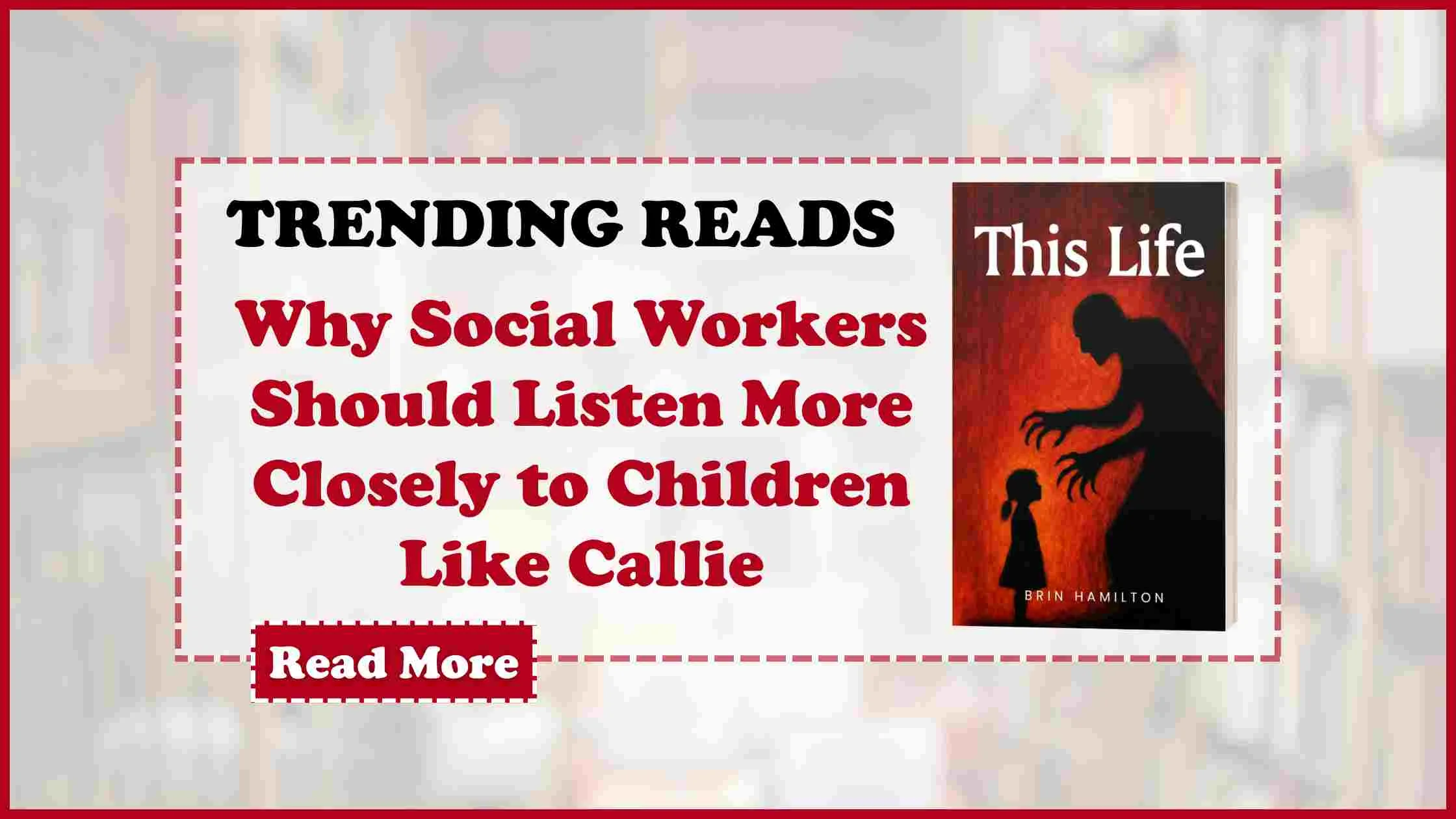
Brin Hamilton’s This Life makes this painfully clear through the story of Callie, a young girl born into violence, addiction, and neglect. From an early age, Callie tried to communicate her suffering through tears, through her struggles in school, and even through hesitant words. But again and again, the adults around her failed to hear what she was really saying.
At school, her teacher, Miss Newton, noticed that something was wrong. Callie admitted she hated being at home, that her father slept all day, and that her mother shouted constantly. These were not casual comments; they were cries for help. But instead of triggering urgent intervention, they were brushed aside or buried in bureaucratic processes. Later, when Callie bravely hinted at inappropriate behavior from her mother’s partner’s sons, her fears were dismissed as exaggeration. Each time, the silence of the system deepened her sense of isolation.
The book underscores a vital point for social workers and professionals: children rarely disclose abuse directly. Fear of punishment, threats from abusers, and mistrust of adults keep them quiet. Instead, they reveal their pain in small, coded ways, through avoidance, anger, unusual language, or inconsistent stories. When these signals are overlooked or dismissed, the child is effectively told that their voice does not matter. That was Callie’s reality, and it is the reality of far too many children today.
Listening closely means more than taking notes; it means believing children when their stories feel uncomfortable or incomplete. It requires professionals to resist the temptation to rationalize away troubling comments. In This Life, the adults who finally chose to listen, Ellen, the neighbor who welcomed Callie into her home, and later her foster carers, transformed her world. Their willingness to hear her, even in fragments, allowed her to rebuild trust and begin healing.
For social workers, the lesson is clear: credibility must be given to children, not demanded from them. It is not a child’s job to prove their suffering; it is an adult’s responsibility to recognize it. By slowing down, asking gentle questions, and following up on small signs, professionals can uncover truths that children cannot fully articulate.
This Life is not just a novel. It is a reminder that every child deserves to be believed. Callie’s story urges us to listen more carefully, to value children’s voices, and to act with urgency when something feels wrong. Because sometimes the quietest words are the ones that matter most.
If you want to understand why listening is the most powerful tool in child protection, This Life is a book you should not miss.