Calm thinking plays a vital role in navigating life challenges because it allows clarity to rise where confusion might otherwise take over. When difficulties appear, the mind often reacts with urgency, fear, or overwhelm. These reactions can cloud judgment and amplify stress. Calm thinking creates a pause between the challenge and the response, making room for thoughtful and balanced decisions rather than impulsive reactions.
Life challenges rarely require immediate answers. Most require understanding, patience, and perspective. When the mind is calm, it can process information without distortion. Emotions are acknowledged without dominating the situation. This balance allows individuals to assess what is truly happening rather than what feels threatening in the moment. Calm thinking turns chaos into something manageable.
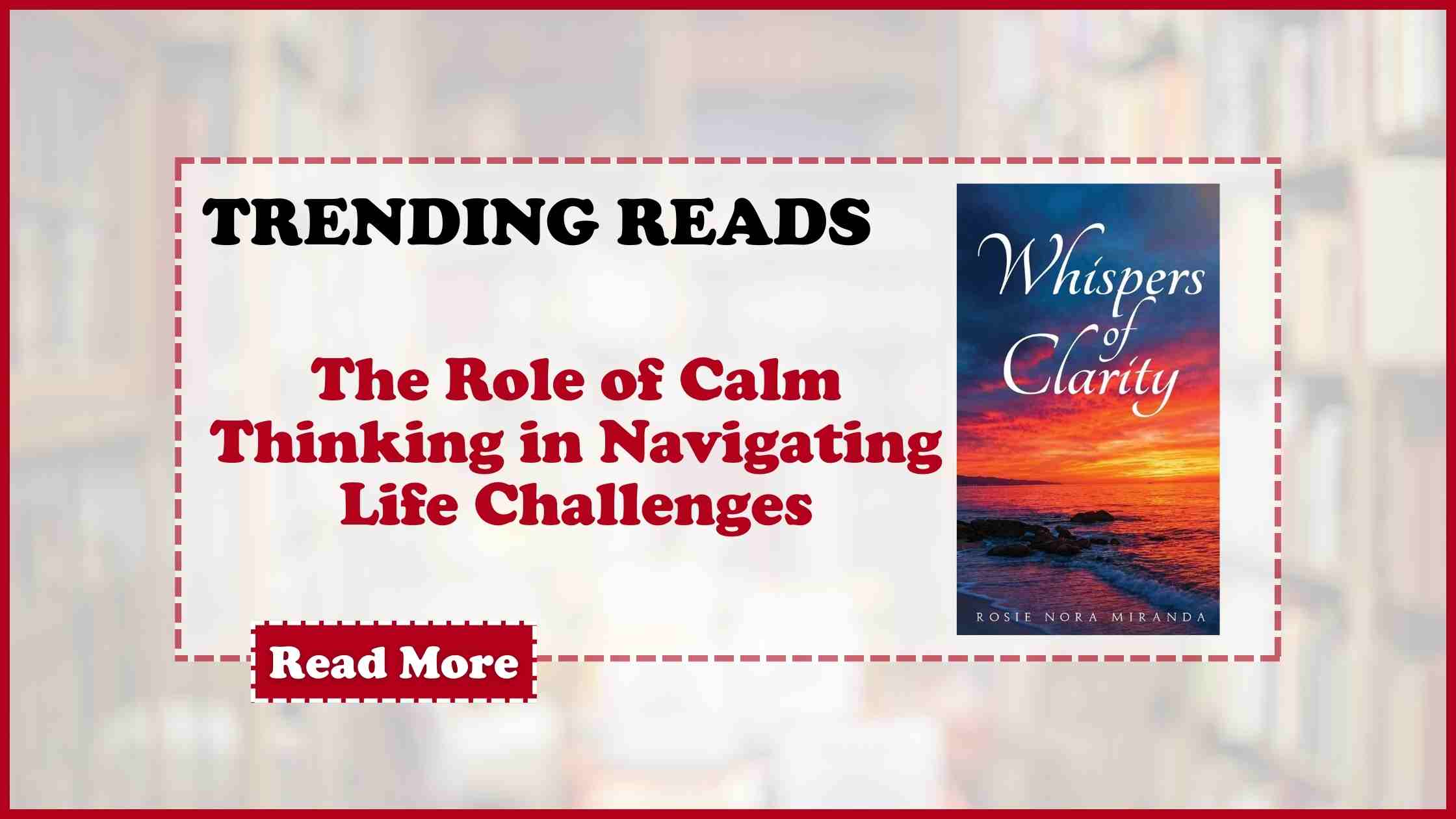
In Whispers of Clarity by Rosie Nora Miranda, calm thinking is presented as a return to inner stillness. Through breath and presence, the mind is guided away from mental noise and back into awareness. From this place, clarity emerges naturally. Challenges no longer feel like emergencies but opportunities to respond with wisdom. Calm thinking does not remove difficulty. It removes unnecessary struggle.
One of the greatest benefits of calm thinking is improved emotional regulation. When emotions run high, decision making suffers. Calm thinking allows emotions to be felt without being acted upon. This prevents regret driven choices and supports long term well being. Instead of reacting to discomfort, the individual can respond with intention and care.
Calm thinking also improves problem solving. A relaxed mind is more creative and flexible. It can see multiple solutions rather than fixating on obstacles. When panic is absent, insight has space to emerge. In Whispers of Clarity by Rosie Nora Miranda, this process is described as listening inward. The quieter the mind becomes, the more clearly guidance is perceived.
Another important aspect of calm thinking is discernment. Not every challenge requires action. Some require patience. Calm thinking helps distinguish between what can be controlled and what must be accepted. This discernment prevents wasted energy and emotional exhaustion. It allows focus to be directed toward meaningful action rather than worry.
Calm thinking also strengthens resilience. When challenges are approached with steadiness, setbacks feel less personal and less permanent. The individual learns to trust their ability to navigate difficulty without being overwhelmed by it. This confidence builds over time, reinforcing emotional strength and stability.
Relationships benefit from calm thinking as well. During conflict or misunderstanding, calm thinking prevents escalation. It allows listening instead of defensiveness. This openness fosters understanding and resolution. Challenges that might otherwise damage connections become opportunities for growth.
Calm thinking supports spiritual awareness by creating space for inner guidance. In moments of stillness, subtle insight becomes accessible. Whispers of Clarity by Rosie Nora Miranda emphasizes that guidance is often gentle and easily missed when the mind is noisy. Calm thinking sharpens awareness of this inner direction, making it easier to move forward with confidence.
Developing calm thinking requires practice. It grows through intentional pauses, mindful breathing, and reflection. Each moment of calm reinforces the ability to return to clarity during stress. Over time, this skill becomes second nature.
The role of calm thinking in navigating life challenges is not about avoiding problems. It is about meeting them with clarity, wisdom, and strength. When the mind is calm, challenges lose their power to overwhelm. Decisions align with values, emotions remain balanced, and life is navigated with greater confidence and peace.
Book now available on https://www.amazon.com/dp/1971610186/.