Christmas in America during the late 1930s carried a unique blend of hardship, hope, and tradition. The country was still emerging from the long shadow of the Great Depression, and many families approached the holiday season with modest means but strong determination to celebrate together. Even during difficult economic times, Christmas remained a moment when families paused to focus on warmth, generosity, and the promise of brighter days ahead.
For many households, the holiday season centered on simple traditions. Families decorated modest Christmas trees with handmade ornaments, strings of popcorn, and paper garlands. Gifts were often small but meaningful, reflecting the spirit of giving rather than extravagance. Children might receive a handmade toy, a book, or a cherished item that would be treasured for years. The joy of the holiday was less about abundance and more about togetherness.
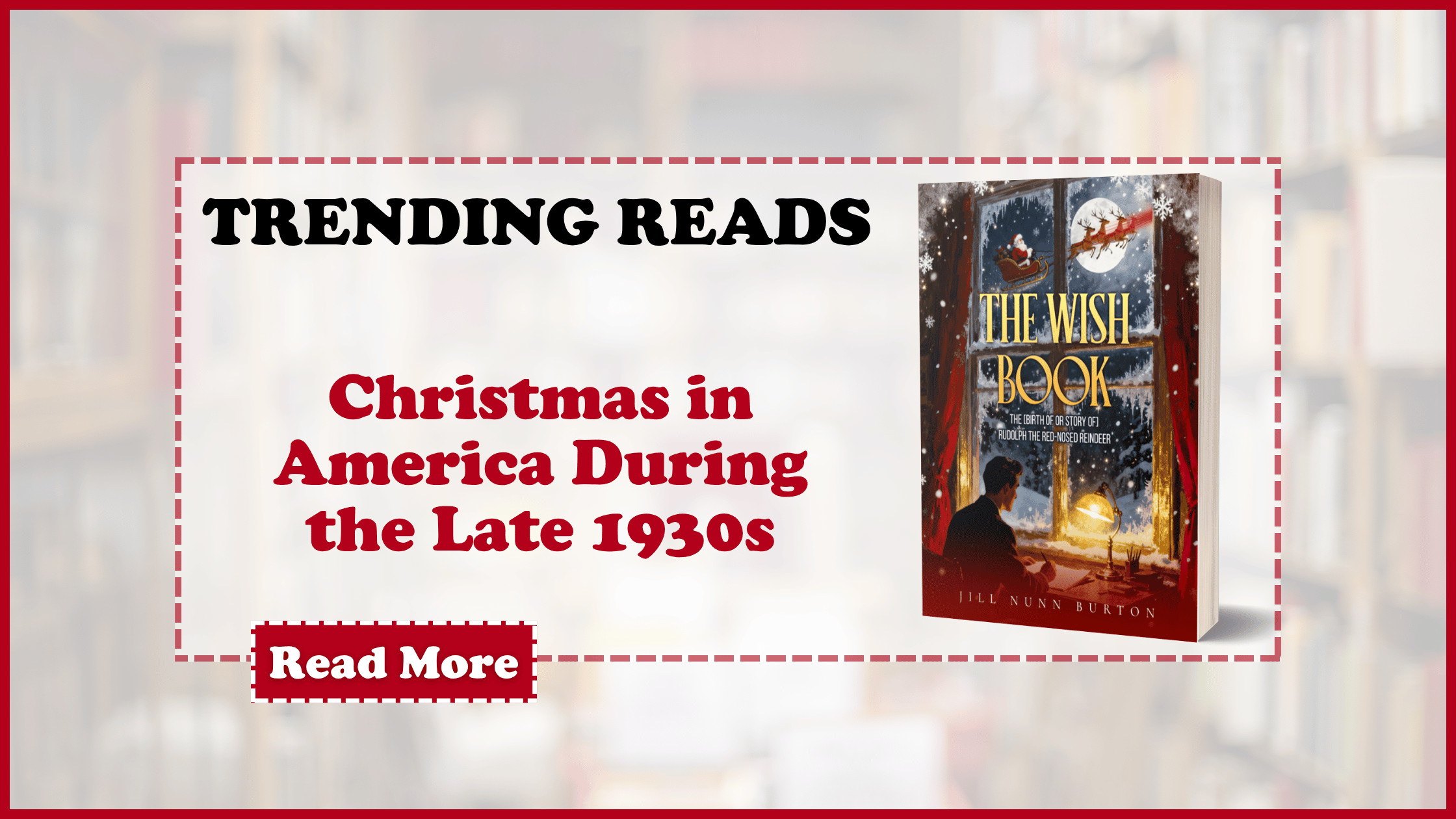
Department stores played an important role in shaping the Christmas experience. Retail giants such as Montgomery Ward and Sears created elaborate holiday displays that filled store windows with festive scenes. Shoppers crowded the aisles searching for gifts, while children eagerly waited to meet Santa Claus during special in store events. The arrival of the annual Christmas catalog, often called the Wish Book, became a highly anticipated moment for families across the country. Children would flip through its colorful pages, dreaming about toys and gifts they hoped might appear under the tree.
Radio also transformed the way Americans experienced Christmas during this era. By the late 1930s, radio had become a central feature in many homes, bringing music, entertainment, and news directly into living rooms. Holiday songs, dramatic programs, and seasonal storytelling filled the airwaves. Families often gathered together around the radio in the evenings, listening to broadcasts that helped create a shared national experience of the holiday season.
Music played an especially important role in Christmas celebrations. Big band orchestras and swing music were rising in popularity during the late 1930s, and many hotels and entertainment venues hosted holiday dances and concerts. These events offered people a chance to forget their worries, celebrate community, and enjoy the uplifting energy of music. Radio broadcasts often carried these performances to listeners across the country, allowing even those at home to feel part of the celebration.
At the same time, storytelling remained a treasured tradition within families. Parents read classic holiday tales to their children, shared fairy tales, and invented imaginative stories during bedtime. These moments helped children dream beyond the challenges of the era and created memories that lasted a lifetime. It was within this atmosphere of family storytelling and imagination that one of the most famous Christmas characters in history would soon be born.
The late 1930s also marked a period when businesses and creators began to recognize the power of holiday storytelling to connect with audiences. Promotional books, seasonal advertisements, and holiday themed characters began appearing in stores and catalogs. These stories not only entertained children but also became part of the broader cultural celebration of Christmas.
Despite the economic difficulties of the time, the Christmas spirit remained remarkably strong. Families gathered around dinner tables, attended church services, sang carols, and shared whatever they had with neighbors and friends. The holiday season reminded people that hope, kindness, and generosity could endure even during uncertain times.
In many ways, Christmas in America during the late 1930s was defined by resilience. It was a celebration rooted in faith, family, and imagination. These traditions helped shape the modern holiday experience and laid the foundation for many of the beloved Christmas stories and characters that continue to bring joy to families today.