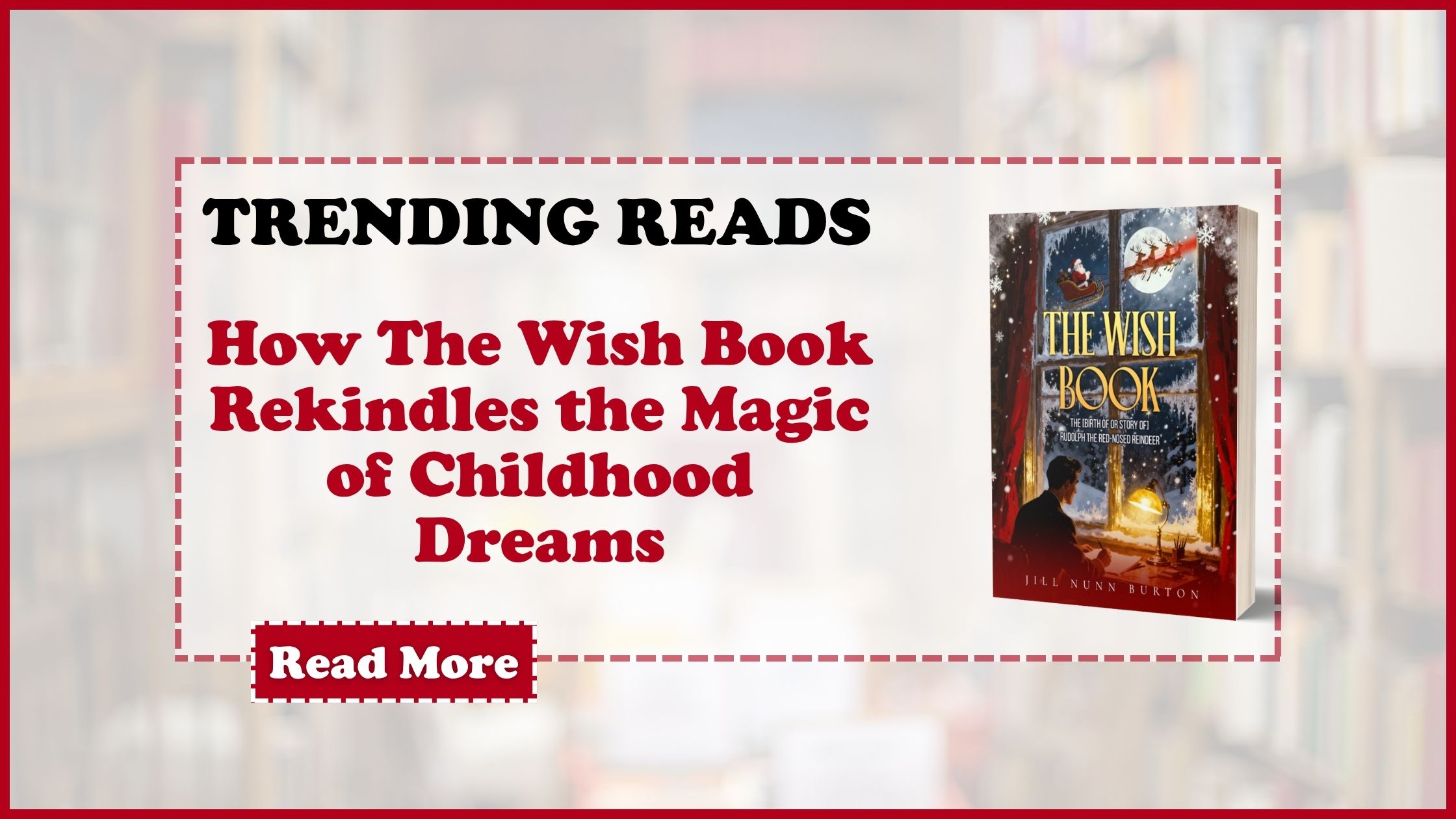
There are books that tell stories and then there are books that awaken something long forgotten within us. The Wish Book by Jill Nunn Burton belongs firmly in the second category. It is not just a holiday read it is an emotional experience that gently pulls readers back into the world of childhood wonder, where dreams felt closer, wishes felt powerful and imagination shaped reality in the most beautiful ways.
At the heart of The Wish Book lies a simple but profound idea: the magic of childhood dreams never truly disappears; it only becomes buried beneath the weight of adulthood. The book acts as a bridge between these two worlds, reconnecting readers with the part of themselves that once believed in limitless possibilities. Through its heartfelt storytelling, it encourages readers to remember a time when hope was effortless and imagination was a way of life.
One of the most powerful ways The Wish Book rekindles childhood magic is through its emotional tone. The narrative is infused with warmth, innocence and sincerity qualities that mirror the way children naturally see the world. Instead of overcomplicating its message, the story embraces simplicity. It invites readers to slow down and feel again, to remember what it was like to be moved by small moments, big dreams and the belief that anything was possible.
In today’s fast-paced world, many readers find themselves disconnected from imagination. Responsibilities, routines and digital distractions often overshadow creativity. This is where The Wish Book becomes especially meaningful. It offers a pause from reality and gently reintroduces the idea that dreaming is not childish; it is essential. Readers are reminded that the dreams they once had as children still hold value, even in adulthood.
Another reason the book resonates so deeply is its ability to evoke nostalgia without relying on sentimentality alone. The Wish Book does not simply remind readers of their childhood; it makes them feel like they are experiencing it again. The storytelling captures the emotional texture of youth, the excitement of anticipation, the purity of belief and the comfort of hope. This emotional authenticity is what transforms the reading experience into something truly memorable.
The book also reconnects readers with the idea of “wishes,” a concept that is often associated with childhood but rarely revisited in adulthood. In The Wish Book, wishes are not dismissed as fantasy; they are treated as powerful expressions of desire, identity and aspiration. This perspective encourages readers to reflect on their own forgotten dreams and consider what they might still wish for if they allowed themselves to believe again.
Families, in particular, find special meaning in The Wish Book. It becomes more than a story; it becomes a shared emotional experience. Parents reading it with children often find themselves rediscovering their own sense of wonder through their child’s eyes. This intergenerational connection strengthens the book’s impact, turning it into something that can be passed down, discussed and remembered together.
The storytelling style also plays a key role in reviving childhood imagination. Instead of overwhelming readers with complexity, The Wish Book embraces clarity, emotion and vivid imagery. This allows readers to visualize scenes effortlessly, much like how children naturally build entire worlds in their minds. The result is a reading experience that feels immersive, almost cinematic, yet deeply personal.
Perhaps most importantly, The Wish Book reminds readers that dreaming is not something we outgrow. It is something we can return to at any stage of life. The book gently challenges the idea that adulthood and imagination must be separate, instead suggesting that the most fulfilling lives are often those that continue to dream boldly.
As readers close the final pages, they are often left with a lingering feeling of something soft, hopeful and familiar. It is the feeling of remembering who they once were and realizing that part of that person still exists within them. That is the true magic of The Wish Book: it does not just tell a story; it restores a sense of wonder.
In rekindling childhood dreams, the book offers more than nostalgia; it offers renewal. And in doing so, it secures its place as a meaningful and enduring holiday read for readers of all ages.
Visit my Profile : https://www.facebook.com/JillNunBurtonAuthor