Nationalism has returned to the centre of modern politics because many people feel their countries are slipping beyond their control. Borders, industries, traditions, and political authority all seem weaker in an age shaped by global markets, mass migration, cultural change, and distant institutions. For voters who feel ignored, nationalism offers something powerful: belonging.
Across the West, mainstream parties spent decades promoting globalisation, free trade, and open societies. They promised growth and progress, but many communities experienced something very different. Factories closed, wages stalled, towns declined, and public trust faded. People were told to adapt, while elites appeared protected from the consequences of the policies they championed.
Nationalist leaders stepped into this anger with a clear message: the nation has been betrayed, and power must be taken back. That message works because it speaks not only to economics, but to identity. It tells people their culture matters, their history matters, and their way of life is worth defending.
This is why slogans about borders, sovereignty, and national pride carry such force. They are not just policy positions. They are emotional appeals to people who feel displaced in their own countries. In America, Britain, France, Hungary, Italy, and beyond, nationalist movements have turned anxiety into political power.
But nationalism has a darker edge. When love of country becomes suspicion of outsiders, democracy begins to narrow. Immigrants, minorities, journalists, judges, and political opponents can all be cast as threats to the “real” nation. Once that happens, national pride becomes a weapon.
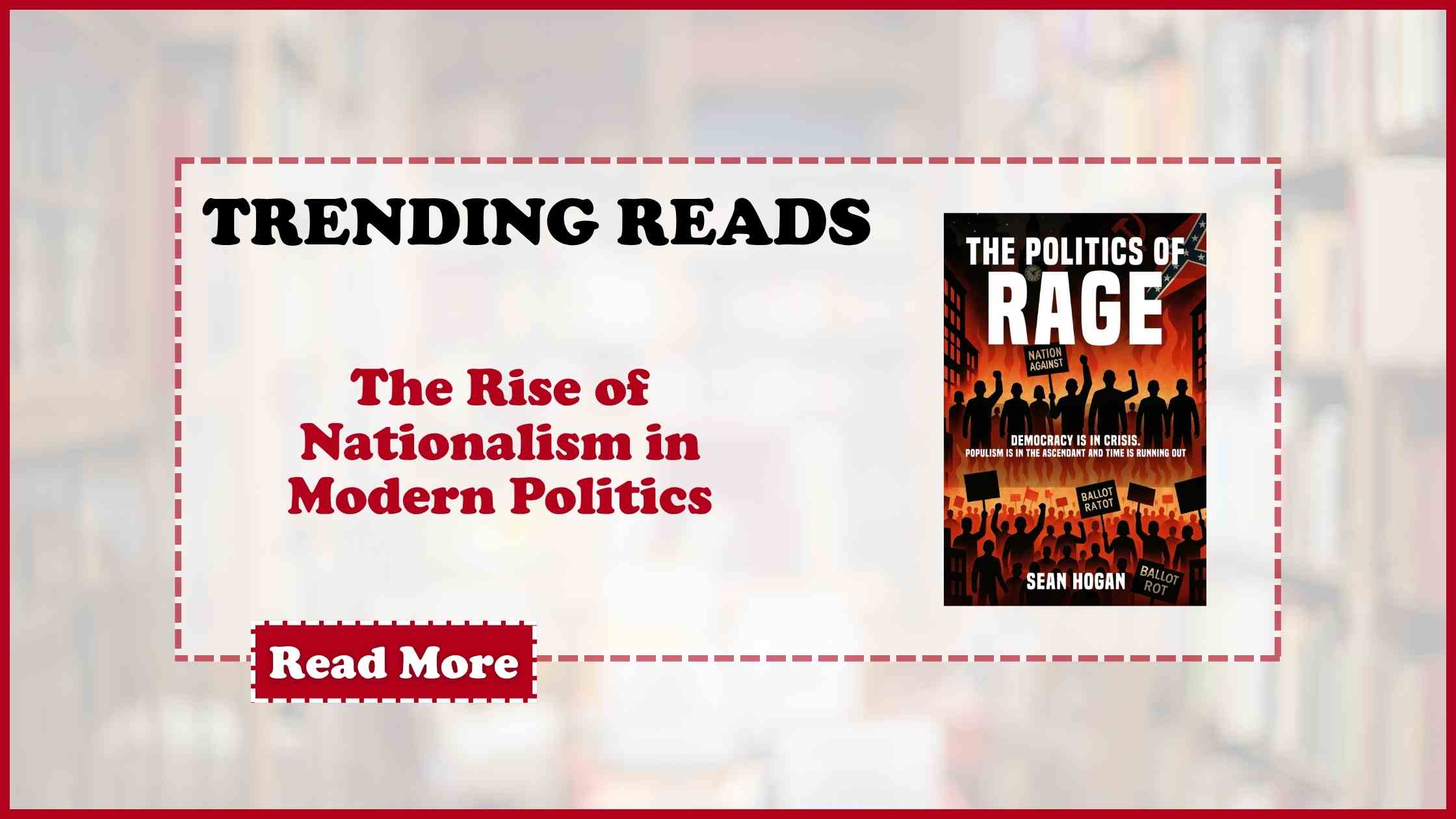
This urgent tension sits at the heart of The Politics of Rage: The Rise of the Far Right, And the Battle to Save Democracy by Seán Hogan. The book examines how nationalism has been revived by economic betrayal, cultural fear, media fragmentation, and the rise of populist leaders who promise restoration while deepening division.
Seán Hogan shows that nationalism cannot simply be dismissed. It answers a real hunger for dignity, community, and control. But when exploited by extremists, it can weaken the very democratic freedoms it claims to defend.
The Politics of Rage is essential reading for anyone trying to understand why nationalism is rising again, why it appeals so strongly, and why democracy must offer a better answer before rage defines the future.
Find out in this essential read, available on Amazon: https://www.amazon.com/dp/B0FHBDWJD4/.