Friendships are an important part of childhood, but they can also bring worry, uncertainty, and emotional stress. Many children struggle with friendship anxiety at some point. They may worry about fitting in, being left out, saying the wrong thing, or making new friends. For sensitive children especially, social situations can feel overwhelming and emotionally exhausting.
Friendship anxiety often appears in quiet ways. A child may avoid group activities, stay close to adults, hesitate to join games, or become upset after small social disappointments. Some children replay conversations in their minds, while others fear rejection before even trying to connect. These feelings are more common than many parents realise.
One of the most important things adults can do is reassure children that friendship challenges are a normal part of growing up. Children need to know they are not alone in feeling nervous, unsure, or afraid around others. Creating safe conversations about emotions helps children feel supported instead of embarrassed by their worries.
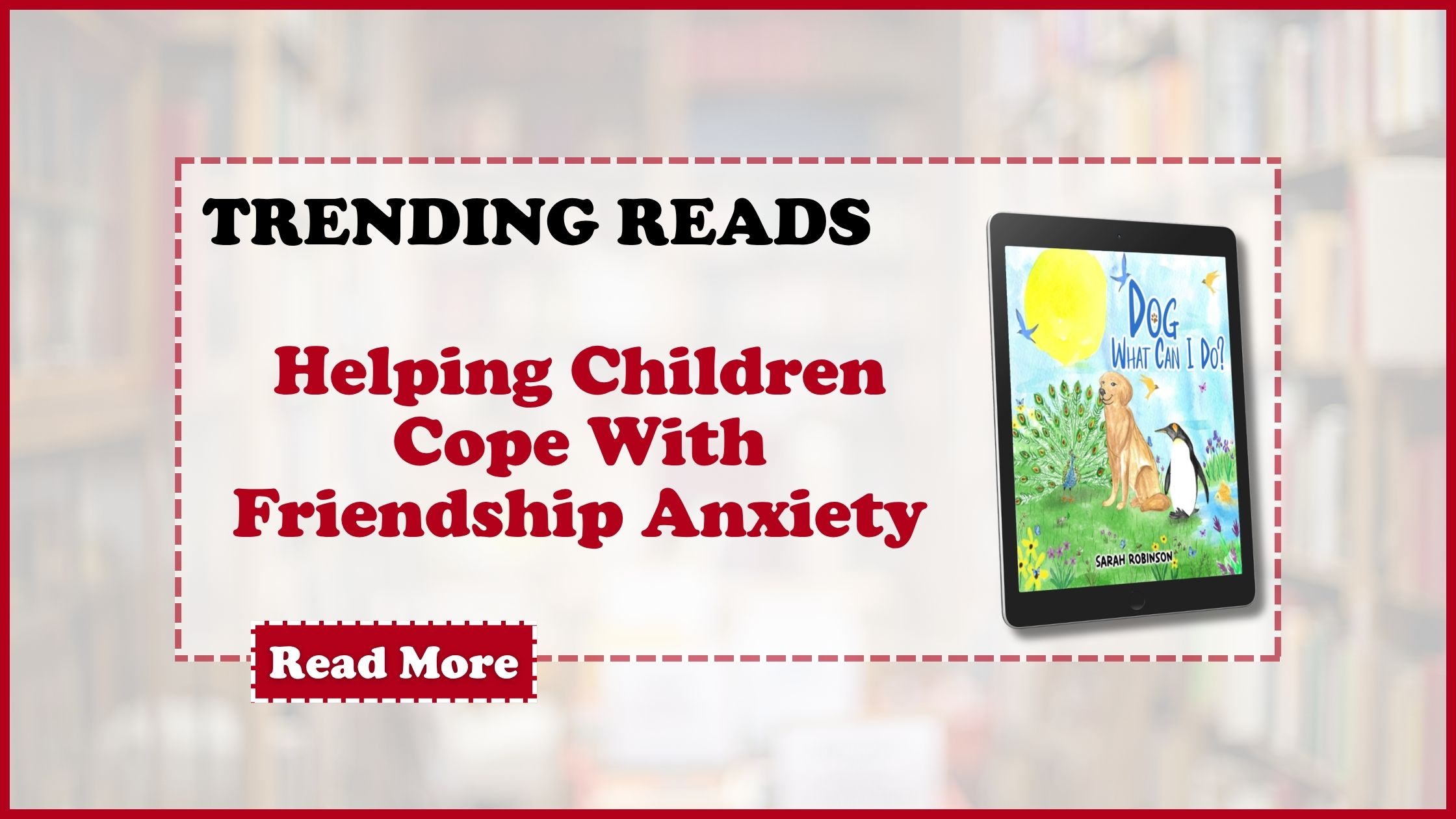
Books can also play a powerful role in helping children understand social emotions. Sarah Robinson’s Dog, What Can I Do? gently explores feelings such as fear, loneliness, uncertainty, and the desire for connection. Through calming animal characters and relatable emotional experiences, the book reminds children that difficult feelings can be worked through with kindness and patience.
Children with friendship anxiety often benefit from small, manageable social steps rather than pressure to become instantly outgoing. Encouraging side by side play, short conversations, or shared activities can feel much safer than expecting children to jump into large group interactions. Even quiet connections can help build confidence over time.
Teaching children calming strategies before social situations can also make a difference. Deep breathing, movement, positive self talk, or imagining a safe place can help reduce anxious feelings before entering a classroom, playground, or new activity. When children feel calmer physically, social situations often feel less intimidating emotionally.
It is equally important to help children focus on qualities beyond popularity. Friendship is not about being the loudest, funniest, or most outgoing child in the room. It is about kindness, trust, shared interests, and feeling accepted. Children who understand this are less likely to measure their worth by social approval alone.
In Dog, What Can I Do?, children are encouraged to look for good in themselves and others, even when they feel afraid or misunderstood. This message can help children shift away from self doubt and begin building healthier social confidence. The book offers reassurance that connection does not always happen instantly, and that even small moments of shared play and understanding matter.
Parents and caregivers should also remember that friendship skills develop gradually. Some children naturally form connections quickly, while others need more time and emotional safety. Neither approach is wrong. What matters most is helping children feel valued, supported, and understood throughout the process.
With encouragement, patience, and emotionally supportive resources like Sarah Robinson’s Dog, What Can I Do?, children can learn that friendship does not require perfection. It simply begins with courage, kindness, and the willingness to connect one small step at a time.
Available on Amazon : https://www.amazon.com/dp/B0H1T9JWN9/