Welcoming a new baby into your home is an incredible, life-changing milestone,, and when you hold them in your hands, the feeling cannot be put into words. Whether you are bringing home a newborn from the hospital or welcoming an infant through the foster care system, the early days are filled with a mix of happiness and anxiety. Being a new parent, your day could revolve around a dizzying blur of diaper changes, sleepless nights, and the overwhelming feeling of “Am I taking the right care of my baby?” While you may meet people advising you to give your baby proper sleep schedules and nursery decor, there are overlooked aspects of infant care that new parents and foster parents must address, especially when considering that infants in foster care carry the invisible weight of early trauma, prenatal stress, and separation.
To help you navigate this profound journey, here are eight essential tips that look beyond the surface to nurture both your baby’s physical development and their emotional well-being:
- Recognize That Babies Are Never “Blank Slates”: Society often assumes newborns are untouched by hardship. But do you know that, in fact, particularly those in foster care carry trauma from prenatal stress hormones. They could be exposed to substance exposure or the profound loss of being separated from their birth families. Acknowledging this reality helps you approach your baby with radical empathy, not frustration.
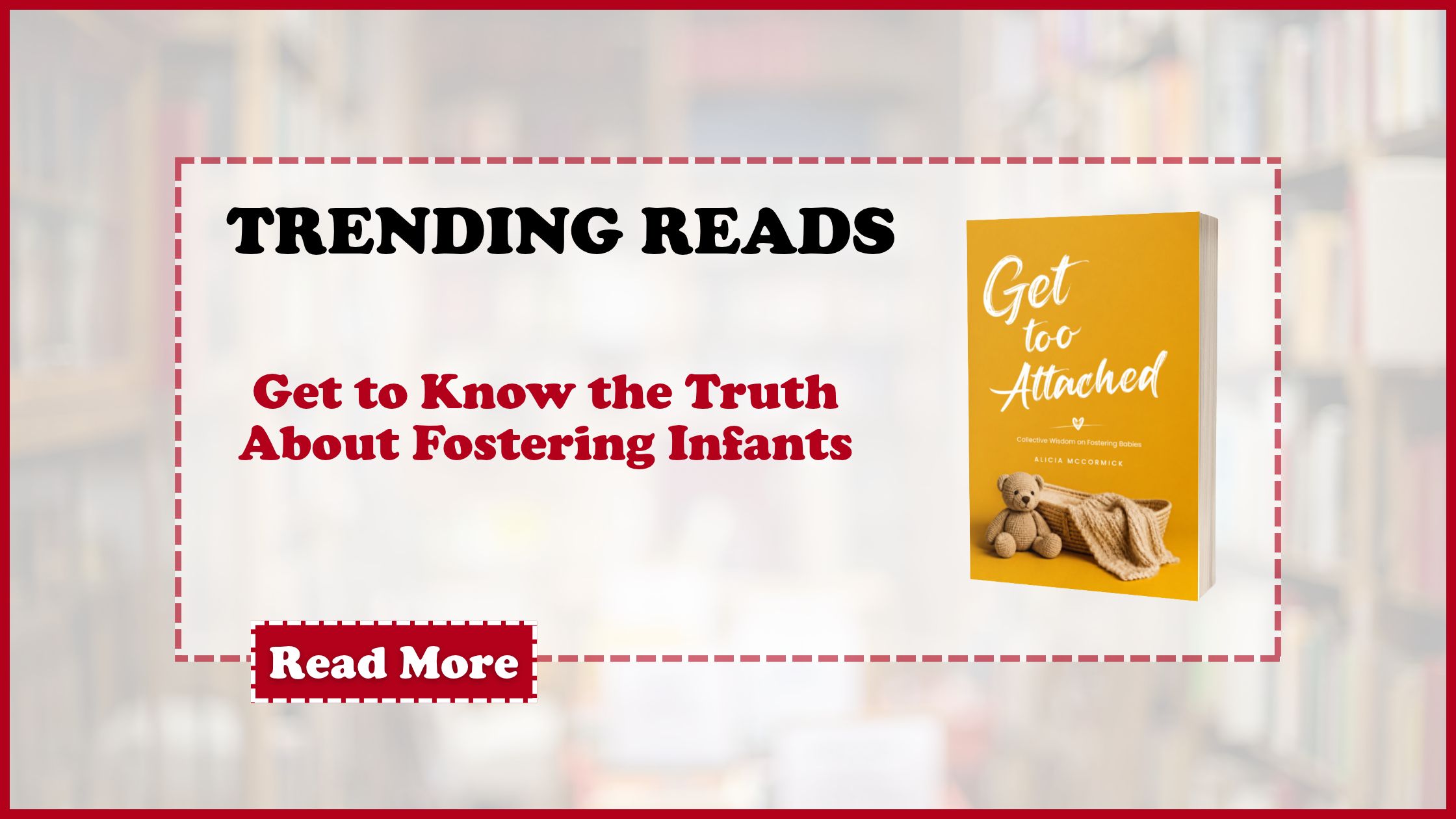
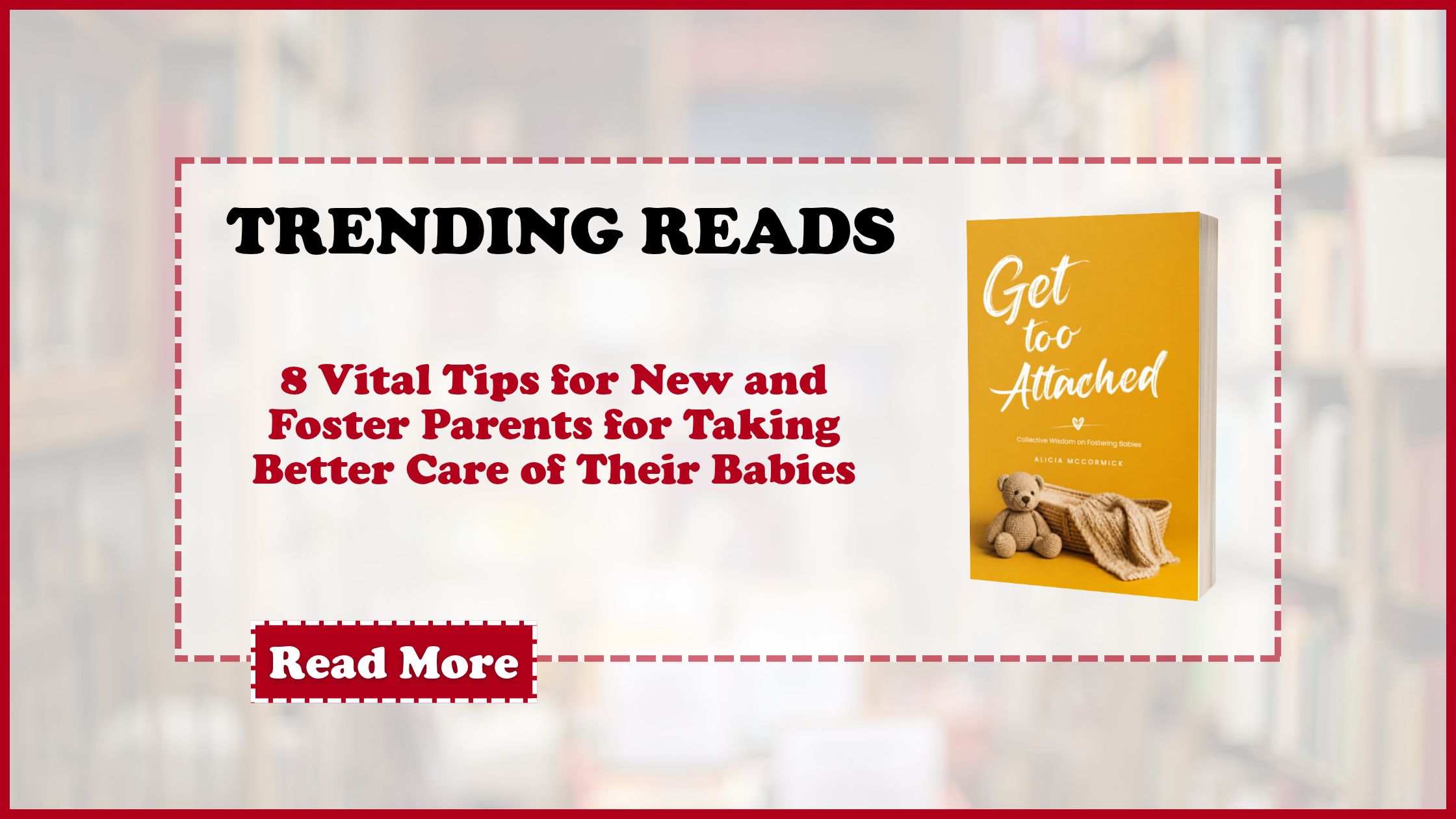
- Watch Out for the Danger of the “Good Baby”: An unnaturally quiet, easygoing baby who never cries or resists being held may not actually be “easy.” As highlighted in Get Too Attached: Collective Wisdom on Fostering Babies by Alicia McCormick, PhD, this behavior could be a red flag for dissociation or trauma shutdown. So, you should look for any sign, and don’t waste time taking good care of your baby if they are being good, or in short, acting like perfect babies, without creating a fuss for a long time. Babies who have experienced early neglect learn quickly that crying brings no relief, so they disconnect to survive.
- Prioritize Kangaroo Care and Baby-Wearing: Physical closeness is medicine for a traumatized or stressed nervous system. Skin-to-skin contact (kangaroo care) and wearing your baby in a carrier close to your heartbeat help regulate breathing, lower stress hormones, and build a secure attachment foundation.
- Never Let Them “Cry It Out”: Traditional sleep-training methods like letting an infant cry it out can be deeply re-traumatizing for a baby from a hard place. Traumatized infants need to learn that the world is safe and that an adult will consistently respond to their distress calls. Responsive caregiving, such as rocking them to sleep or staying by their crib can also be vital for them to feel that you are there for them.
- Anticipate Hidden Feeding Struggles: Neglect and in-utero substance exposure frequently manifest as severe feeding challenges, including uncoordinated suck-swallow patterns, severe reflux, or deep-seated food insecurity. Pay close attention to your baby’s nutritional cues, work with pediatric specialists early, and understand that food hoarding or overeating behaviors can stem from early scarcity.
- Create a Low-Stimulation Sanctuary: Frayed nervous systems easily become overwhelmed. So, it is good to keep your home environment calm by dimming lights, minimizing blaring noises, and rotating out toys so your baby isn’t sensory-overloaded.
- Regulate Your Own Nervous System First: An infant cannot calm down if their caregiver is dysregulated. So you should prioritize your own mental health through therapy, support groups, and leaning on your village if you are feeling drained. Remember that taking a breather when you are overwhelmed is a form of good parenting.
- Document and Honor Their Full Story: Whether a child stays with you permanently or reunifies with their biological family, they deserve to know where they came from. So, create visual life books featuring photos of their birth family, NICU stays, and early placements, speaking of their origins with positive regard, in case they need to know about their bioloical parents.
To truly master the nuances of infant care and trauma-informed parenting, you need a trusted guide. We strongly suggest reading Get Too Attached: Collective Wisdom on Fostering Babies by Alicia McCormick, PhD, an invaluable resource filled with raw, honest insights from veteran foster parents that will transform the way you care for vulnerable little ones.
Read the book on Amazon: https://a.co/d/021kJ9Y3