Empathy is a crucial social-emotional quality that develops gradually in children, shaped by the world they observe and experience. Through stories, everyday examples, and gentle guidance, young minds learn to comprehend and share the feelings of others, building stronger friendships, resolving conflicts peacefully, and growing into compassionate adults. Teaching this to young minds, however, requires practical, everyday approaches, not lectures.
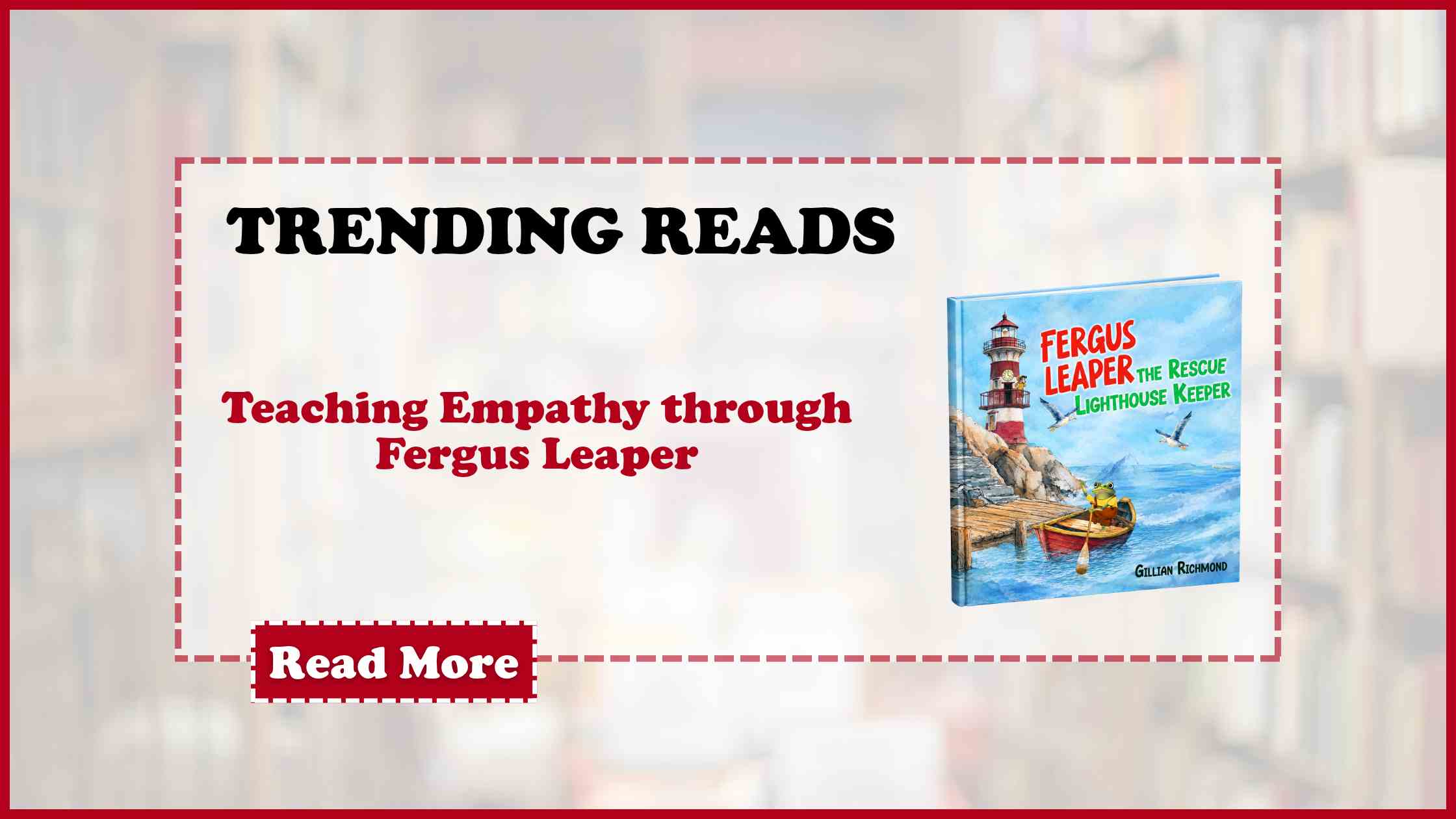
Fergus Leaper: The Rescue Lighthouse Keeper, by Gillian Richmond, is a wonderful example, offering inspiration and lessons in kindness, teamwork, and compassion. Combining storytime with everyday conversations and actions, young readers become more understanding and compassionate of their surroundings.
Here are eight additional strategies to cultivate empathy in children from a young age:
1. Model Empathetic Behaviour Daily
Children are keen observers who follow how adults interact on a day-to-day basis. If they see you listening patiently, offering help to a neighbour, or speaking kindly to someone in distress, they absorb those lessons naturally. Let them hear you express concern for others and explain your reasoning when you perform small acts of kindness.
2. Label and Discuss Emotions Openly
Kids often struggle to show empathy simply because they cannot identify what someone else is feeling. Help them build an emotional vocabulary by pointing out feelings in everyday life. When reading stories or watching characters navigate challenges, ask questions like, “How do you think they feel right now?” or “Why do you think they look sad?”
3. Encourage Perspective-Taking through Play and Stories
Do you know that books offer a safe window into others’ lives? These are great vessels and resources for letting children step outside their own experiences and opening their eyes to see the different perspectives of life that they need to learn in the future. In this regard, stories that feature diverse characters facing different challenges help kids understand that not everyone views the world the exact same way.
- Suggested reading: Read Fergus Leaper: The Rescue Lighthouse Keeper by Gillian Richmond. This delightful rhyming story introduces young readers to Fergus, a one-legged rescue frog, and Bernie, a loyal dog, who spend their days watching the ocean and listening for cries for help
When characters like a stranded dog, a lost cat and goat, or a whale trapped in a net call out, the rescue team immediately springs into action. Discussing how these animals feel when they are scared and how relieved they are when rescued is a powerful, engaging way to teach children to notice when others need help and step up to assist.
4. Practice Active Listening at Home
When your child wants to talk about their day, a playground disagreement, or a broken toy, give them your full, undivided attention. Avoid rushing to fix the problem or dismissing their feelings. Showing them what it feels like to be truly heard and validated teaches them how to offer that same attentive listening to their peers.
5. Assign Shared Household Responsibilities
Involving children in household chores teaches them that they are part of a community where everyone contributes to the well-being of others. Whether it is feeding a pet, clearing the dinner table, or helping clean up toys, these small routines instil a sense of shared responsibility and consideration for family members’ workload.
6. Broaden Their Horizons and Experiences
Expose children to different perspectives, cultures, and ways of life. Visit community events, read books from varied authors, and talk about how people around the world live. Understanding that differences are something to celebrate, not fear, lays a solid foundation for genuine empathy.
7. Discuss the Consequences of Actions
When conflicts happen, as they inevitably do among children, try to avoid immediate punitive measures without discussion. Guide your children to look at the impact of their behaviour. Ask questions like, “How do you think your friend felt when that happened?” This shifts their focus from avoiding punishment to caring about how their actions affect others.
8. Volunteer Together as a Family
Action reinforces empathy better than words alone. Find age-appropriate ways to give back to your local community, such as donating outgrown clothes, participating in a neighbourhood clean-up, or visiting an animal shelter. Seeing firsthand how their efforts improve someone else’s day leaves a lasting impression on a developing mind.
Empathy is best taught through example, open discussion, and relatable stories. Whether you’re reading together, volunteering, or talking about feelings, each step helps your child develop into a thoughtful, understanding person.
Fergus Leaper: The Rescue Lighthouse Keeper, by Gillian Richmond, beautifully illustrates these lessons in action, serving as a joyful and effective starting point in sparking conversations about kindness and helping others.
Order your copy on Amazon. Share Fergus and Bernie’s heartwarming rescue adventures with your family today.