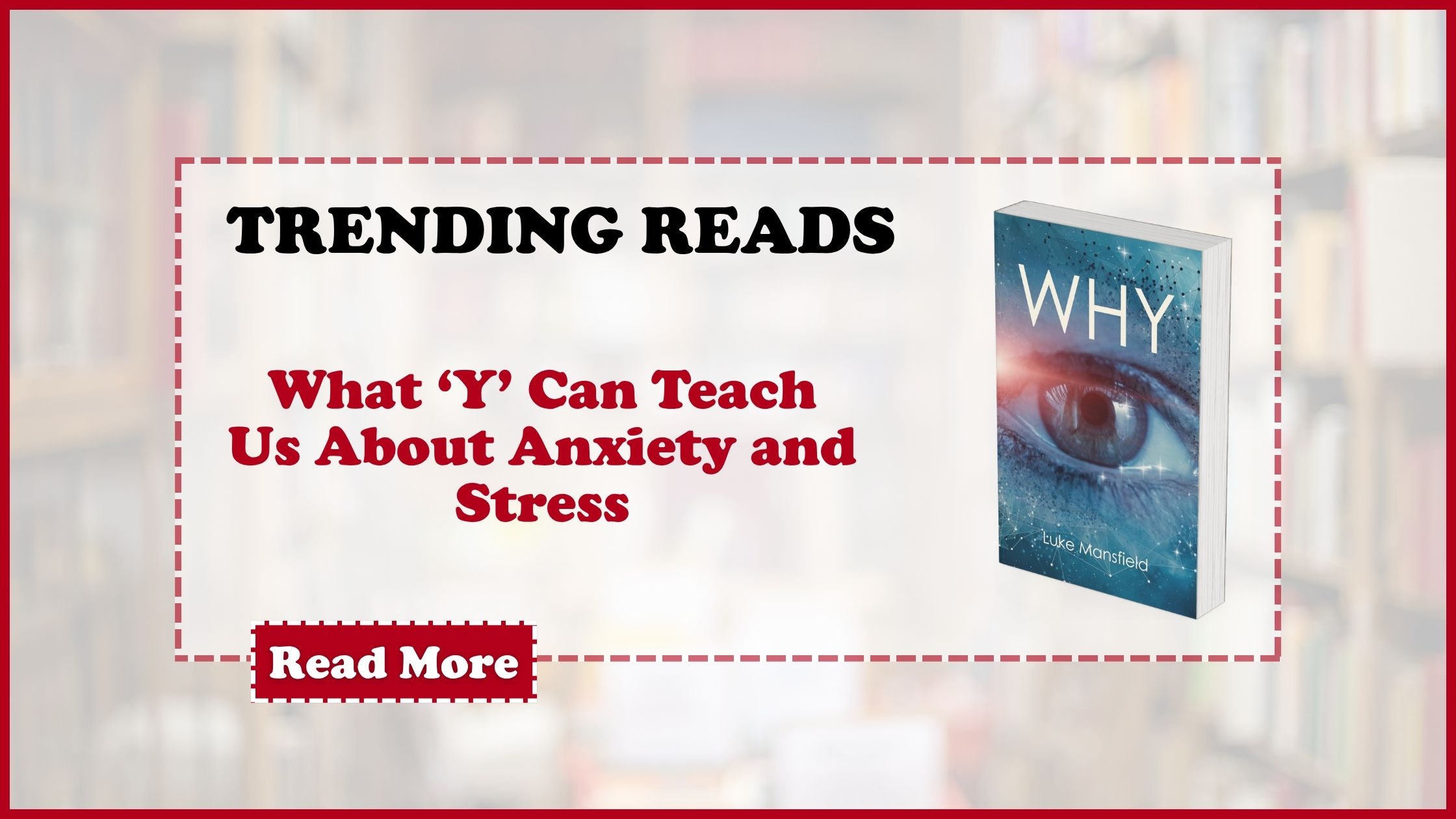
Anxiety and stress are part of everyday life. We feel them before exams, during job interviews, in friendships, and even in moments when nothing obvious is going wrong. For young people especially, these feelings can feel overwhelming, and the instinct is often to avoid them or to see them as flaws. But what if stress and anxiety are signals of something deeper? In WHY: Explanation, guide and reference to basic human motivations, Luke Mansfield explains that many of these reactions can be traced back to our basic instincts. By looking at them through the lens of “Y,” his shorthand for why we act the way we do, we can learn to understand and manage these feelings more effectively.
Mansfield highlights that our actions, reactions, and emotions come from instincts that humans have carried for thousands of years. One of the most powerful of these is self-preservation. This instinct kept our ancestors alive by preparing them to face danger. When we feel anxiety today, it is often this same instinct at work, even if the threat is not a wild animal but a stressful situation like giving a presentation or meeting new people.
Recognizing this connection can change how we view stress. For example, instead of labeling ourselves as weak, we can see anxiety as a natural response, a system designed to protect us. The problem is that in the modern world, the instinct sometimes reacts to challenges that are not life-threatening. The fast heartbeat, tense muscles, or racing thoughts that come with anxiety are the same tools our ancestors used to prepare for survival.
Understanding “Y” means learning to ask, “Why am I feeling this way?” If stress shows up before an exam, the “Y” may be the instinct to succeed and to secure belonging in a group. If anxiety appears before meeting someone new, the “Y” may be connected to the instinct for acceptance and recognition. By naming the instinct, we give ourselves a chance to respond more calmly instead of being caught up in the emotion.
Mansfield also points out that instincts like competition and belonging can add to stress. Where competition pushes us to do better, it can also make us compare ourselves to others in unhealthy ways. Similarly, belonging helps us build relationships, but it can also create pressure to fit in. Seeing these pressures as part of our natural instincts helps us step back and decide how we want to handle them, instead of letting them take control of our behavior and responses.
Anxiety and stress will never disappear completely. But understanding the “Y” behind them can make them easier to manage. Instead of asking how to avoid stress, we can ask how to work with it. This could mean preparing more for a challenge, practicing calming techniques, or reminding ourselves that the instinct is there to help us, not harm us.
For anyone struggling with anxiety or trying to support someone who is, Mansfield’s book provides a simple and practical way to think about these feelings. It shifts the focus from fear to understanding. Stress and anxiety are not signs that something is wrong with us—they are reminders that we are human, carrying instincts that have always been with us.
If you want to better understand these instincts and how they shape your response to challenges, WHY by Luke Mansfield is a valuable resource. It offers insight into human behavior that can help you see anxiety and stress not as enemies but as part of the story of survival that we all share.
Head to Amazon to purchase your copy: https://www.amazon.com/dp/B0F33WJRRC/.