Practical tips for dealing with an uncertain time in your life
Dark seasons come for everyone, and for those who have lived with disability, trauma, or long periods of feeling unseen, the darkness can feel heavy and persistent. These individuals may feel a weight settle over ordinary days and make even small tasks harder. These eight practices have helped many people, including those whose stories look a lot like the one told in The Silent Fortress, find their way back toward light. They are not quick fixes or 100% guaranteed solutions, but they can help you to adopt steady habits that create space for healing over time.
1. Name what you are carrying.
Silence often makes pain heavier. Speaking the truth of what happened, even if only to yourself at first, begins to loosen its grip. Writing it down, saying it aloud in an empty room, or sharing it with one trusted person can shift the weight. Naming the experience does not make it disappear, but it stops it from living only in the shadows.
2. Stop performing strength you do not feel.
You do not have to be inspirational every day. Allow yourself to be tired, angry, or uncertain without turning it into another performance. Many people who have survived difficult childhoods or long-term exclusion become skilled at looking capable even when they are struggling. Letting that mask rest, even briefly, is an act of honesty, not weakness.
3. Build small, reliable anchors.
A morning walk, a cup of tea in the same chair, a text to one safe person. Tiny rituals create stability when everything else feels uncertain. These anchors do not solve the larger problems, but they give the nervous system something predictable to hold onto. Over time, they form a quiet structure that makes the darker days more manageable.
4. Protect your energy fiercely.
Not every relationship deserves access to you. Distance from people who diminish you is not selfishness; it is survival. This can be especially hard with family, where guilt and history often complicate the decision. Yet protecting your peace is necessary if you want the strength to keep going. Boundaries are not walls. They are the conditions that let you stay present for the people and work that matter.
5. Let your body tell the truth.
Trauma and long-term stress live in the body. Movement, rest, and sensory comfort such as warmth, weight, or quiet can help release what words cannot reach. For some, this looks like walking. For others, it is stretching, gardening, or simply sitting still with a heavy blanket. Listening to the body rather than overriding it is a form of respect that many survivors have to learn later in life.
6. Find one person who sees you clearly.
It does not have to be many. One person who does not need you to explain or perform can change the temperature of a whole life. This person might be a partner, a friend, a therapist, or a fellow survivor. What matters is that their presence feels steady and safe. Being truly seen, without having to translate or defend yourself, is one of the most powerful antidotes to long-term isolation.
7. Read stories of people who made it through.
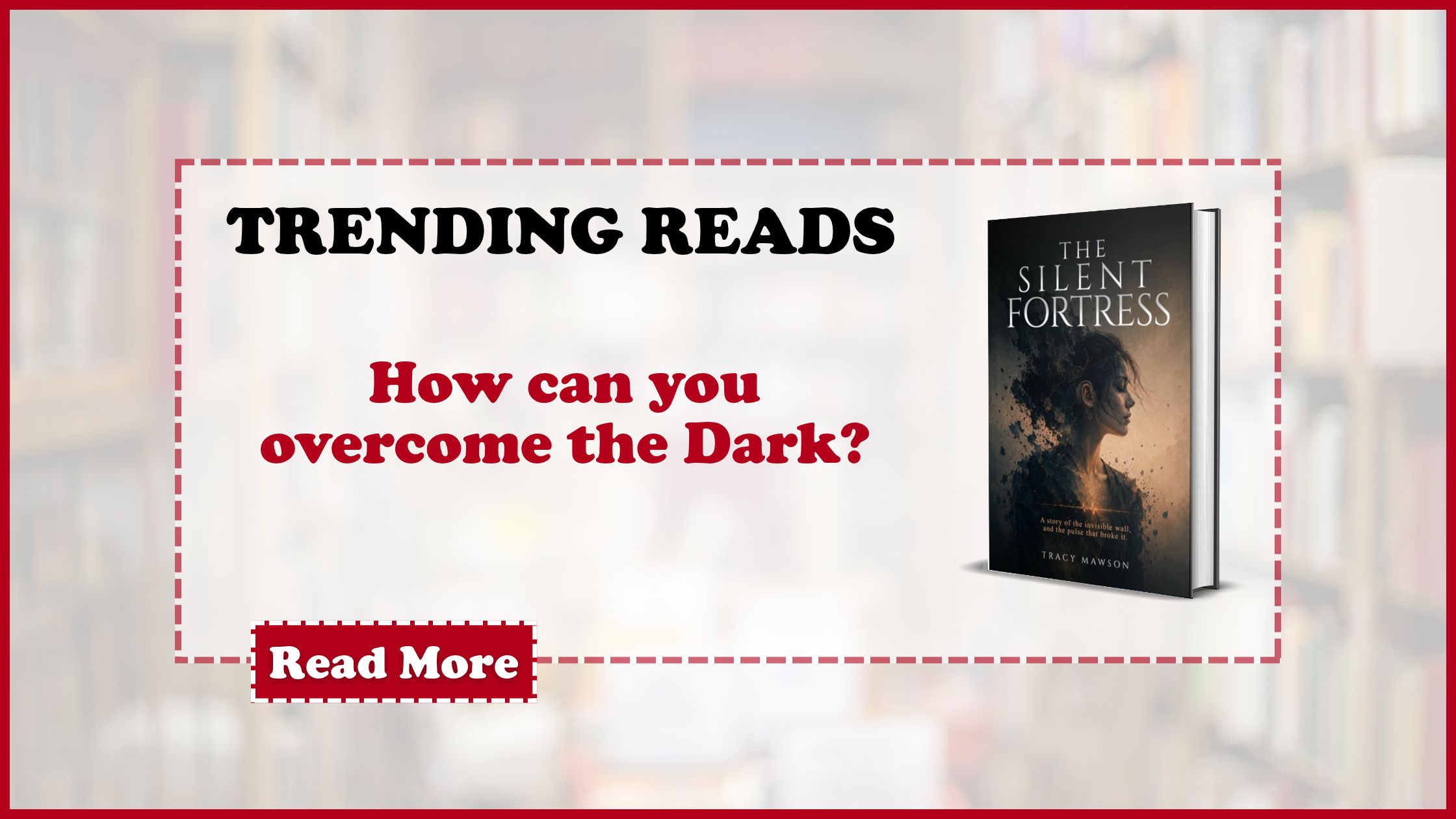
Memoirs like The Silent Fortress remind us that survival is possible, that walls can be climbed, and that a life once defined by silence can still become full of meaning. Tracy’s journey, from a childhood of exclusion to a hard-won peace, offers both company and proof. Seeing someone else name the same struggles and then keep going can make your own path feel less solitary.
Read about her story by purchasing your copy from Amazon: https://www.amazon.co.uk/dp/B0HH4YG4YZ
8. Practise the kind of resilience that includes rest.
True resilience is not endless endurance. It is the ability to keep going and the wisdom to stop when you need to. Tracy’s story shows both: the grit required to survive difficult years and the courage required to finally put the armour down. Rest is not a reward for finishing the hard work. It is part of the work itself.
Darkness does not disappear on command. But it can be walked through only if you will, as Tracy Mawson, the author of The Silent Fortress.
Head to Amazon to purchase your copy: https://www.amazon.co.uk/dp/B0HH4YG4YZ