Most divorced parents want the same thing: for their children to feel loved, secure and protected from the fallout of separation. But good intentions alone do not always make difficult conversations easier. When emotions are high, schedules clash, money becomes a source of tension or children begin testing boundaries between two homes, even caring parents can struggle to know what to say or do.
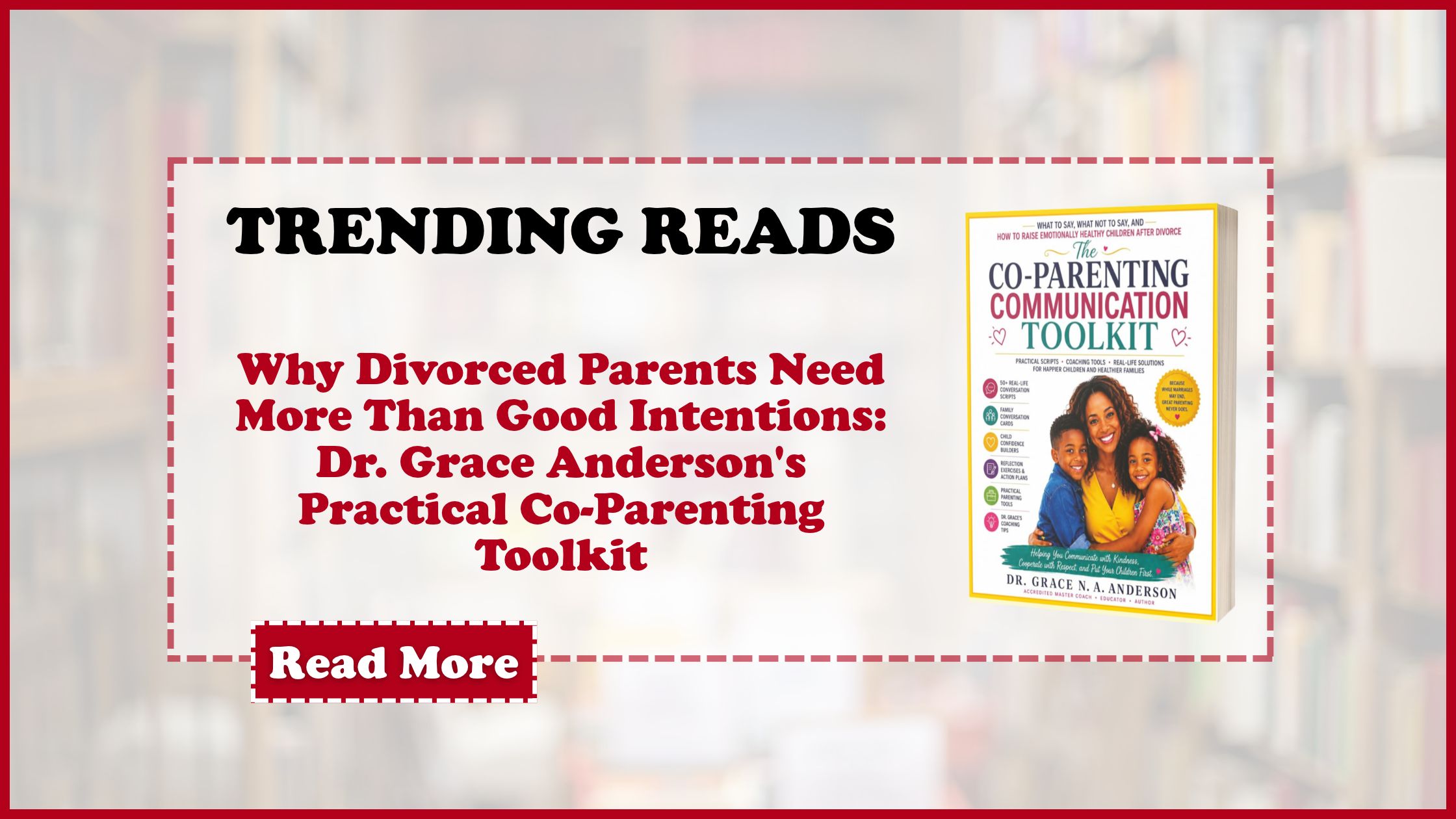
That is where The Co-Parenting Communication Toolkit by Dr. Grace N. A. Anderson stands apart. Rather than offering vague encouragement, the book provides practical strategies designed to help parents handle the real situations that arise after divorce.
Dr. Anderson makes it clear that healthy co-parenting does not require former partners to become close friends. In some families, cooperative parenting is possible. In others, communication may need to remain brief and structured, while high-conflict or unsafe situations may require a very different approach. The central goal is not appearances; it is the child’s wellbeing and safety.
Turning Good Intentions Into Better Communication
One of the most valuable features of the book is its collection of word-for-word communication scripts. Dr. Anderson recognises that parents often know what they want to communicate but have difficulty finding the right language when frustration, hurt or fear takes over. The scripts are designed to help adults respond calmly, reassure children and avoid turning ordinary parenting issues into unnecessary conflict.
The book addresses practical situations ranging from talking to children about divorce and managing peaceful handovers to agreeing on discipline, discussing education, handling money and planning holidays.
For example, Dr. Anderson warns parents against using handover time to discuss financial disputes, legal matters or relationship grievances. Instead, she encourages parents to keep these transitions calm and child-focused, helping children move between homes without feeling responsible for adult tension.
Consistency Without Creating Identical Homes
Another important theme is the difference between consistency and sameness. Children do not need two identical households. What they benefit from are shared values, reasonable boundaries and clear expectations.
Dr. Anderson explores common challenges such as different bedtimes, homework expectations, screen-time rules, household responsibilities and consequences for serious behaviour. She encourages parents to focus less on competing with one another and more on the values they want their children to carry into adulthood.
This practical approach continues throughout the book. Each chapter includes coaching tips, reflection questions and action steps, encouraging parents to examine not only what the other parent is doing wrong, but also their own reactions, habits, communication patterns and opportunities for growth.
A Toolkit That Grows With the Family
The Co-Parenting Communication Toolkit also reaches beyond the early aftermath of divorce. It addresses new partners, step-parents, step-siblings, adolescence, conflict, gangs, drugs, violence, role models, girls’ confidence and safety, faith, values, adulthood, social media and AI.
Dr. Anderson’s message is ultimately hopeful: family life may change, but thoughtful parenting can continue to provide stability, guidance and emotional security.
For divorced parents who want more than good intentions, this book offers something especially useful: a practical framework for turning love and concern into calmer conversations, wiser decisions and healthier family relationships.
Get The Co-Parenting Communication Toolkit by Dr. Grace N. A. Anderson on Amazon: https://www.amazon.com/dp/B0HFFZBN7P