Food has always been more than nourishment. It is memory, identity, culture, and connection. When children learn about food, they are not simply learning what people eat. They are learning how people live, celebrate, care for one another, and express gratitude. That is why food can be such a powerful tool for teaching empathy and kindness, especially in early childhood.
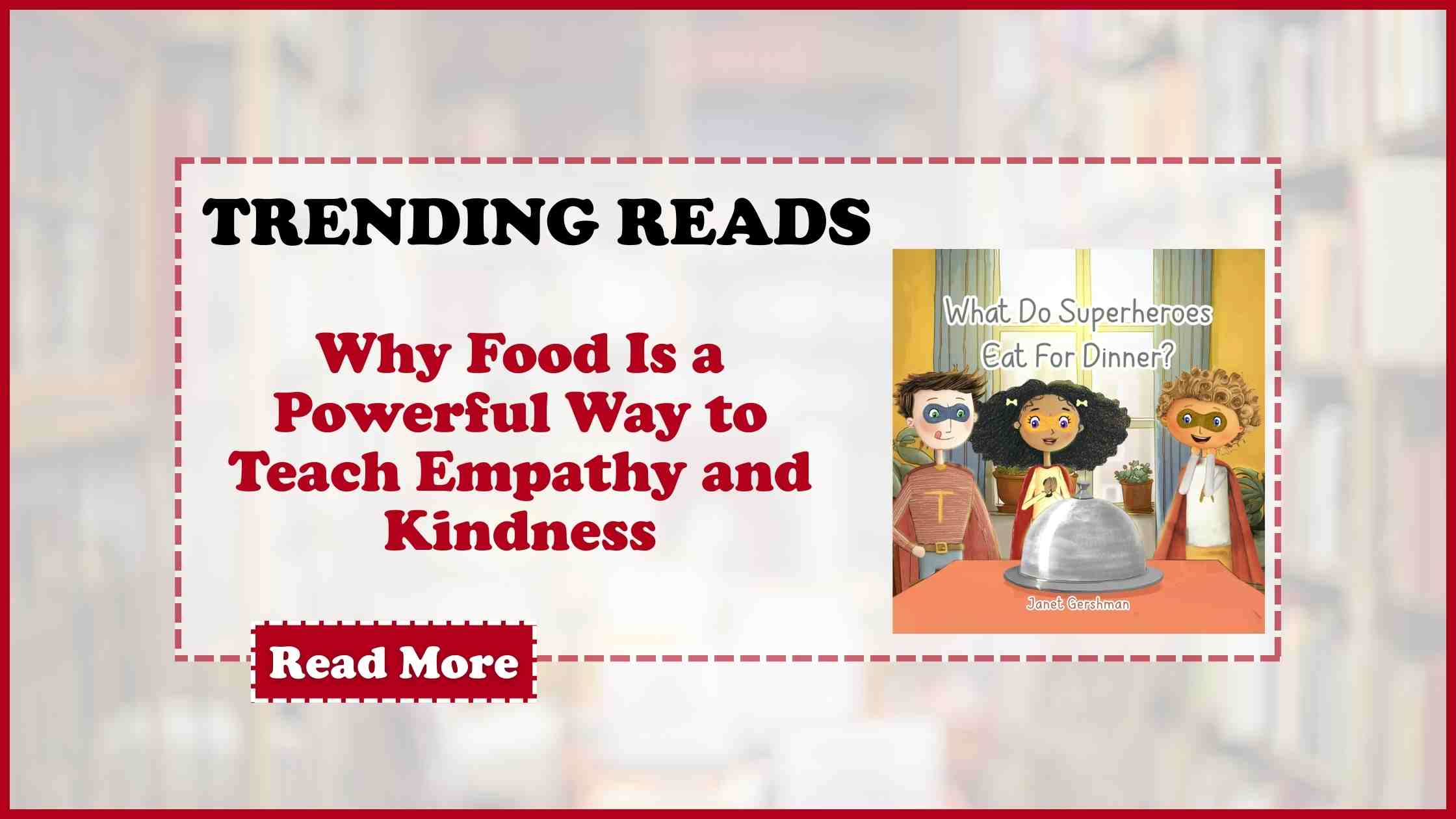
In What Do Superheroes Eat for Dinner? by Janet Gershman, food becomes a medium between action and understanding. The story follows a team of superheroes who travel the world helping others. After completing acts of service in different countries, they experience local meals such as pasta in Italy, dumplings in China, and tacos in Mexico. The structure is simple and playful, yet the message is layered. Helping others leads to shared experiences. Shared experiences lead to appreciation. Appreciation builds empathy.
When children encounter food from different cultures through story, it reduces unfamiliarity. Many young children are hesitant to try new foods because they are unsure or uncomfortable with what they do not recognize. A story softens that barrier. When a superhero they admire enjoys dumplings or tacos, curiosity replaces resistance. The food is no longer strange. It becomes part of an adventure.
This matters because empathy begins with exposure. Children develop understanding when they see that people in other places have traditions, flavors, and customs that are both different and meaningful. Food is tangible. It is something children can see, imagine, and eventually taste. When a child learns that pasta in Italy or dumplings in China are everyday meals for other families, they begin to grasp that the world is larger than their immediate environment. That awareness nurtures respect.
Food also carries emotional significance. In many cultures, offering a meal is a gesture of gratitude or welcome. In the book, meals are also given as a thank you after a kind act. This pairing reinforces a key lesson. Kindness creates connection, and connection is often expressed through sharing food. Children see that helping someone is not transactional. It builds relationships.
There is also a sensory dimension that strengthens empathy. Descriptions of textures, colors, and flavors invite children to imagine what others experience. When they picture soft dumplings or crunchy taco shells, they are engaging in perspective taking. Perspective taking is foundational to empathy. It allows children to mentally step into someone else’s world.
Parents and teachers can extend this lesson beyond the page. After reading a story like What Do Superheroes Eat for Dinner? by Janet Gershman, adults can ask reflective questions. How do you think the old man felt when someone helped him carry his groceries? Why do you think he offered dumplings in return? How would you feel if someone shared their favorite meal with you? These conversations help children connect food with gratitude and generosity.
Food also invites participation. Preparing a simple international dish at home or in the classroom transforms empathy from an abstract idea into an embodied experience. When children taste something new, they are practicing openness. When they learn the story behind a dish, they are practicing understanding.
In a world that can sometimes feel divided, teaching children to appreciate the meals, traditions, and flavors of others builds early foundations of inclusion. Food becomes a starting point for dialogue rather than difference. Through storytelling, especially stories that combine adventure, service, and global cuisine, children learn that kindness travels. It moves from one country to another, from one kitchen to another, and from one heart to another.
Available On Amazon: https://www.amazon.com/dp/B0GPHLSWMK/