When a loved one is diagnosed with cancer, the emotional impact is not limited to the person facing the illness. Family members and close friends are also deeply affected, often experiencing a rollercoaster of emotions as they struggle to support their loved one while grappling with their own fears and anxieties. The diagnosis can change the dynamics of a family, bringing out both strengths and vulnerabilities. For many, it’s a journey of emotional resilience and a test of how to manage personal feelings while offering support.
The initial shock of a cancer diagnosis is often felt by everyone in the family. While the person diagnosed may face their own fear and uncertainty about treatment and recovery, family members experience similar emotions. They may feel helpless, anxious, and uncertain about how best to provide support. As the diagnosis settles in, family members may begin to feel overwhelmed by the sheer number of decisions that need to be made—treatment options, medical appointments, caregiving duties, and the emotional support needed by the person diagnosed.
One of the most challenging aspects for family members is the fear of losing their loved one. This fear can manifest in many ways, from sleepless nights to excessive worry about the future. For partners, children, or parents, the thought of a loved one undergoing surgery, chemotherapy, or radiation can stir up feelings of helplessness and deep emotional pain. These emotions are compounded by the uncertainty of the cancer’s progression and treatment outcomes. In some cases, family members may also experience a sense of guilt, questioning whether they are doing enough to help or support their loved one.
Supporting a loved one through cancer treatment often requires a delicate balance. Family members must learn how to offer practical help, like managing household chores, driving to medical appointments, or assisting with everyday tasks, while also being emotionally available. However, offering emotional support is not always as straightforward as it seems. Family members may not always know the right words to say, and in some cases, they may worry about saying the wrong thing. At times, family members may also feel that they have to “stay strong” for the sake of their loved one, suppressing their own emotions and fears. This can lead to emotional strain, as they bottle up their feelings in order to be the pillar of support their loved one needs.
Children in the family often have a unique experience when it comes to coping with a cancer diagnosis. They may struggle to understand the illness and its impact, leading to confusion, fear, or even anger. Parents must find ways to explain the diagnosis and treatment in age-appropriate terms while also addressing the emotional needs of their children. For many children, the biggest fear is the potential loss of a parent or loved one, and they may not have the language to express these feelings. It’s important for family members to create an environment where children feel safe to ask questions and express their concerns.
Siblings of the person diagnosed with cancer may also experience complex emotions. They may feel neglected or sidelined as much of the attention and care is focused on the person undergoing treatment. This can create a sense of isolation or resentment. On the other hand, siblings may also feel the urge to step up and take on additional caregiving responsibilities, sometimes putting their own needs aside in the process. It’s crucial for families to recognize that every member, not just the person diagnosed, is undergoing an emotional journey.
Through all of these challenges, one thing remains clear family is an essential part of the cancer journey. While it’s easy to focus on the person diagnosed, the emotional well-being of the entire family must be acknowledged. Offering support to family members, encouraging open communication, and seeking professional help when needed can make all the difference in navigating the emotional turmoil that cancer brings.
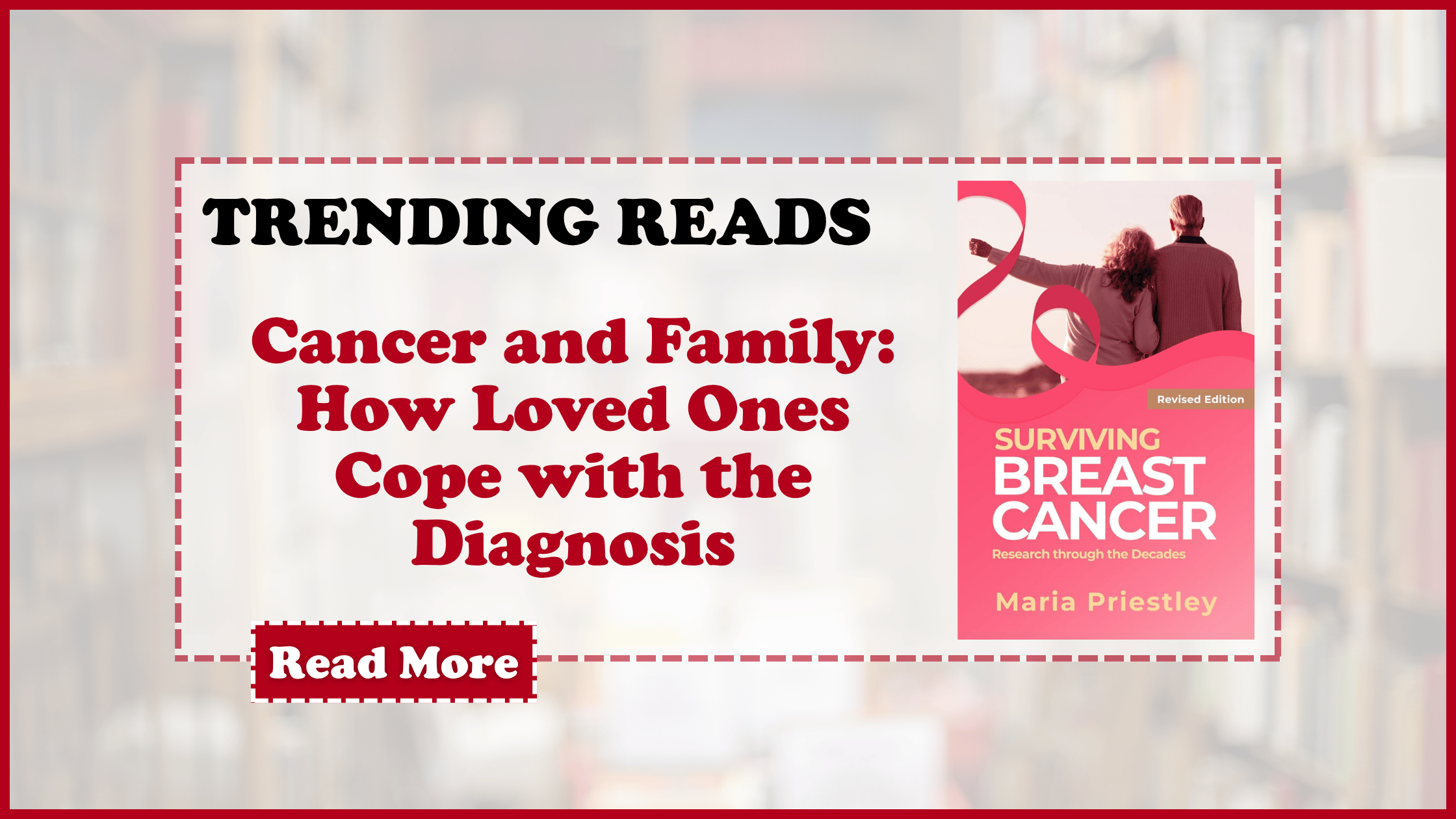
Surviving Breast Cancer: Research through the Decades by Maria Priestley offers an insightful perspective on this emotional journey. The book not only explores the challenges faced by those diagnosed with breast cancer but also highlights the experiences of families and loved ones. Through powerful stories and reflections, it provides a deeper understanding of the emotional toll cancer takes on everyone involved. Whether you are navigating this journey yourself or supporting a loved one, this book serves as a powerful resource for finding strength and resilience in the face of uncertainty.
Read this book, available on Amazon: https://www.amazon.com/dp/1971228001/.