Beirut is a city that remembers everything. Its streets carry traces of ancient traders, foreign empires, civil war, migration, music, faith, and family. Along the Mediterranean coast, modern cafés stand near old stone buildings, while fishing boats return each morning beneath cranes and towers. Beauty and damage exist side by side.
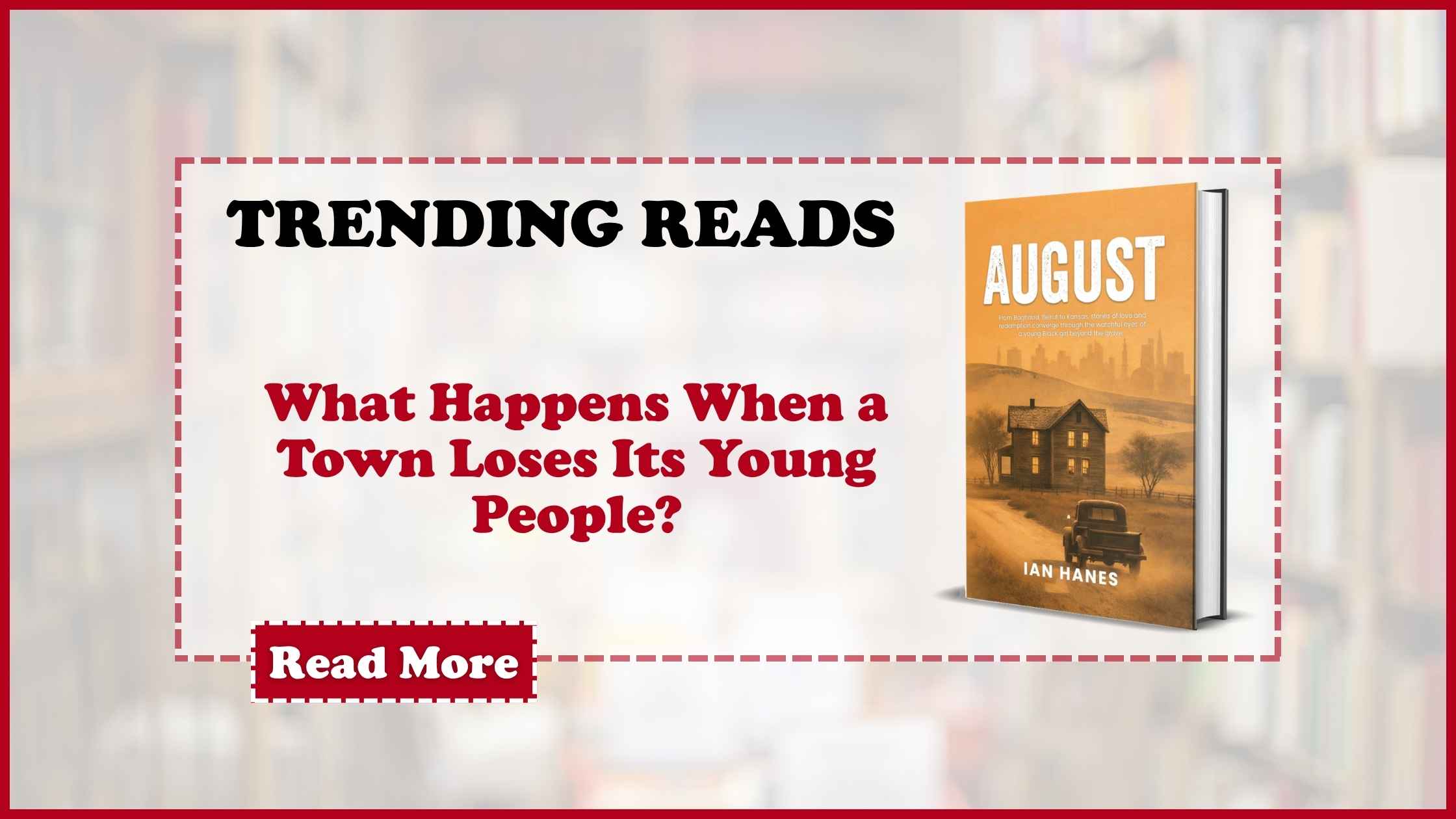
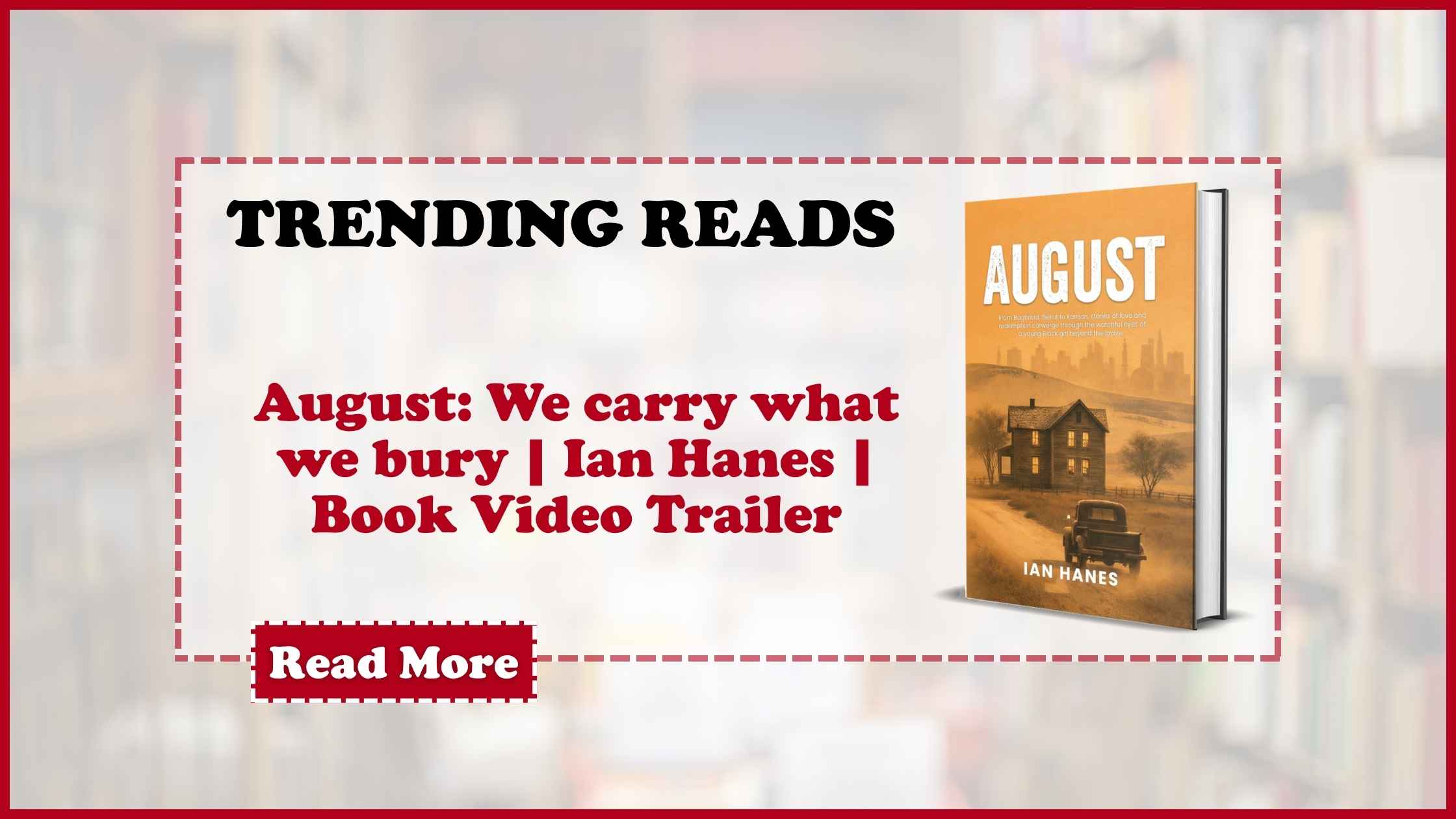
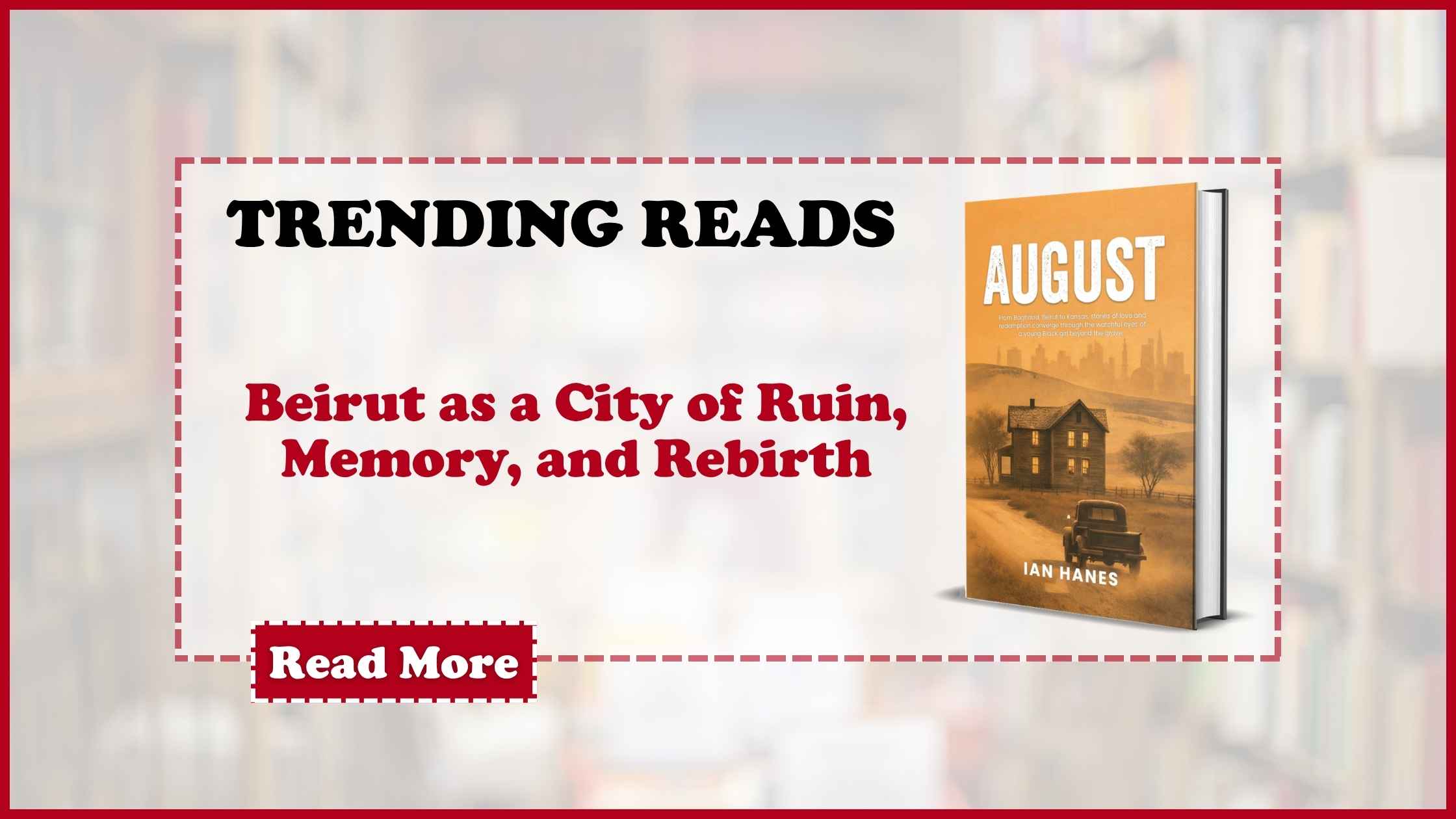
In August: We Carry What We Bury, Ian Hanes presents Beirut as more than a setting. The city becomes a living presence, shaped by the people who continue loving, working, cooking, trading, and raising families despite the weight of history.
Layla Haddad knows what it means to build a life from loss. Born in Baghdad, she arrives in Lebanon after fleeing danger with her mother. Beirut offers shelter, but belonging does not come easily. She grows up carrying memories of Iraq, her missing father, uncertain legal status, and the fear that safety can disappear without warning.
As an adult, Layla creates Café Layali, a welcoming place filled with cardamom coffee, warm bread, music, photographs, and conversation. Locals, travellers, and strangers enter as customers but leave feeling recognised. Through the café, Layla builds the home she once needed.
Her husband, Bahri, is equally tied to the city. A fisherman and market trader, he understands the sea as both provider and threat. He brings home the finest catch, works before sunrise, and treasures the family waiting for him. His life reflects Beirut itself, practical, affectionate, weathered, and always close to danger.
That danger becomes devastating when neglected ammonium nitrate stored at the port explodes. The blast tears through homes, businesses, streets, and families. Windows shatter. Buildings collapse. Lives change within seconds. The city is wounded once again, not by fate alone, but by warnings ignored and responsibility abandoned.
Yet destruction is not the final word.
Neighbours arrive with tools, food, music, and helping hands. Damaged rooms are cleared. Broken windows are covered. Coffee is poured again. Laughter returns slowly, carrying grief within it.
August does not present rebirth as forgetting. Beirut rebuilds because it remembers. Its people carry those they have lost while making room for those who remain.
From the Kansas prairie to the Mediterranean coast, August tells a moving story of love, injustice, migration, family, and survival. Beirut stands at its heart as proof that a place may be broken many times and still refuse to disappear.
Start reading today and discover what you’ve been carrying. https://www.amazon.com/dp/B0H3M2GCJJ/