A town begins to change long before its buildings fall apart.
The first sign may be a school with fewer children. Then a shop closes because there are not enough customers. A sports team struggles to find players. Families leave in search of work, education, and opportunity. Those who remain grow older, while the town grows quieter.
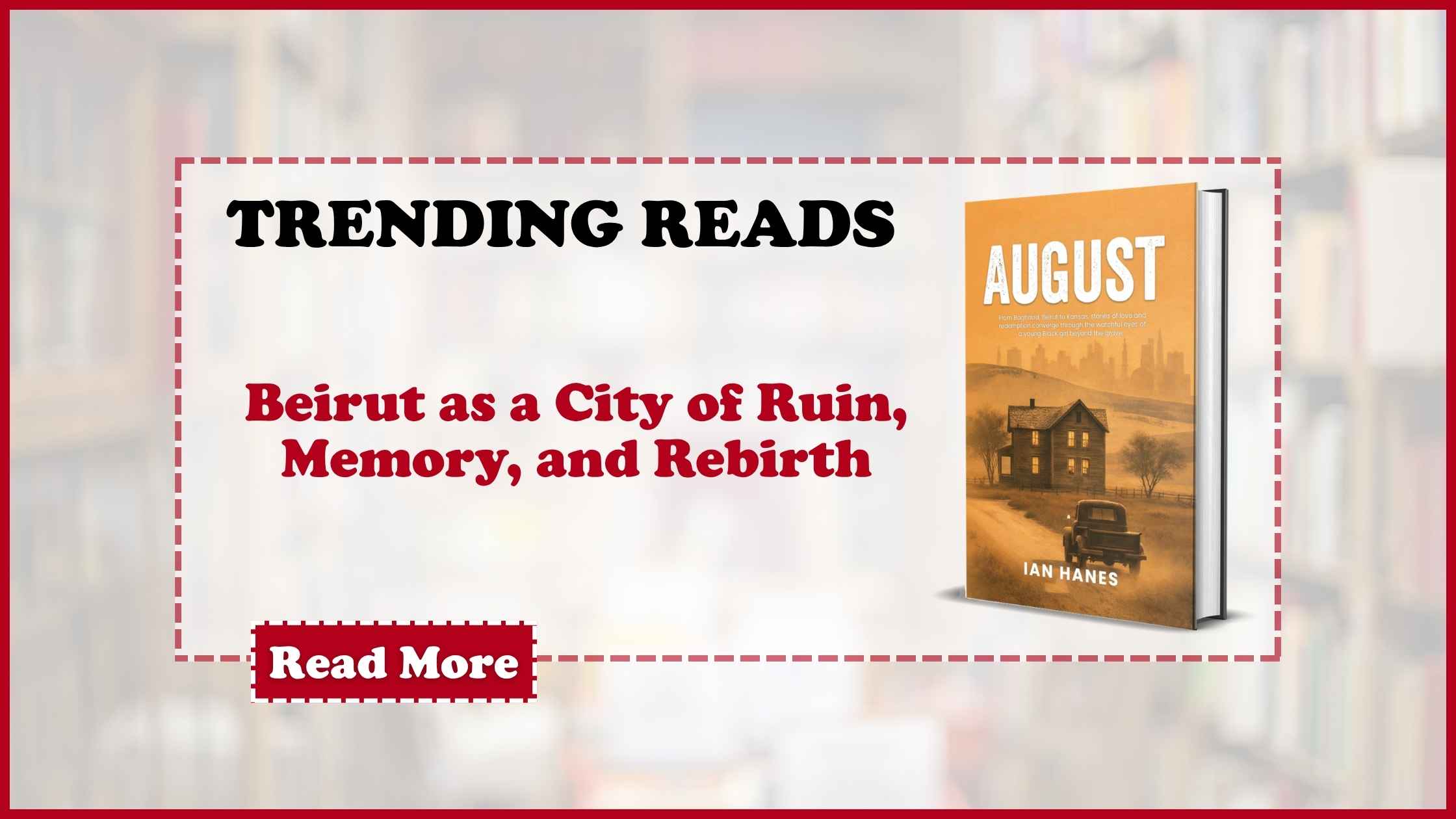
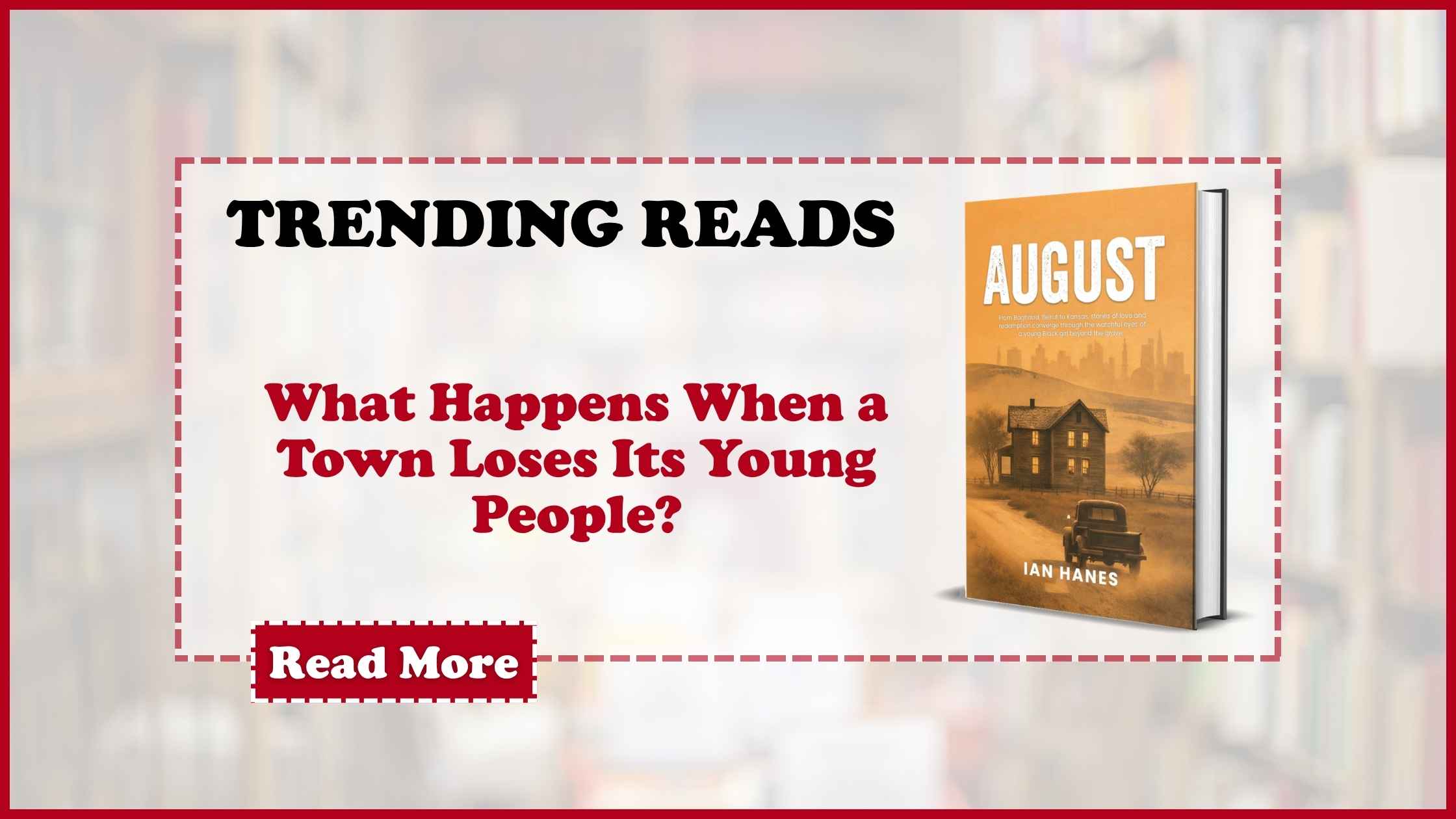
In August: We Carry What We Bury, Ian Hanes explores this decline through Lebanon, Kansas. Once sustained by family farms, local businesses, schools, churches, and community events, the town gradually loses the generation expected to carry it forward.
Young people do not always leave because they dislike where they were raised. Many leave because staying offers too few choices. Colleges, jobs, healthcare, entertainment, and professional opportunities are often found elsewhere. Departure becomes practical, even when it is painful.
The effect reaches far beyond population numbers.
When young families move away, schools lose pupils. When schools close, towns lose one of their strongest centres of identity. Teachers leave. Sports programmes end. School plays, graduations, and crowded gymnasiums become memories rather than annual traditions.
Local businesses suffer next. Fewer residents mean fewer customers, fewer employees, and less money circulating within the community. Cafés, hardware stores, markets, and family run services disappear one by one. Each closure makes daily life less convenient and gives the next person another reason to leave.
Farming changes too. In the novel, smaller farms are absorbed by larger companies. The land remains productive, but fewer families live on it. Fields become larger while communities become smaller.
August Harper chooses to stay. He works the family farm and remains connected to the place that formed him. His loyalty gives the novel much of its emotional weight, but it also reveals the loneliness of being left behind.
He remembers Lebanon when the basketball gym was full and the town celebrated together. Years later, the school is closed, the streets are quieter, and many familiar faces are gone. The past remains vivid because the present offers fewer people with whom to share it.
A town that loses its young people also risks losing its future storytellers. Family histories, local customs, regional knowledge, and community memories may vanish when no one remains to inherit them.
August captures the sadness of that loss without pretending small town life was ever perfect. Lebanon carries prejudice, gossip, hardship, and injustice, but it also holds loyalty, shared labour, pride, and belonging.
When a town loses its young people, it does not disappear immediately. It fades slowly, one classroom, one farm, one family, and one untold story at a time.
Start reading today and discover what you’ve been carrying. https://www.amazon.com/dp/B0H3M2GCJJ/