In nineteenth-century Appalachia, there was no hospital around the corner, no urgent care clinic and no pharmacy stocked with modern medicine.
When someone was injured, fell ill or went into labor, communities often depended on people who had learned healing through experience, observation, family knowledge and tradition.
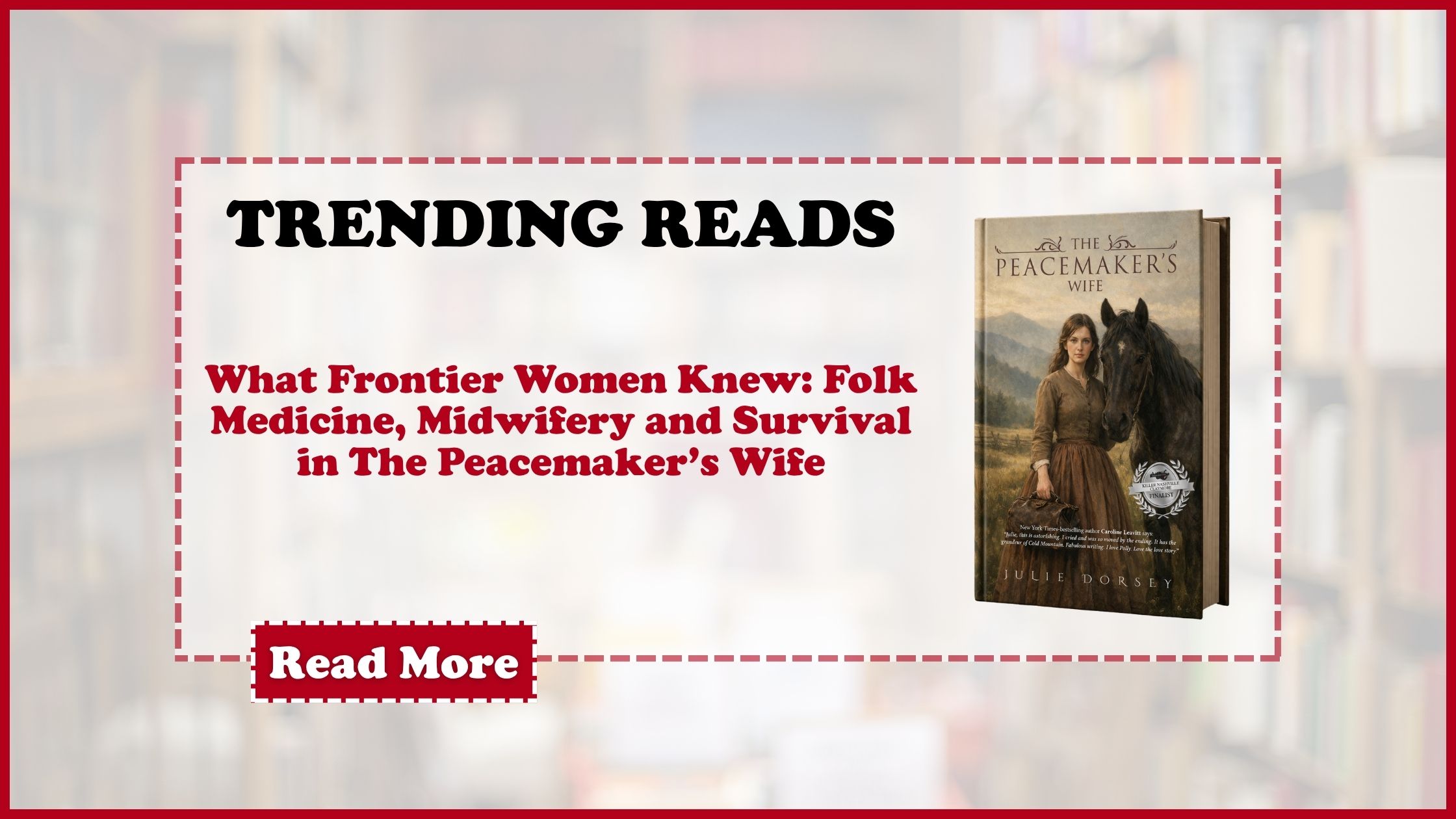
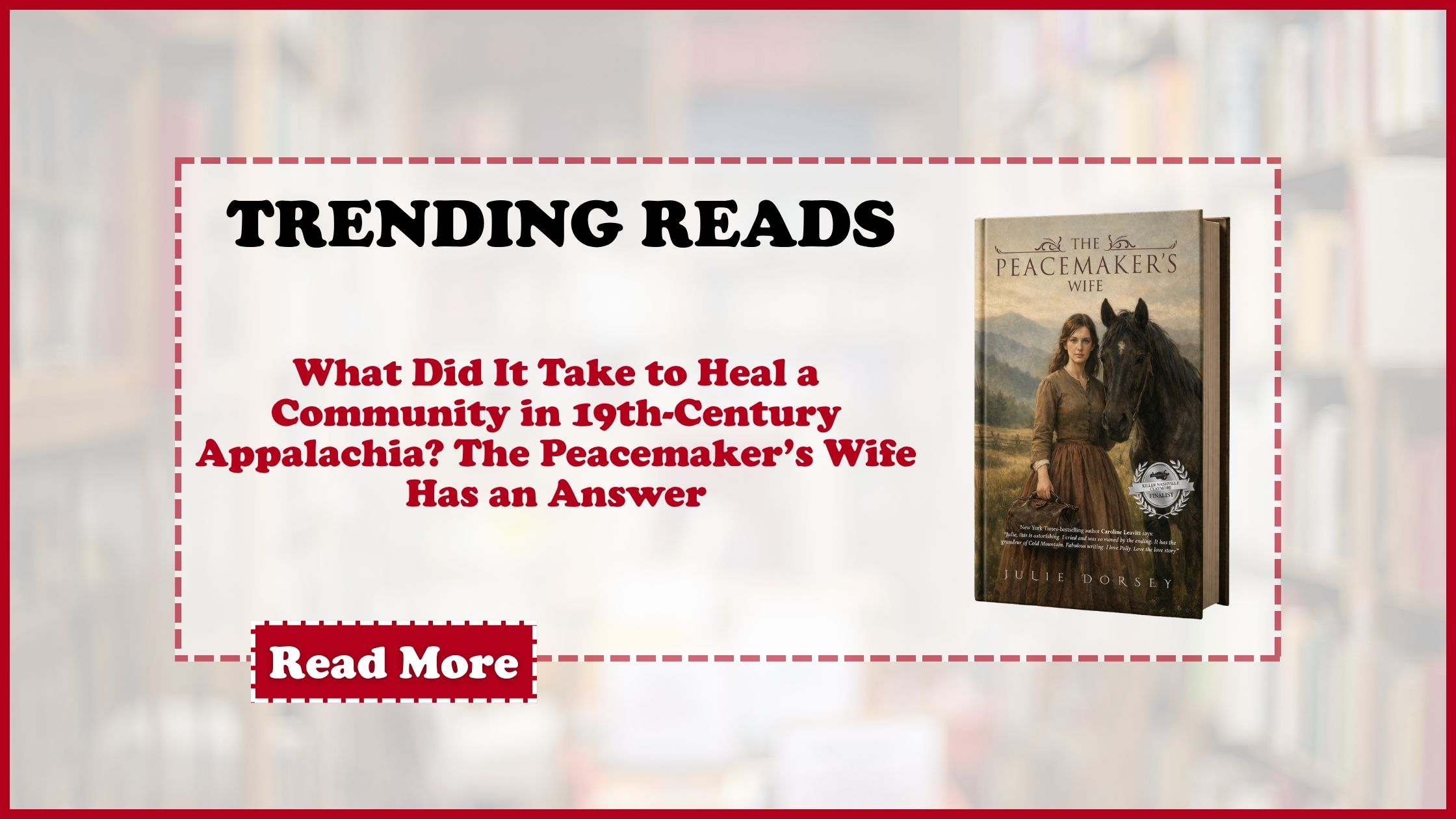
Julie Dorsey brings that world vividly to life in The Peacemaker’s Wife.
At the center of the novel is Polly Justice, a young woman determined to become more than the wife of Blue Ridge’s respected “Peacemaker.” Polly feels called to heal and that calling pushes her into a demanding world where every decision can carry serious consequences.
Her education begins with Nan Clark, the experienced “granny woman” of Blue Ridge. Nan knows how to use herbs, roots, salves, tinctures and practical remedies to care for neighbors who cannot simply summon a formally trained physician. Polly studies closely under her, learning not only what to use but how to recognize illness, treat wounds and help women through childbirth.
The training is deeply practical.
Polly learns about plants such as sassafras, ginseng, goldenseal and horsetail grass. She watches wounds being cleaned, stitched, dressed and monitored. She sees how pain is managed with substances such as laudanum and how traditional remedies are combined with careful observation.
Most importantly, she learns that healing requires judgment.
A remedy that helps one person can harm another. A dosage that relieves pain can become dangerous if mishandled. A difficult birth may require quick decisions with no time to seek outside help.
That reality gives Polly’s work enormous weight.
Her determination is rooted partly in guilt. As a girl, she was present when her baby sister Lucindy died during childbirth and Polly carries the belief that her own lack of knowledge contributed to the loss. That memory becomes one of the forces driving her to learn everything she can.
She refuses to remain helpless again.
As Polly grows more capable, the people of Blue Ridge begin relying on her. She treats cuts, broken bones, fevers, stomach troubles and other ailments. She assists with dangerous births and gradually earns the identity she has chosen for herself: Doctor Polly.
But Julie Dorsey does not romanticize this kind of medicine.
Healing in The Peacemaker’s Wife is physically exhausting, emotionally difficult and sometimes uncertain. Polly works without the diagnostic tools or scientific advantages modern readers take for granted. Her knowledge is valuable, but it exists in a world where mistakes can be fatal and where even the most skilled healer cannot save everyone.
That tension makes Polly’s journey especially compelling.
She is learning to care for an entire community while facing trouble inside her own home. Her husband John’s drinking and violence threaten her safety, a murderer is moving through Blue Ridge and the approaching Civil War brings even greater uncertainty.
Still, people need babies delivered.
Wounds still need tending.
The sick still need someone willing to show up.
That may be the clearest answer The Peacemaker’s Wife offers about what it took to heal an Appalachian community: knowledge mattered, but so did courage, endurance, compassion and the willingness to accept responsibility when no one else could.
Through Doctor Polly, Julie Dorsey gives readers a fascinating look at a woman whose healing work becomes more than a profession.
It becomes her purpose.