How do you explain immigration to a child without reducing it to dates, borders or complicated adult decisions?
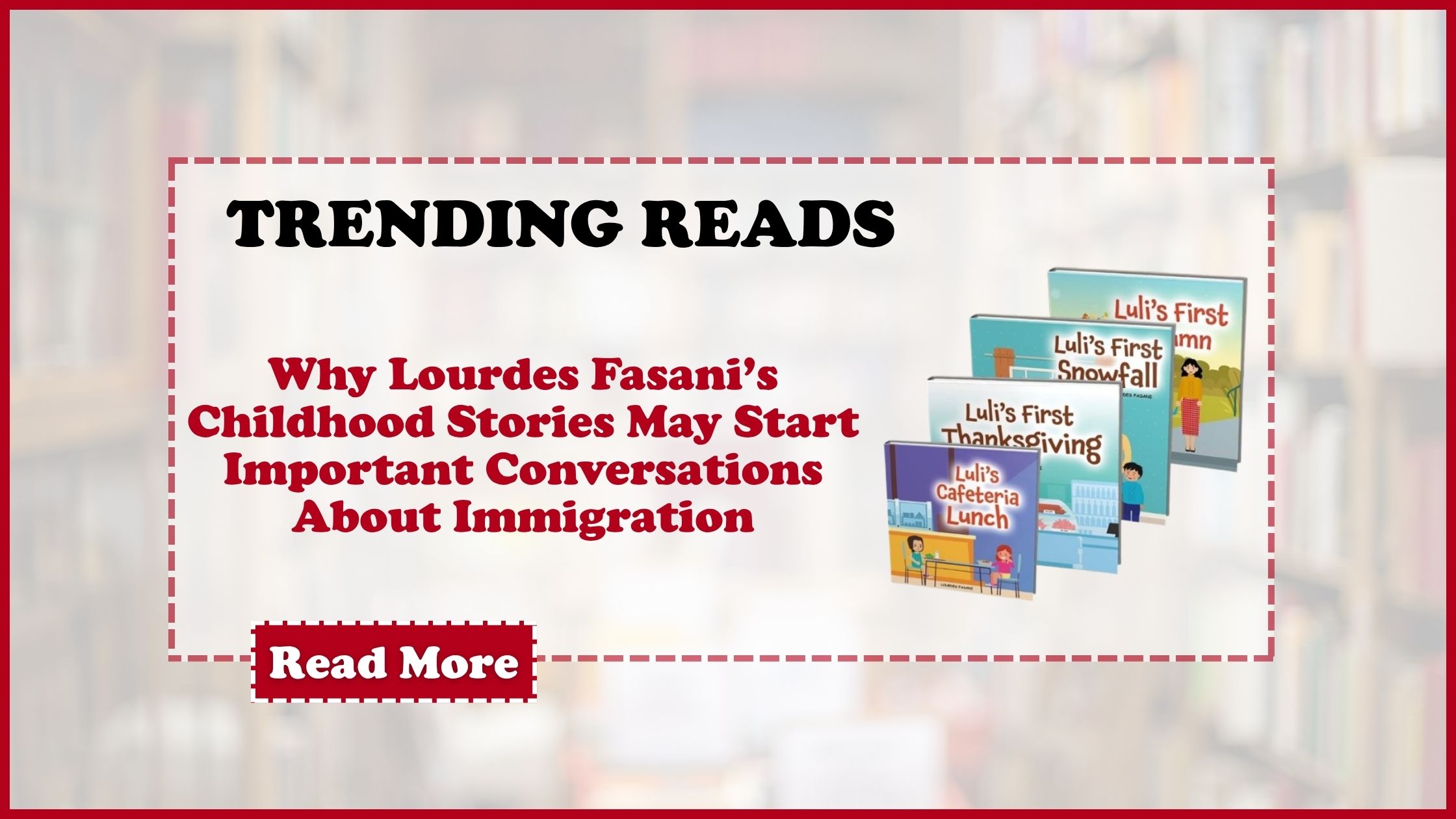
Lourdes Fasani takes a more personal approach. In Luli’s First Autumn, Luli’s First Thanksgiving, Luli’s Cafeteria Lunch, Luli’s Sad Farewell and Luli’s First Snowfall, she presents immigration through the everyday experiences of eight-year-old Luli, a Cuban girl adjusting to life in the United States. Because the stories focus on school, food, family, holidays, weather and homesickness, they can help make a large topic feel understandable to young readers.
That is especially true in Luli’s Sad Farewell. Before Luli can discover anything new, she has to leave behind what she already knows. She says goodbye to family, parts with treasured belongings and faces an emotional departure from Cuba. At the airport, she is told she cannot take her favorite doll, while her mother must leave family photographs behind. The story later moves toward hope when Luli reaches Chicago and is finally reunited with her father after more than two years apart.
For children, moments like these can open questions naturally. What would it feel like to leave your grandparents? What would you miss most? How would it feel to arrive somewhere you did not yet understand?
The rest of the books show that immigration does not end when the journey is over.
In Luli’s Cafeteria Lunch, fitting in becomes a challenge at the lunch table. Luli is unfamiliar with cold milk and broccoli and even eating with classmates feels different from the routines she knew in Cuba. Her mother helps by sending cocoa and garlic powder so Luli can make the food feel more familiar. That simple scene can lead to conversations about cultural differences, patience and why unfamiliar customs may feel uncomfortable at first.
Luli’s First Autumn offers another opportunity for discussion. Luli encounters colorful fall leaves and Halloween traditions she had never experienced in Cuba. Pumpkins, costumes and the school parade are all new to her. Young readers can begin thinking about how ordinary traditions may feel surprising to someone from another country.
In Luli’s First Thanksgiving, the conversation shifts toward cultural exchange. Luli’s family shares the holiday with American neighbors, bringing Cuban pork roast, congrí, yuca, plantains and flan to a table that also includes turkey and pumpkin pie. The scene offers a warm example of how cultures can meet without one replacing the other.
Then Luli’s First Snowfall shows how even weather can become part of the immigrant experience. Luli looks outside and thinks the snowy yard has been covered in sugar. Her sense of wonder makes the unfamiliar approachable.
What makes Lourdes Fasani’s books useful for these conversations is their child-centered perspective. They do not ask young readers to begin with complicated explanations. They begin with feelings children already understand: missing home, being new, feeling confused, wanting to belong and getting excited about new experiences.
For parents, teachers and caregivers, the Luli books can become gentle starting points for discussing immigration, cultural identity, empathy, resilience and welcome.
Sometimes, the most important conversations begin with a simple question: “How do you think Luli felt?”
Read the book on Amazon: https://www.amazon.com/stores/author/B0FVGJBMBR/allbooks