
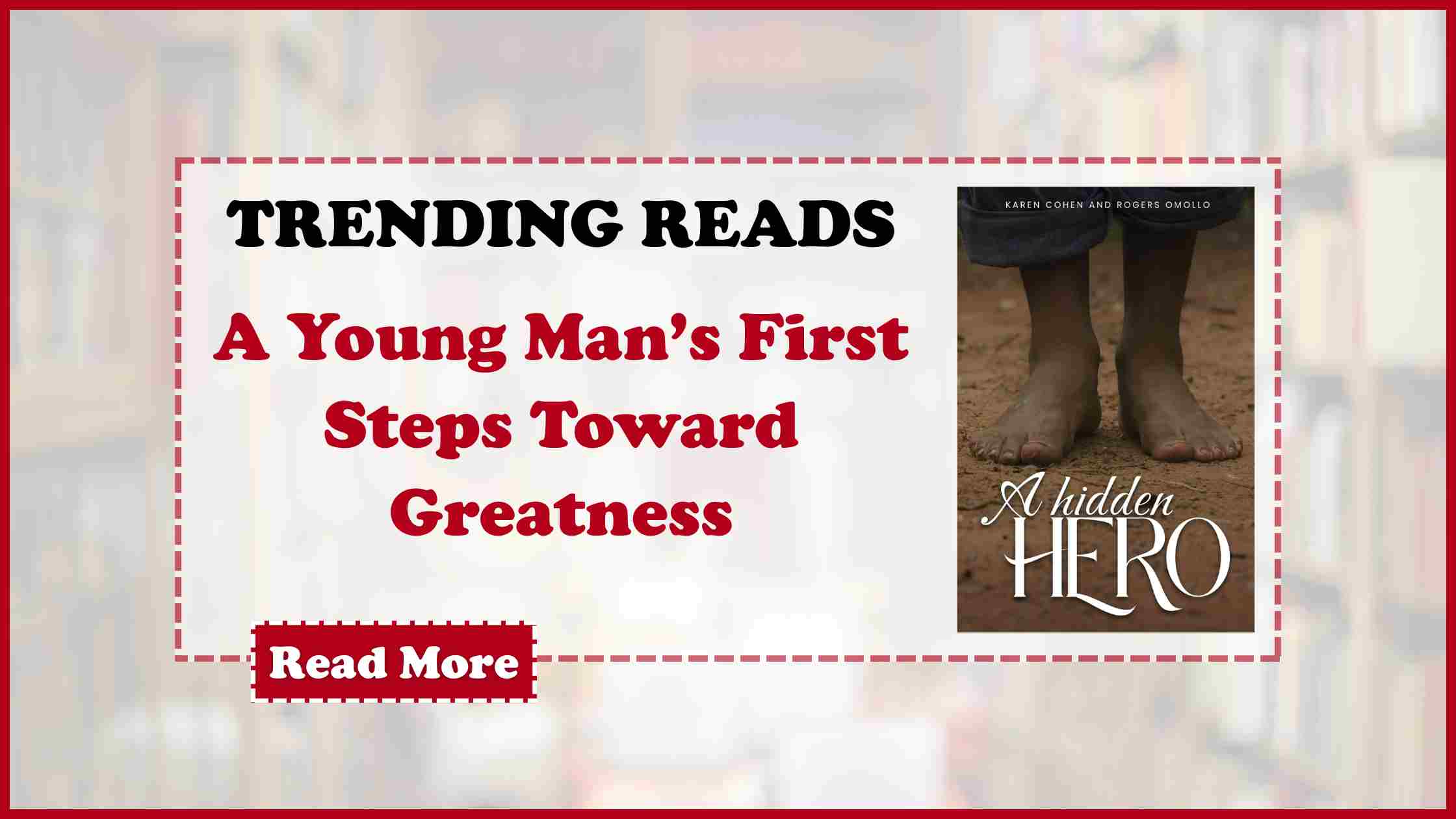
In a world that often glamorizes instant success and overnight fame, A Hidden Hero by Rogers Omollo brings readers back to the essence of true growth—earned through effort, persistence, and humility. Among the many deeply moving moments in this memoir, one chapter stands out as a foundation for the values that carried Rogers through life: his early labor in the rice fields.
To the outside world, a rice field might appear as nothing more than rows of crops swaying under a hot sun. But for Rogers, this was more than a workplace—it was his first classroom. It was here, with his feet sunken into the moist earth and his stomach often empty, that he learned life’s most vital lessons. This patch of land became a place of sacred transformation, where a young boy was shaped into a determined man.
At an age when most children are chasing toys or daydreaming in schoolrooms, Rogers was chasing birds away from rice crops at dawn. His first task—scaring away feathered intruders—seems simple, but the reality behind it is anything but. It meant rising before the sun, battling fatigue, skipping meals, and working long into the evening—all for a monthly wage of just $7.
But to young Rogers, that $7 was priceless. It wasn’t merely currency—it was dignity. It was the first time he felt a tangible sense of contribution to his family’s survival. That small sum helped bring home food, eased the worry lines on his grandmother’s face, and gave him pride. In his words, it became a symbol of responsibility—proof that even as a boy, he could stand tall in the face of poverty.
More than a tale of hardship, this moment in the memoir becomes a call to every young person reading it: Begin early. Work hard. Build your values from the ground up.
In today’s society, hard work is often dismissed or delayed. Many young people are encouraged to wait for ideal circumstances—perfect resources, support systems, or luck. But A Hidden Hero gently yet powerfully refutes that idea. Rogers didn’t wait. He couldn’t afford to. And so, he stepped into the rice fields and began planting seeds—not only of rice, but of grit, humility, endurance, and a dream for a better tomorrow.
That’s what makes this memoir an invaluable resource for today’s youth. It teaches them that hard work is not something to fear or postpone—it’s something to embrace. It doesn’t just build income—it builds identity.
The rice fields did not break Rogers. They built him.
For every student, every dreamer, every struggling youth wondering if their current pain or effort is worth anything, this story is a resounding YES. The lessons learned through hardship are often the ones that stay with us longest and carry us the farthest.
So let the rice fields be a metaphor. Whatever your “rice field” is—be it studies, part-time jobs, household responsibilities, or emotional battles—step into it with the same courage Rogers did. Begin early. Stay humble. Work hard. And one day, like Rogers, you’ll look back and realize that it wasn’t just a struggle—it was your first step into greatness.


