The workplace is evolving at an unprecedented rate, and a key driver of this transformation is the integration of intelligent systems. As these systems increasingly shape how decisions are made and how work is executed, the concept of worker autonomy is being tested. While technology has the power to streamline operations, improve efficiency, and reduce human error, it also raises significant questions about how it impacts the agency of workers. Understanding the delicate balance between empowerment and control is essential to navigating the future of work.
In many industries, intelligent systems are already making key decisions that were once the responsibility of humans. Whether it’s managing schedules, allocating resources, or evaluating performance, automated systems are taking on an increasing role in the decision-making process. While this can lead to more accurate and data-driven choices, it also risks diminishing the autonomy of employees who may feel that their judgment is no longer valued or necessary.
This shift can create a sense of disconnection, as employees are required to adapt to a system where human insight is often secondary to algorithmic outputs. The more decisions are automated, the more workers may feel like cogs in a machine, rather than empowered contributors with the authority to influence their work environment. This loss of autonomy can lead to disengagement, reduced morale, and even burnout.
However, when implemented thoughtfully, intelligent systems can enhance worker autonomy rather than diminish it. By automating repetitive tasks, workers can be freed up to focus on higher-value activities that require creativity, judgment, and emotional intelligence. For example, in healthcare, intelligent systems can handle administrative tasks, allowing medical professionals to spend more time with patients and make more personalized decisions. In creative fields, automated systems can help manage logistics or data analysis, leaving employees with more time to focus on the strategic and innovative aspects of their work.
The key to ensuring that automation empowers rather than constrains employees is transparency and involvement. Workers should be educated about how these systems work and how they fit into the larger picture of the workplace. When employees understand the purpose and function of intelligent systems, they are more likely to feel that they are working alongside technology, rather than being controlled by it.
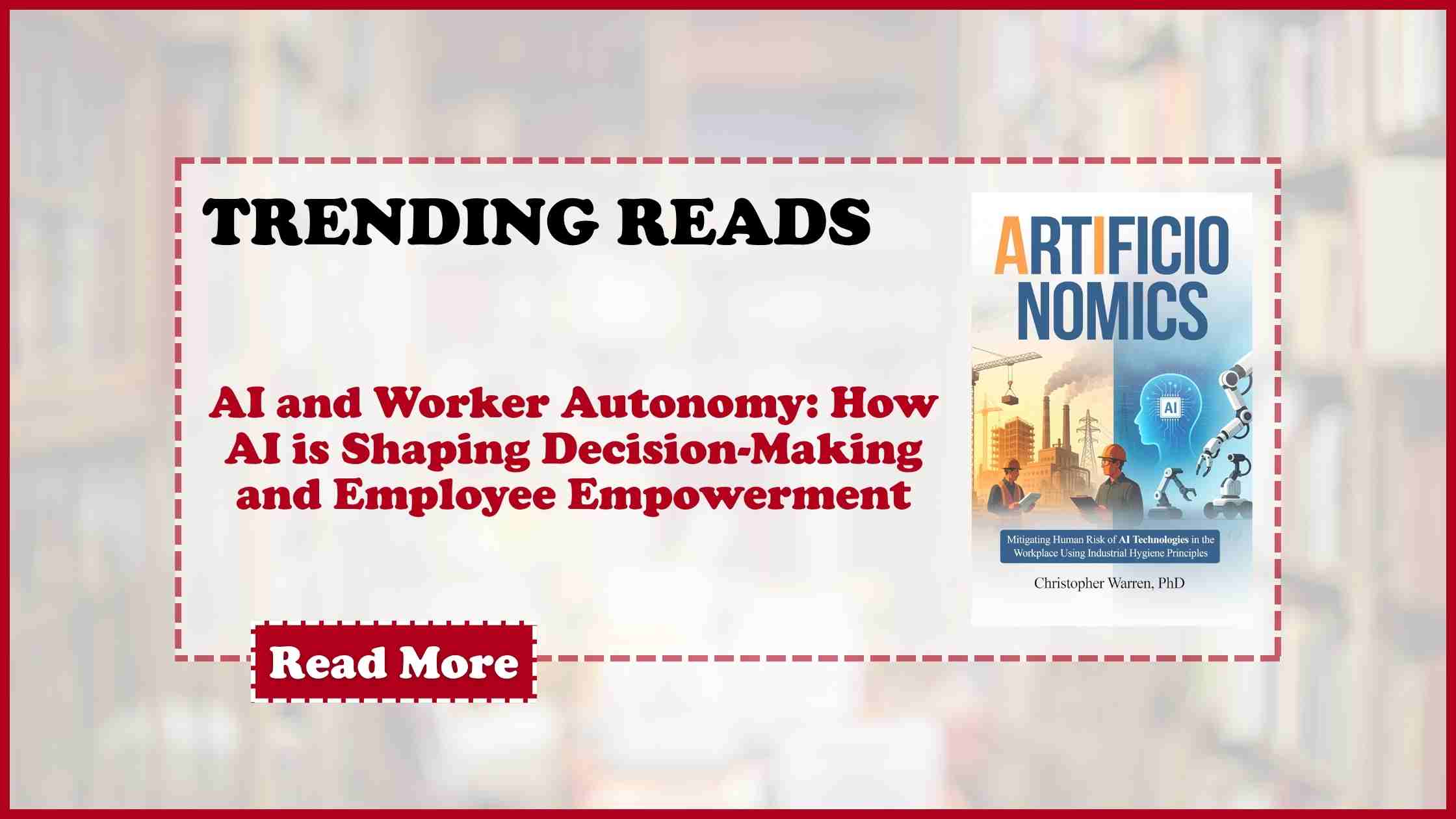
In “Mitigating Human Risk of AI Technologies in the Workplace,” Dr. Christopher Warren explores the impact of intelligent systems on worker autonomy and offers strategies for fostering a collaborative relationship between humans and machines. The book outlines how businesses can integrate technology in a way that preserves and even enhances the decision-making power of employees. By combining ethical frameworks with practical solutions, this book offers a roadmap for organizations seeking to empower their workforce while leveraging the benefits of intelligent systems.
The future of work is not about choosing between humans and machines, but about creating environments where both can coexist and thrive. With the right balance, technology can be a tool that supports workers, enhances their autonomy, and enables them to achieve greater success in their roles. This human-centered approach to technology is the key to unlocking the full potential of both employees and the systems they interact with.
Get your copy now. https://www.amazon.com/dp/B0GFY4RL6B