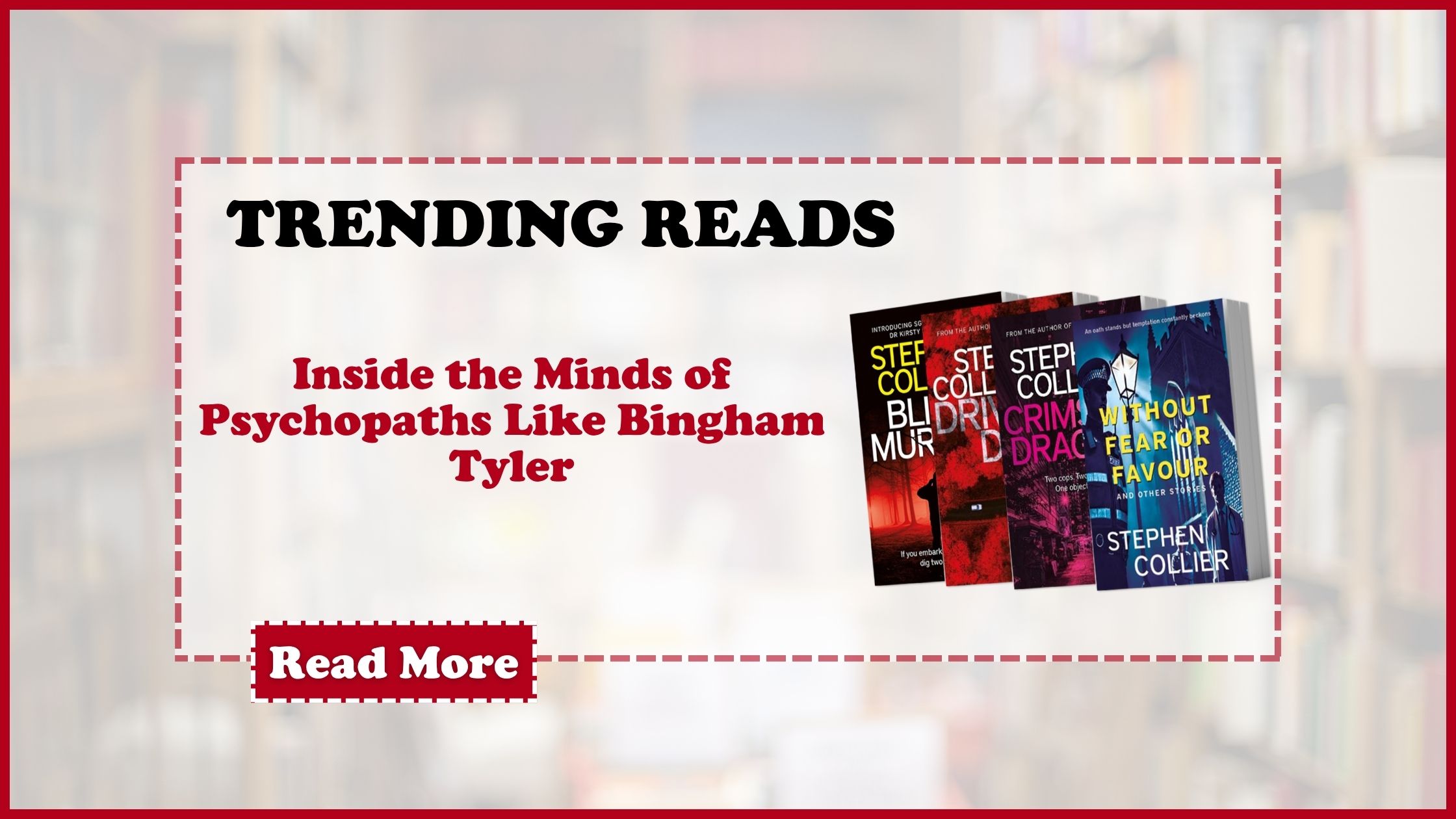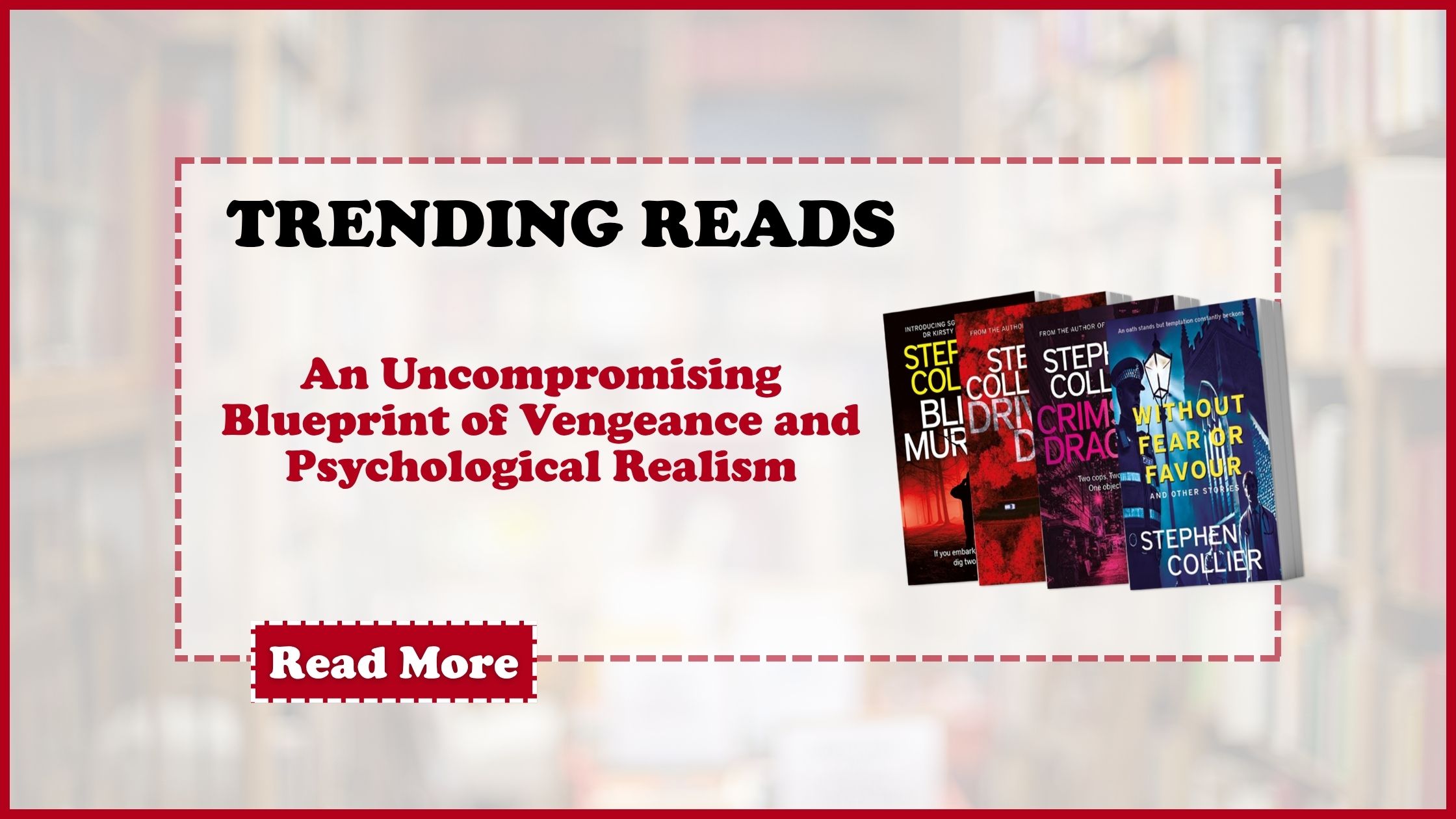
The crowded landscape of modern police procedurals often suffers from a lack of genuine consequence. Detectives frequently brush off horrific violence with a witty remark, and killers operate with theatrical, cinematic flair rather than genuine psychological depth. Stephen Collier’s Blind Murder completely shatters these comfortable conventions. The book delivers a gritty, meticulously paced crime thriller that forces the reader to confront the real, raw human cost of long-fused malice. From its stark opening chapters, the novel establishes itself not as a glossy Hollywood game of cat-and-mouse but as a deeply grounded, authentic exploration of trauma, systemic failure, and the terrifying architecture of a fractured mind.
The narrative engine of Blind Murder is ignited by a modern-day crime scene that unearths a cryptic, decades-old reference number, serves as a bridge to an eighteen-year-old cold case, and drags long-buried secrets kicking and screaming into the light. At the center of this psychological storm is Bingham Tyler, a volatile and terrifyingly organized predator whose malice was forged in the cold, transactional realities of the foster care system. Collier treats Tyler not as a cartoonish villain but as a chillingly realistic study in antisocial pathology. The author employs a brilliant literary technique by allowing the reader access to Tyler’s internal dialogue, where he actively debates with a fractured “voice of reason” that rationalizes his horrific acts. He genuinely believes he is the righteous hand of retribution, settling a score against a world that abandoned him.
Matching this terrifying threat are Detective Inspector Jim Kingsfield and Traffic Sergeant Jake Jordan. What sets Collier’s protagonists apart is their striking vulnerability. These are not infallible superheroes; they are exhausted professionals operating under a suffocating cloud of hyper-vigilance. The book excels in its portrayal of domestic realism, shifting focus away from the adrenaline of the hunt to examine the heavy toll of duty on family life. We see the quiet tragedy of Jordan’s marriage, strained by the erratic nature of police work and the silent, lingering grief of childlessness. Similarly, Kingsfield’s marriage to Kirsty, the forensic pathologist assigned to his murder scenes, provides a fascinating, darkly humorous boundary between their professional and private lives.
Collier’s background ensures that every sensory detail is presented with care. Be it the distinct, lingering smell of human decomposition on the De Senlis Estate or the grid searches and administrative frustrations of a real investigation, these details are rendered with absolute, unyielding precision. The pacing is deliberate, allowing the atmosphere of dread to simmer naturally rather than rushing to convenient breakthroughs.
In short, if you are looking for a book that will provide you with an unforgettable experience, Blind Murder is a masterful achievement in the genre because it offers a terrifyingly authentic look at what happens when the past refuses to stay buried, and a predator decides to bring the war directly to the doorsteps of those sworn to protect the public.
The book can be purchased from Amazon: https://www.amazon.com/stores/author/B00L4JZ7P4/allbooks