Holidays are often described as joyful, busy, and full of excitement. Lights, music, gatherings, and traditions create an atmosphere that many look forward to all year. But for families with neurodivergent children, these same elements can quickly become overwhelming.
What is meant to be a celebration can turn into a source of stress.
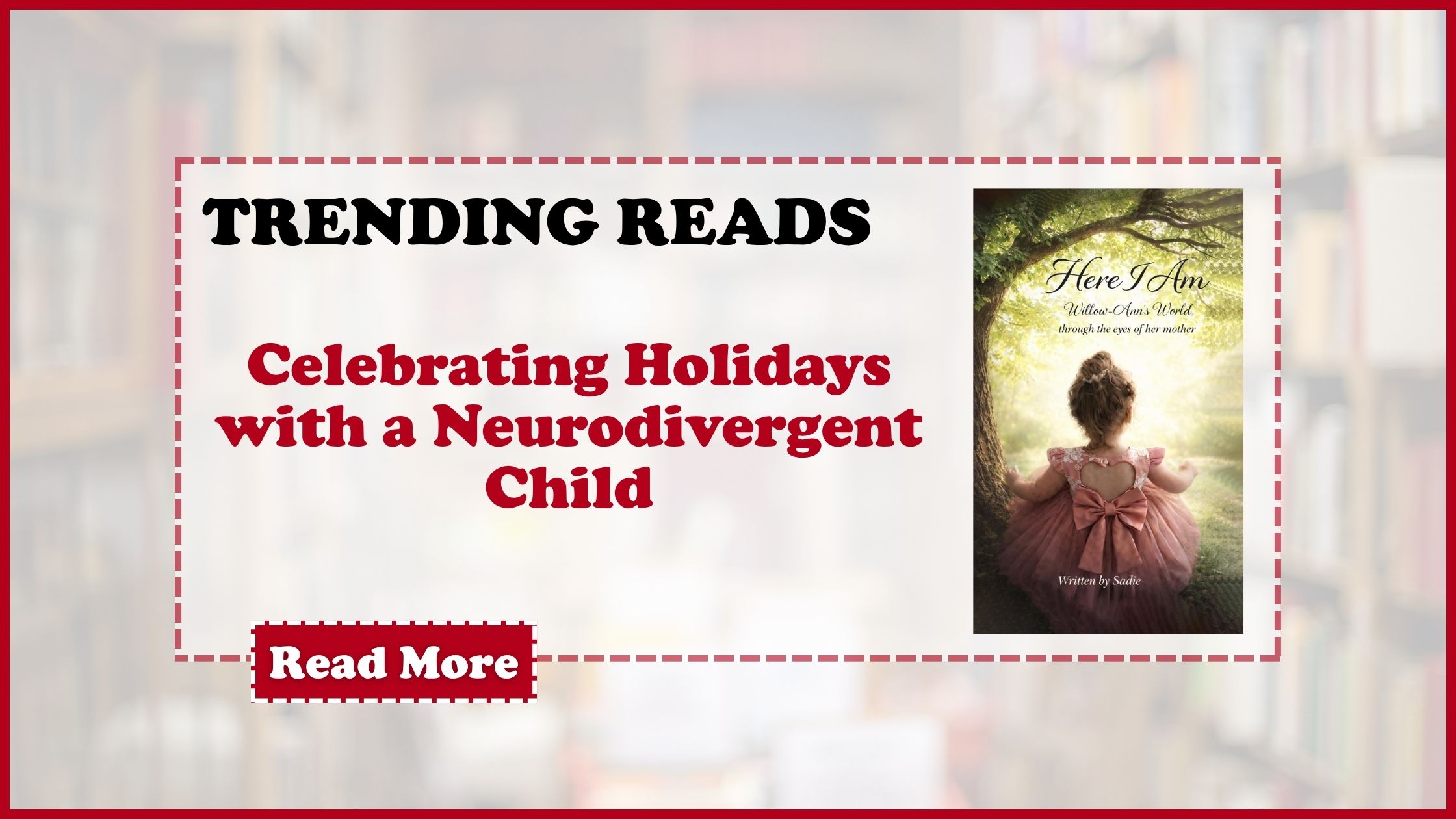
In Here I Am: Willow-Ann’s World So Far, Sadie McGloin offers a perspective that shifts how we approach these moments. Celebrating does not have to mean doing everything. It means creating an experience that works for the child, not against them. The first step is understanding sensory impact.
Holidays bring changes in environment. Brighter lights, louder sounds, unfamiliar people, and disrupted routines. For a neurodivergent child, this can feel intense and unpredictable. Recognising these triggers allows parents to plan with awareness rather than reaction.
Talking through what will happen, even in simple terms, helps build familiarity. Visual cues, repeated reminders, or keeping certain traditions consistent can reduce anxiety. Knowing what to expect creates a sense of safety. But preparation does not remove everything.
Flexibility is just as important.
Plans may need to change in the moment. A child may need to step away from a gathering. They may not engage in activities the way others do. Allowing space for this, without pressure, makes the experience more manageable for everyone. Shorter, simpler celebrations often work better.
Instead of long events, breaking the day into smaller, quieter moments can prevent overwhelm. A brief visit, followed by time at home. A single activity instead of multiple plans. These adjustments do not take away from the holiday. They reshape it.
Familiar surroundings provide comfort. Decorations can be introduced gradually. Music can be controlled. The pace can be set according to the child’s needs. This creates an environment where the child can engage without feeling overloaded. It is also important to focus on what the child enjoys.
Not every tradition needs to be followed. If a child connects with certain elements, lights, music, food, or specific activities, those can become the focus. The goal is not to meet expectations, but to create positive experiences. Family and social expectations can add pressure.
There may be an unspoken idea of what holidays should look like. Large gatherings, full participation, constant interaction. For neurodivergent children, this is not always realistic.
Letting go of those expectations is freeing. It allows parents to prioritise their child’s comfort without guilt. There will be moments that do not go as planned.
A meltdown. A refusal to participate. A need to leave early. These are not failures. They are part of understanding and responding to the child’s needs. Over time, patterns become clearer. Parents learn what works, what does not, and how to adjust. Each holiday becomes an opportunity to refine the experience, making it more comfortable and meaningful.
In Here I Am: Willow-Ann’s World So Far, the most important takeaway is this. Celebration is not defined by how much is done. It is defined by how it feels. For a neurodivergent child, a calm moment, a familiar routine, or a simple shared experience can hold far more meaning than a full schedule of events.
Amazon Book Link : https://www.amazon.com/dp/B0GX7PZYBM/