Good classroom behaviour begins long before a rule is broken. It starts with the atmosphere a teacher creates, the language children hear, and the small daily reminders that help them understand how to act. Young children do not always respond well to scolding or repeated correction. They need guidance they can see, remember, and enjoy. This is where storytelling and character raps can become powerful tools in early childhood education.
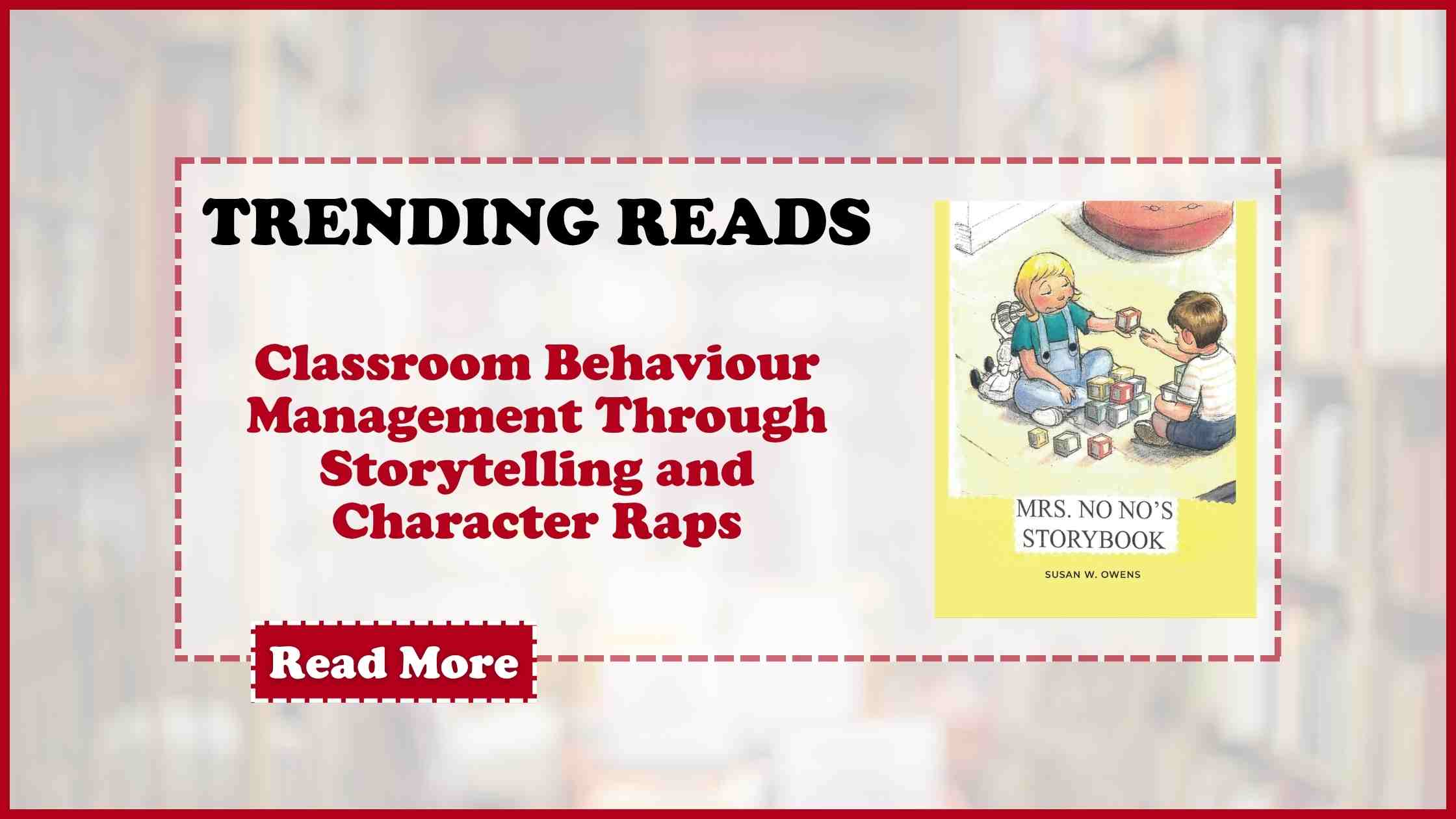
Mrs. No No’s Storybook by Susan W. Owens offers a charming way to teach children positive behaviour without making correction feel heavy or harsh. Through the story of Katy and her special doll, Mrs. No No, children see how a gentle reminder can help them make better choices at home, at school, and with others. The story does not lecture. It shows. Children watch Katy learn to brush her teeth, treat her little brother kindly, cooperate with classmates, and listen when she is asked to do something important.
For teachers, this kind of story based approach can make classroom management feel more natural. Instead of stopping the day with long warnings, a teacher can use a familiar character to remind children what good behaviour looks like. Mrs. No No becomes a friendly symbol of conscience. She helps children pause, think, and correct themselves. That kind of self-correction is one of the most valuable habits a child can develop.
The character raps in Mrs. No No’s Storybook add another lively layer to the lesson. Children love rhythm, repetition, movement, and sound. When positive values are taught through short, memorable raps, they become easier for children to recall throughout the school day. Lessons about respect, cooperation, honesty, manners, diligence, responsibility, and self-esteem become active and engaging rather than dull or forced.
A classroom that uses storytelling and raps gives children more than rules. It gives them language for good choices. It helps them understand that working hard matters, telling the truth matters, saying please and thank you matters, and treating others with respect matters. These lessons shape not only classroom behaviour but also the way children begin to see themselves.
Susan W. Owens understands that young children need correction, but they also need warmth. Mrs. No No’s Storybook supports teachers and parents by presenting behaviour guidance in a way that feels loving, visual, and easy to repeat. It is especially useful for early learners who benefit from simple examples and consistent reminders.
For educators searching for a classroom tool that blends story, character building, and positive behaviour management, Mrs. No No’s Storybook is a thoughtful choice. It turns everyday discipline into meaningful teaching moments and gives children a joyful path toward becoming kinder, more responsible, and more confident learners.
Explore this book now, available on Amazon: https://www.amazon.com/dp/B0FPPJX6DR.