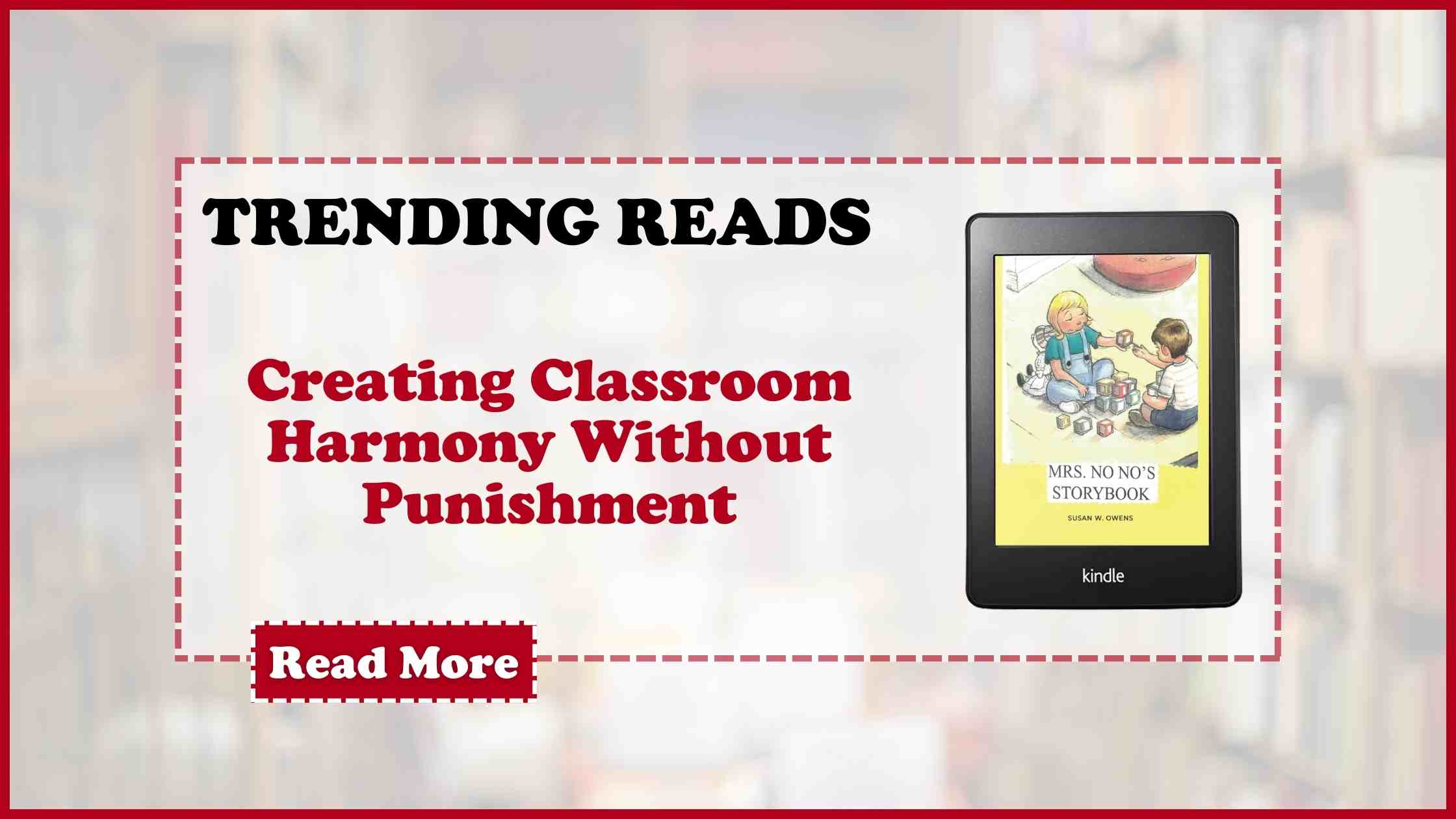
Classroom discipline has often relied on punishment, strict warnings, or repeated verbal correction. While these methods may stop behavior in the moment, they do not always teach children how to manage their actions in the long term. Many educators are now looking for ways to guide behavior while maintaining a calm and respectful learning environment. This is where positive classroom management approaches become valuable. Mrs. No No’s Storybook by Susan W. Owens introduces a gentle method that replaces punishment with reflection and self-correction.
Punishment based systems may create fear or embarrassment for young learners. When children feel anxious or pressured, they may focus more on avoiding trouble than understanding their behavior. This can make it harder for them to develop self awareness and responsibility.
A Positive Alternative
Therefore, instead of relying on consequences alone, positive guidance focuses on helping children recognize their own behavior and make better choices. This approach encourages reflection and learning rather than compliance.
The Role of Mrs. No No
In Mrs. No No’s Storybook, the puppet Mrs. No No acts as a calm visual reminder that helps children pause and think. Teachers can use the puppet to signal when a student needs to adjust their behavior. Because the reminder is gentle and predictable, children respond without feeling singled out.
Encouraging Self Correction
Over time, students begin to recognize the cue and adjust their behavior independently. This builds internal responsibility and reduces the need for constant correction, reducing the likelihood of inappropriate behavior in the classroom.
Building a Calm Classroom Culture
When discipline is handled calmly, the entire classroom benefits. Asa result, students feel safer, teachers feel less stress, and learning continues without disruption. So, take your time and read Mrs. No No’s Storybook to your children and do not forget to introduce Mrs. No No in the classroom, perhaps on your table, from where she can observe every child who intentionally or unintentionally misbehaves.
When a child misbehaves, the teacher will ask Mrs. No No if she sees someone who is doing something wrong. Mrs. No No will shake her head yes and look at the child with those big eyes. Eventually, the children will correct their behavior to please Mrs. No No. Parents can use the same approach with their children at home. This character-building program is a fantastic tool for teaching children on the Autism Spectrum as Mrs. No No’s loving demeanor may prevent meltdowns, but all children can benefit from the love and guidance she provides.
Grab your copy from https://www.amazon.com/dp/B0FPPJX6DR.
Creating classroom harmony does not require punishment. With thoughtful tools like the approach in Mrs. No No’s Storybook, teachers can guide behavior while supporting emotional growth.