Talking to children about medical conditions can feel overwhelming. Complex terms, unfamiliar procedures, and emotional weight make it difficult to find the right words. Yet children do not need clinical explanations. They need understanding, reassurance, and a way to make sense of what they see and feel.
Storytelling offers a powerful bridge between reality and comprehension. Through stories, children are able to process difficult experiences in a way that feels safe and approachable. Instead of fear, they find curiosity. Instead of confusion, they begin to see meaning.
When medical challenges are presented through characters and imagination, they become less intimidating. A breathing tube is no longer just a piece of equipment. It becomes a source of strength. A light used for treatment transforms into a healing power. These shifts in perspective allow children to engage without feeling overwhelmed.
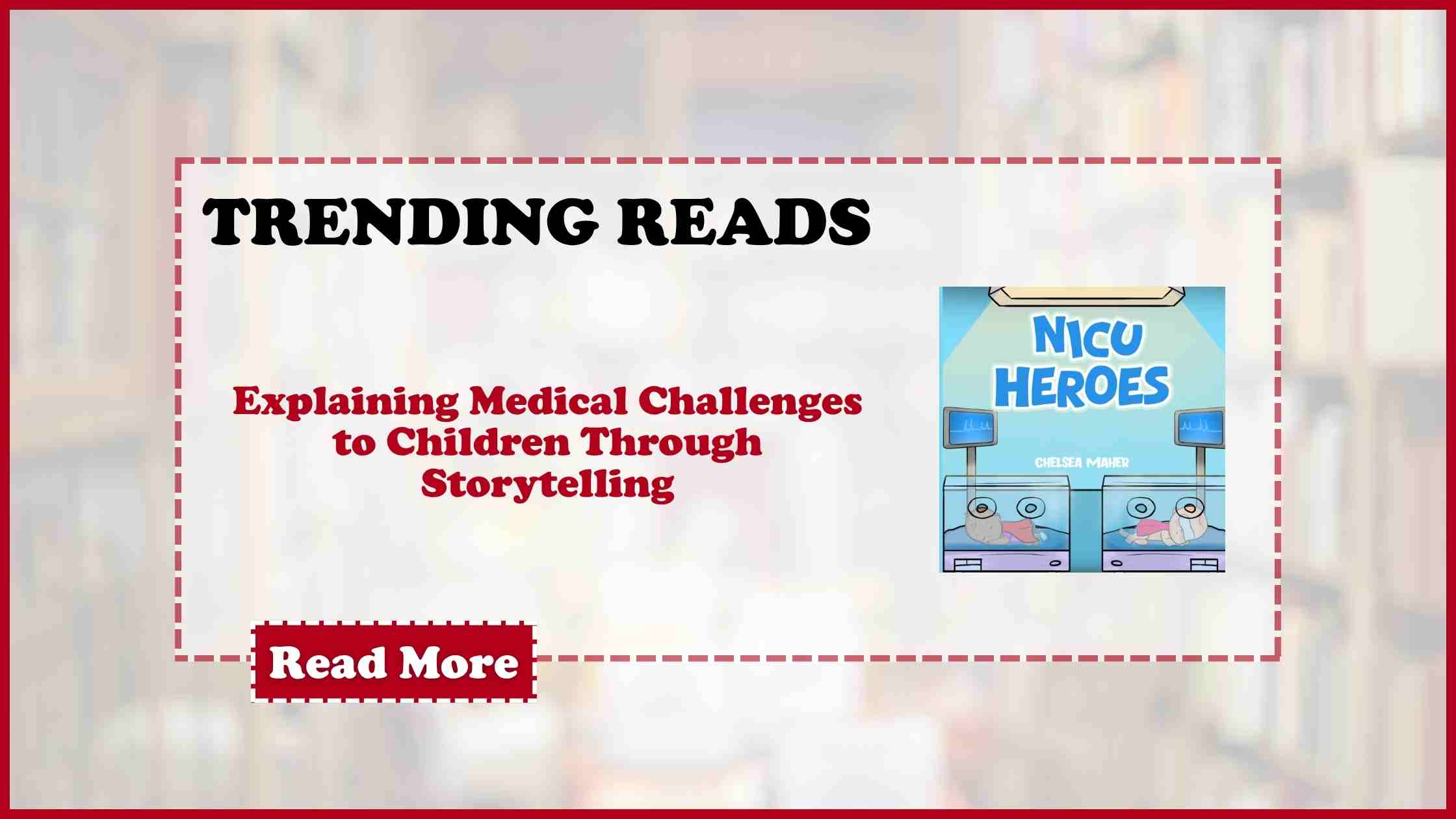
This is where NICU Heroes by Chelsea Maher stands out. The book takes real medical situations and reimagines them through a lens of courage and empowerment. Each character represents a challenge faced in the Neonatal Intensive Care Unit, yet those challenges are presented as unique abilities. A child who needs help breathing becomes a hero with powerful breath. A baby under special lights gains the ability to heal others. What might seem frightening is reframed as something meaningful and strong.
This approach does more than simplify complicated topics. It protects a child’s sense of wonder while gently introducing reality. Children are naturally drawn to stories filled with heroes, growth, and transformation. By placing medical experiences within that familiar structure, understanding begins to take shape without fear taking hold.
Parents and caregivers also benefit from this method. Storytelling provides them with a shared language they can use when speaking to their children. Instead of struggling to explain medical details, they can refer to characters and moments within the story. This creates connection, making conversations feel less heavy and more supportive.
Another important aspect of storytelling is emotional validation. Children often sense when something is wrong, even if they cannot fully understand it. Stories give them a way to recognise those feelings. They see characters facing challenges, adapting, and finding strength. This reassures them that what they are feeling is natural and that they are not alone.
Books like NICU Heroes are not only tools for explanation. They are sources of comfort and hope. They allow children to see that challenges do not define them in a negative way. Instead, those challenges can become part of their strength and identity.
The ability to turn real life struggles into meaningful stories is what makes storytelling so effective. It does not remove the truth. It reshapes it in a way that children can hold onto without fear.
In moments where words feel inadequate, a story can speak clearly. It can guide, reassure, and uplift. NICU Heroes by Chelsea Maher does exactly that, offering families a way to approach difficult conversations with warmth, clarity, and a sense of strength that every child deserves to feel.
Read this book, available on Amazon: https://www.amazon.com/dp/B0GP9G4QM2