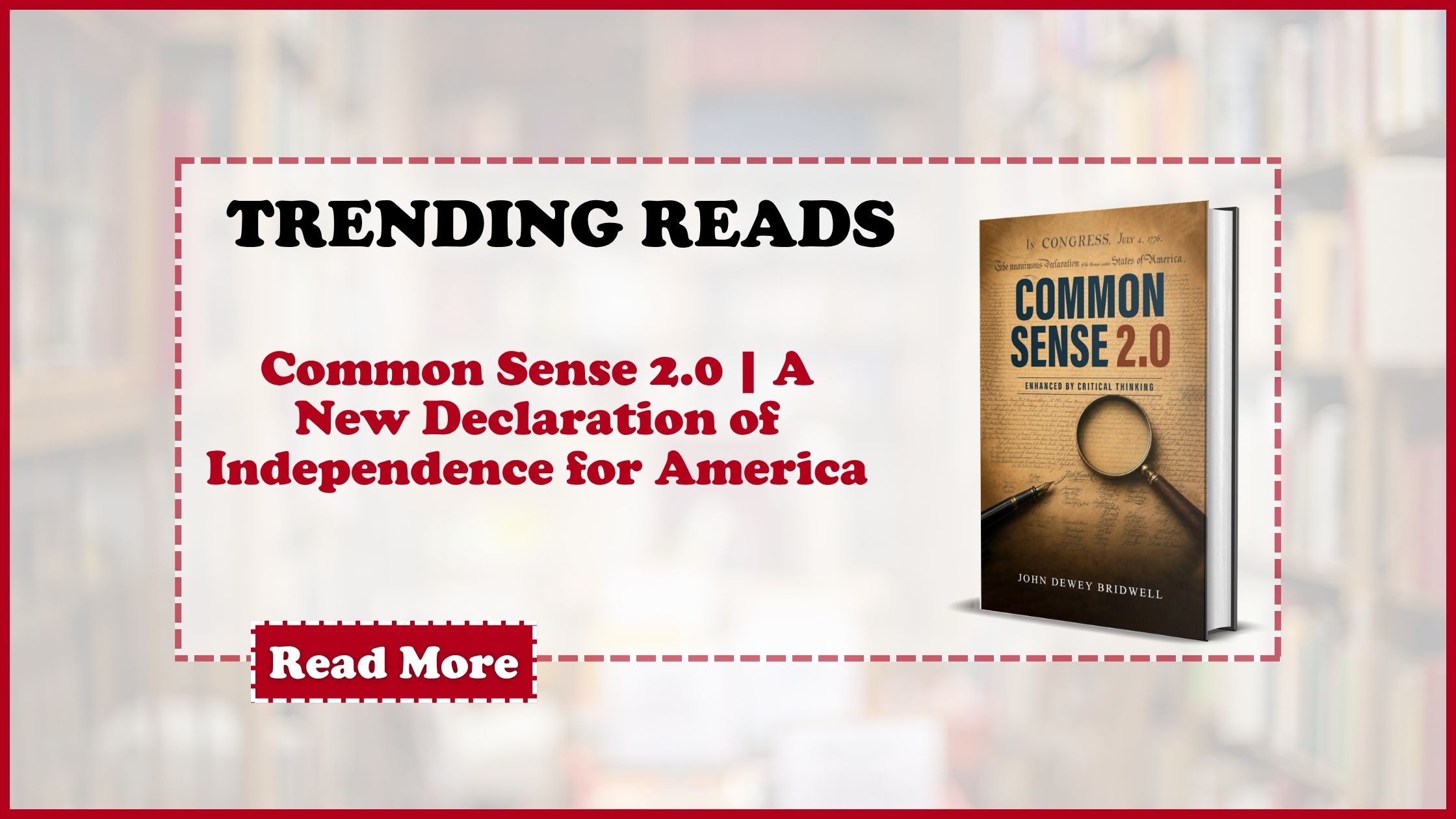
The journey from colonial rule to an independent and structured American government offers enduring lessons for modern governance. In 1776, Thomas Paine’s Common Sense galvanized the colonies to seek freedom from Britain, not merely as a political statement but as a call for a system of government accountable to the people. The Declaration of Independence translated these ideas into foundational mandates: the rights to equality, life, liberty, and the pursuit of happiness, coupled with the obligation of a democratic government to protect them.
Common Sense 2.0 by John Bridwell revisits these historical milestones to highlight their relevance today. Paine’s arguments for self-governance, fairness, and citizen responsibility remain critical as America confronts modern challenges such as political polarization, inequality, and social justice. By understanding the colonies’ struggles to balance freedom with effective governance, contemporary leaders can draw inspiration for creating a government that is responsive and just.
The drafting of the Constitution in 1787 marked a pivotal step in institutionalizing democracy. It established three co-equal branches of government, aiming to prevent concentration of power while ensuring citizen representation. However, as the book emphasizes, compromises made during its formation such as the counting of enslaved people for representation expose the Constitution’s imperfections. These historical lessons underscore the importance of continuous evaluation and reform to meet evolving societal needs.
Modern governance can benefit from this historical perspective by prioritizing inclusivity, accountability, and the protection of fundamental rights. The principles that guided the colonies consent of the governed, equality under the law, and a commitment to justice serve as a benchmark for evaluating current policies and institutions. Common Sense 2.0 illustrates how the failure to fully implement these principles has led to recurring challenges, from unequal representation to conflicts over civil rights and public welfare.
Another key takeaway is the role of civic education and informed citizen participation. Paine’s vision required not only a bold declaration but an engaged populace. Today, the health of democracy depends on citizens understanding their rights and responsibilities, participating in elections, and holding government accountable. By applying lessons from the founding era, contemporary policymakers and voters alike can ensure that government actions reflect the values upon which the nation was built.
Ultimately, the path from colonies to Constitution demonstrates that effective governance demands both principled leadership and an engaged citizenry. Common Sense 2.0 provides a guide to translate these historical lessons into actionable strategies, ensuring that America’s democratic mission remains vibrant and resilient. It is a reminder that the work of building a just society is ongoing, requiring dedication to the ideals of equality, liberty, and shared prosperity.
Discover this book now, available on Amazon: https://www.amazon.com/dp/B0GNCKMC5H/