Every nurse remembers a moment when everything seemed to happen at once. A monitor begins to alarm, a patient’s condition suddenly changes, and every second feels heavier than the last. In those moments, clinical knowledge matters immensely—but so does something that is rarely taught in depth: the ability to remain calm when pressure is at its highest.
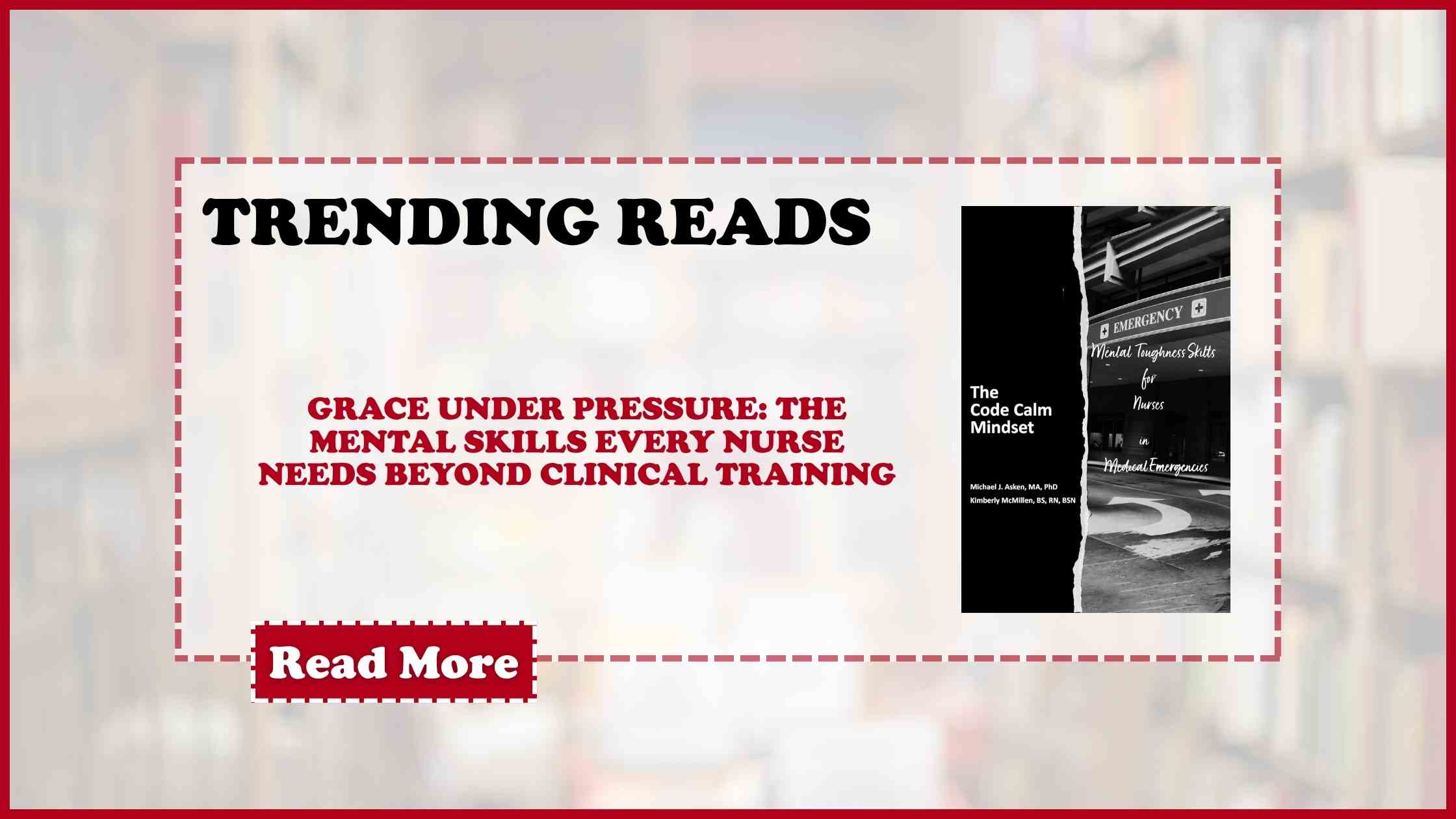
That reality is what makes The Code Calm Mindset so compelling. Rather than focusing only on technical expertise, Michael J. Asken explores the psychological skills that help healthcare professionals think clearly, act confidently, and continue performing even when emotions threaten to take over.
Many people assume confidence appears naturally with experience. In truth, confidence is often built long before a crisis begins. It grows through preparation, repetition, and the quiet belief that when the unexpected arrives, you can trust yourself to respond. Every experienced nurse has faced moments of uncertainty, self-doubt, or fear. Those feelings don’t disappear; they become easier to manage with the right mental habits.
Imagine two nurses entering the same emergency. Both possess similar education and technical ability. One becomes overwhelmed by racing thoughts, while the other pauses, breathes, regains focus, and proceeds with purpose. The difference isn’t intelligence or dedication—it’s mental preparation. The strongest performers aren’t fearless; they’ve simply learned how to work alongside fear instead of allowing it to take control.
This perspective extends beyond emergency rooms. Whether you’re comforting a worried family, mentoring a new colleague, or navigating the emotional weight of long shifts, resilience becomes one of the profession’s greatest assets. Mental toughness isn’t about becoming emotionally distant. It’s about protecting your ability to care deeply without becoming consumed by every stressful moment.
The book also reminds readers that performance isn’t shaped only during emergencies. Quality sleep, physical fitness, recovery, positive self-talk, and mental rehearsal all contribute to how effectively someone responds under pressure. These habits may seem ordinary on a quiet day, but they become extraordinary when lives depend on clear thinking and steady hands.
Perhaps the most inspiring message is that these skills are learnable. No one is born perfectly composed in high-pressure situations. Like any clinical procedure, psychological performance improves through consistent practice. Every shift offers another opportunity to strengthen confidence, sharpen focus, and build resilience for whatever tomorrow may bring.
The Code Calm Mindset encourages healthcare professionals to see mental training as an essential part of professional excellence rather than an optional extra. Michael J. Asken presents a practical reminder that caring for others begins with preparing your own mind to perform at its best.
In the end, grace under pressure isn’t about never feeling afraid. It’s about choosing preparation over panic, purpose over fear, and growth over self-doubt. When nurses strengthen both their clinical skills and their mindset, they don’t just improve performance—they become a steady source of hope during life’s most critical moments.
Available On Amazon: https://www.amazon.com/dp/B0CQF13ZRH/