History is often presented as a collection of established facts supported by documents, records, and widely accepted interpretations. Textbooks, official archives, and academic studies help shape the version of history most people learn. Yet history is not only written through institutions and scholars. It is also influenced by individual experiences, personal observations, and the ways people interpret the world around them.
Personal experience can strongly influence how individuals understand historical events and social systems. People who live through political change, cultural conflict, or institutional challenges often develop perspectives that differ from official narratives. Their experiences may lead them to question commonly accepted explanations and explore alternative interpretations of how events unfolded.
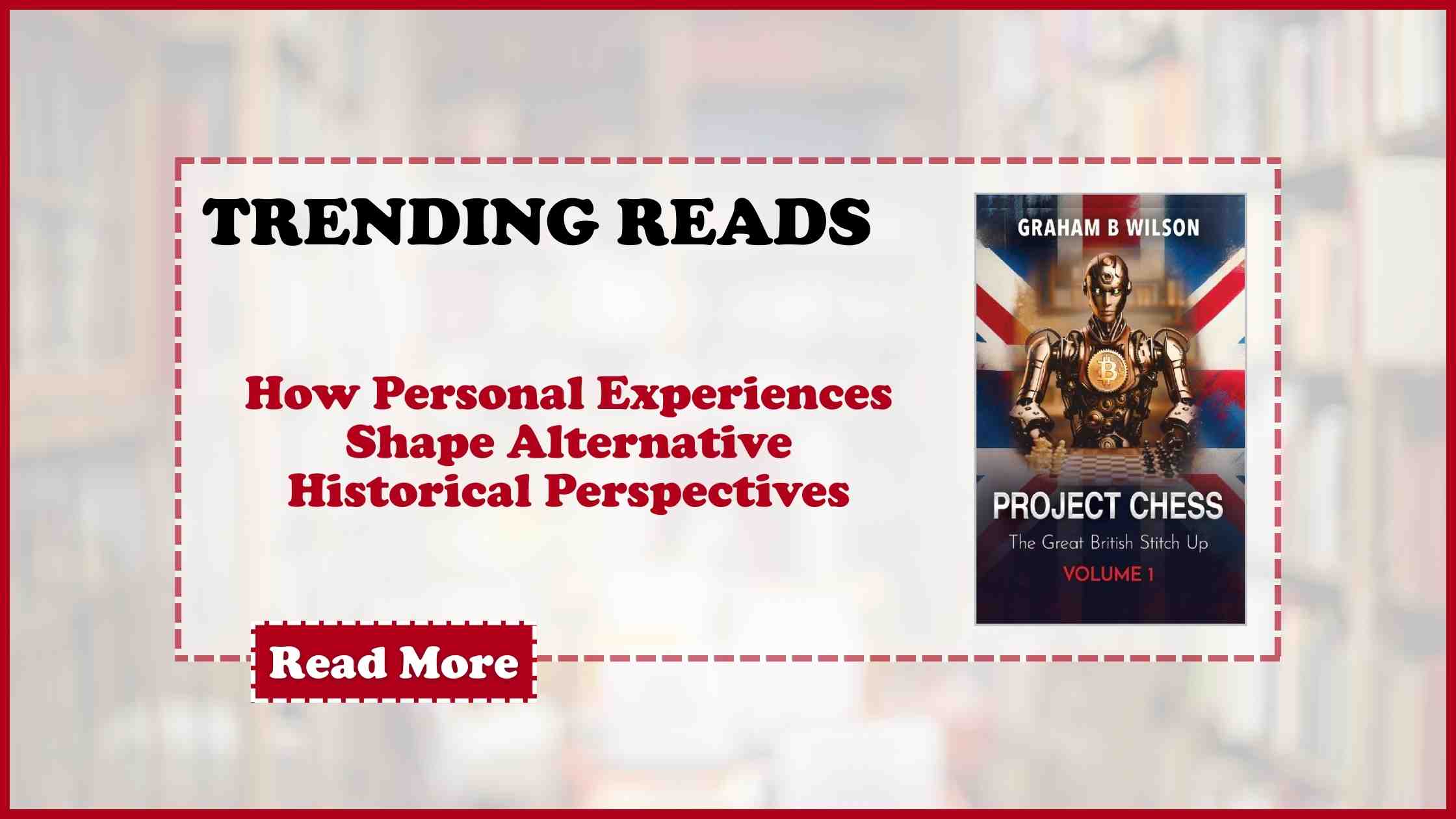
In Project Chess: The Great British Stitch Up Volume One, Graham B. Wilson explores how personal experiences can shape a different way of looking at history and society. The book reflects a perspective formed through observation, reflection, and the author’s own encounters with institutions and social systems. These experiences contribute to a narrative that examines history from an unconventional angle.
Personal experiences often encourage individuals to ask questions that traditional historical accounts do not always address. When someone encounters contradictions between official explanations and their own observations, it can lead to a deeper search for meaning. This search may involve examining forgotten historical details, revisiting myths and legends, or exploring connections between events that are rarely discussed together.
Throughout history, many influential ideas have emerged from individuals who challenged established interpretations. Writers, philosophers, and historians have often used their personal experiences as starting points for exploring new ways of understanding the past. These alternative viewpoints sometimes reveal overlooked details or raise questions that encourage broader discussion.
Project Chess reflects this tradition of questioning accepted narratives. The book explores how personal interpretation can influence the way historical events are understood. By combining reflections on mythology, political systems, and social structures, the narrative invites readers to consider whether some historical stories may contain deeper layers of meaning.
Alternative historical perspectives often emerge when individuals examine patterns that appear across different periods of time. For example, a person may notice similarities between ancient myths and modern political structures, or between historical power struggles and contemporary institutions. These observations can inspire new interpretations about how societies evolve and how influence operates within them.
Personal experience can also influence the way people interpret institutions and authority. Individuals who have interacted with government systems, social services, or other institutional frameworks may develop insights about how these systems function in practice. Those experiences can shape the questions they ask about power, governance, and the forces that guide societal change.
Project Chess uses personal reflection as a lens through which larger historical questions are explored. Rather than presenting a strictly academic analysis, the book encourages readers to think about how individual experiences might reveal patterns that traditional narratives overlook.
This approach reminds readers that history is not only a collection of dates and events. It is also shaped by human interpretation. Every generation revisits the past and reexamines the meaning of historical developments through its own experiences and challenges.
Project Chess: The Great British Stitch Up Volume One presents a perspective shaped by observation, personal reflection, and curiosity about how history and society operate. By exploring how personal experiences can lead to alternative historical viewpoints, the book encourages readers to think more deeply about the stories that define our understanding of the world and to consider how different perspectives may reveal new ways of interpreting the past.
The book is available on https://www.amazon.com/dp/B0G4VFBH6Z.