Managing classroom behavior is one of the biggest challenges teachers face today. Every educator wants a classroom environment where students feel safe, respected, focused and motivated to learn. While rules and discipline are important, many teachers are discovering that storytelling can be one of the most effective tools for encouraging positive behavior in children.
Stories have the power to capture attention, spark imagination and teach important life lessons in a way that children naturally understand. Instead of constantly correcting behavior through punishment or criticism, storytelling allows teachers to guide students toward better choices through relatable characters, emotions and experiences.
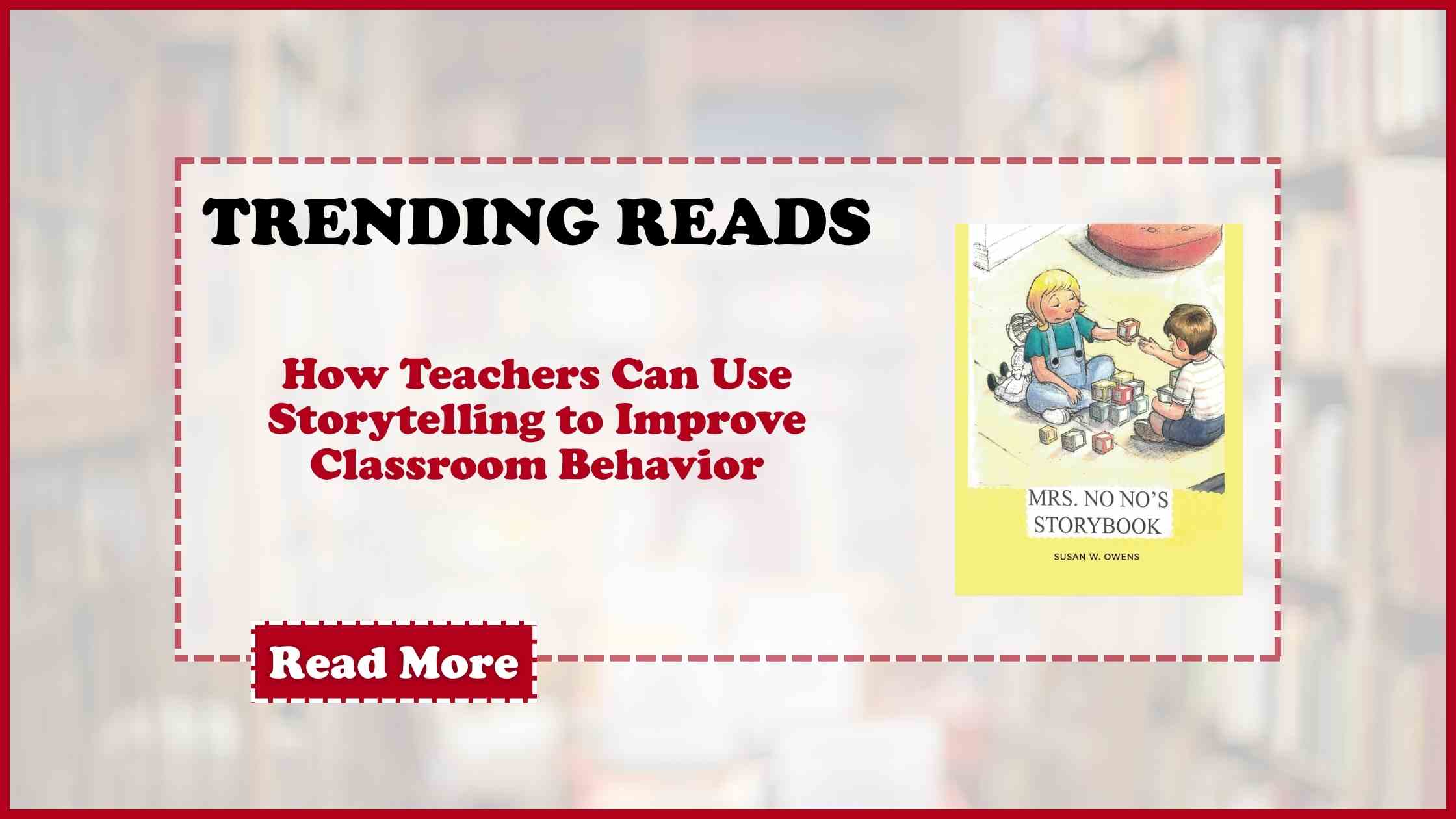
In Mrs. No No’s Storybook, author Susan W. Owens demonstrates how storytelling can become a positive influence in classroom management. The book encourages children to think about respect, honesty, cooperation and responsibility while making learning enjoyable and interactive.
Why Children Respond to Stories
Children connect with stories because they see themselves in the characters. A lesson about kindness or responsibility often becomes more meaningful when presented through a story instead of a lecture.
Stories help children:
- Understand consequences
- Recognize emotions
- Develop empathy
- Learn problem-solving skills
- Reflect on their own behavior
When students hear about a character making mistakes, learning lessons or choosing kindness, they begin to think about their own actions in similar situations. This type of emotional connection is often more powerful than repeated reminders about classroom rules.
Storytelling also creates a calmer and more positive learning atmosphere. Instead of focusing only on discipline, teachers can use stories to inspire self-awareness and cooperation.
Teaching Behavior Through Positive Examples
One of the greatest strengths of storytelling is that it teaches through example rather than fear. Children are more likely to imitate behaviors they admire and understand.
Books like Mrs. No No’s Storybook provide memorable examples of positive behavior in action. The story encourages students to think before acting and reminds them that making good choices helps everyone in the classroom.
Teachers can use storytelling to address common classroom challenges, such as:
- Interrupting others
- Sharing and cooperation
- Respect for classmates
- Listening skills
- Honesty and responsibility
- Following directions
After reading a story, teachers can ask reflective questions such as:
- “How did the character solve the problem?”
- “What could they have done differently?”
- “Have you ever experienced something similar?”
These discussions encourage students to participate emotionally and socially while learning valuable behavioral lessons.
Interactive Storytelling Builds Engagement
Children learn best when they are actively involved. Interactive storytelling can make classroom lessons even more effective.
Teachers can:
- Use puppets or props
- Let students act out scenes
- Encourage group discussions
- Create role-playing activities
- Repeat positive affirmations and rhymes
In Mrs. No No’s Storybook, the “raps for respect” provide a creative way for children to remember positive behaviors through repetition and movement. Interactive activities like these make lessons more enjoyable while reinforcing important classroom values.
When students are engaged emotionally and physically, they are more likely to remember and apply the lessons throughout the school day.
Building a Positive Classroom Culture
Storytelling does more than improve individual behavior; it helps create a supportive classroom culture. Stories encourage kindness, empathy, patience and teamwork, helping students feel connected to one another.
A classroom built on encouragement and understanding often experiences fewer behavioral disruptions because students begin to develop internal motivation rather than acting only to avoid punishment.
Teachers who consistently use positive storytelling techniques can help students:
- Develop self-control
- Improve communication skills
- Build confidence
- Strengthen social-emotional learning
- Feel more valued and understood
The Lasting Power of Stories
Long after students forget worksheets or quizzes, they often remember stories and the lessons behind them. A meaningful story can influence how a child thinks, behaves and treats others for years to come.
That is why storytelling remains one of the most powerful educational tools available to teachers. It transforms discipline into guidance, lessons into experiences and classrooms into communities where children can grow academically, socially and emotionally.
Available On Amazon: https://www.amazon.com/dp/B0FPPJX6DR