Hosting a three course wine paired dinner party at home does not require a professional kitchen or a sommelier certificate. It requires planning, balance, and a clear understanding of how flavours and wines interact. When done thoughtfully, it transforms a simple gathering into a memorable experience.
The first step is structure. A three course format works best when it progresses in intensity. Begin with something lighter and fresher, move into a richer main course, and finish with a dessert that feels indulgent but not overwhelming. The wines should follow this same journey, starting crisp and bright, building toward fuller body and structure, and ending with sweetness or fortified depth.
For the starter, think in terms of freshness and acidity. Dishes such as fried oysters, seafood skewers, or a light salad provide an ideal opening. The goal is to awaken the palate without tiring it. A sparkling wine or a crisp white works beautifully here. Champagne, Albariño, or Sauvignon Blanc bring citrus acidity and freshness that cut through richness and complement seafood. The bubbles or sharpness cleanse the palate, preparing guests for the next course.
The main course should introduce greater depth and complexity. This is where you can showcase a centrepiece dish such as Lamb Kleftiko, Herb Crusted Rack of Lamb, Beef Cheek Bourguignon, or a beautifully cooked Côte du boeuf. Rich proteins and slow cooked dishes call for wines with structure. Syrah, Cabernet Sauvignon, Bordeaux blends, or Pinot Noir depending on the dish provide tannins and body that stand up to the fat and flavour. Tannins bind to protein, softening in the glass and enhancing the savoury qualities of the meat.
When planning the main course, consider balance. If the dish is particularly rich, ensure the wine has enough acidity to prevent heaviness. If the dish carries spice, avoid wines with excessively high alcohol that could amplify heat. Matching intensity is essential. A delicate wine with a bold dish will feel lost. A powerful wine with a subtle dish will dominate.
Dessert completes the arc. Many hosts overlook this stage, serving sweet food with leftover dry wine. This is a missed opportunity. Sweet dishes require wines with equal or greater sweetness. Sticky Toffee Pudding paired with PX Sherry or a Burnt Basque Cheesecake served alongside a dessert wine such as Straw Wine or Ruby Port creates harmony. The sweetness in the wine prevents it from tasting sharp or thin next to sugar, while acidity keeps the finish lively.
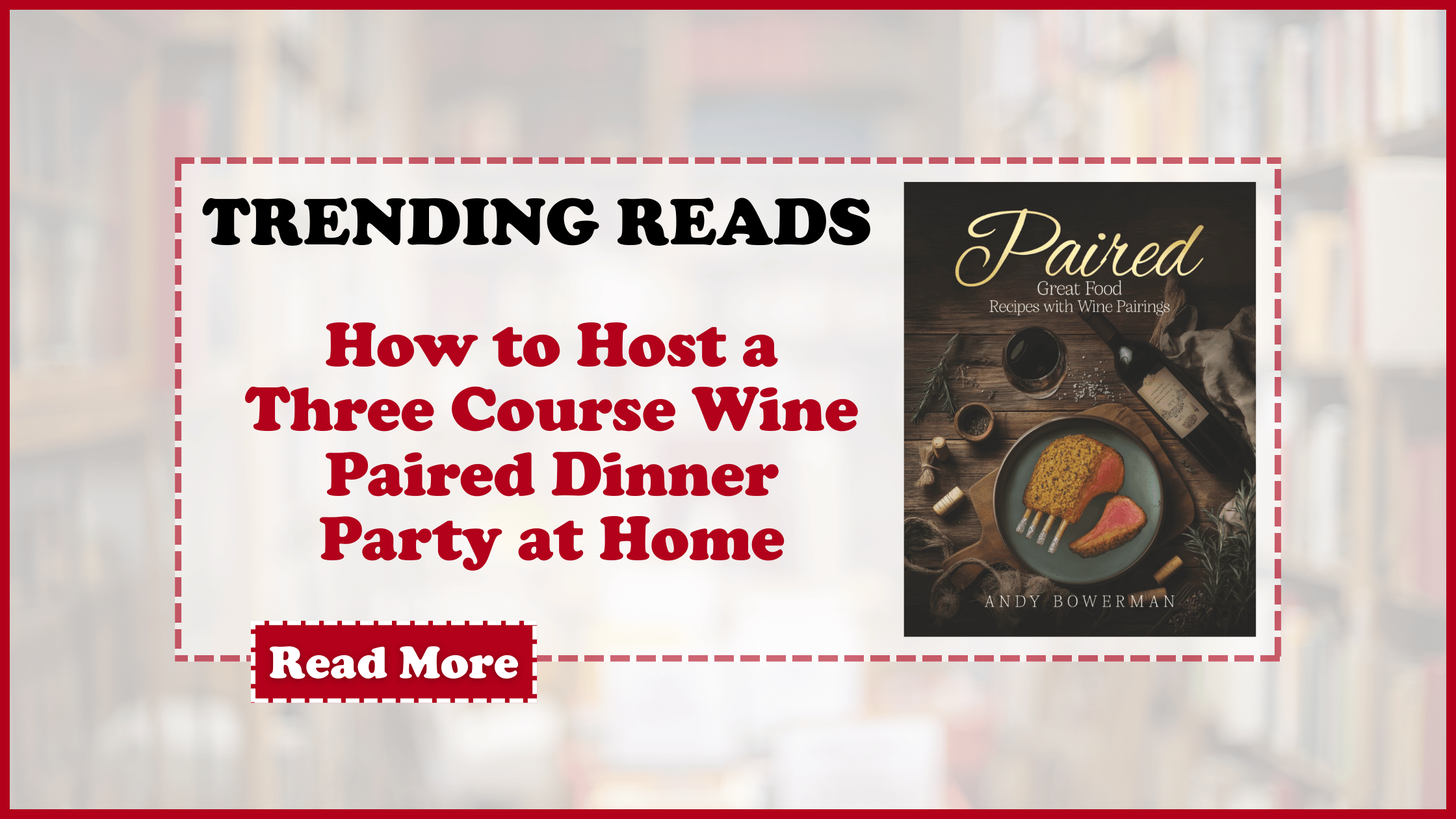
In Paired: Great Food Recipes with Wine Pairings, Andy Bowerman provides practical examples of how these relationships work in real dishes.
The book offers structured recipes alongside wine suggestions that simplify decision making. Using a framework like this removes guesswork and builds confidence.
Timing is equally important. Prepare as much as possible in advance. Starters can often be prepped earlier in the day. Slow cooked mains benefit from resting time. Desserts such as cheesecake or tarte tatin can be made ahead. This allows you to focus on your guests rather than rushing between kitchen and table.
Presentation also matters. Serve wines at the correct temperature. Whites chilled but not icy. Reds slightly below room temperature. Consider opening fuller bodied reds an hour before serving to allow oxygen to soften them. Small details elevate the experience.
Finally, keep the atmosphere relaxed. Explain briefly why each wine was chosen. Encourage guests to taste the wine alone and then with the food. Notice how flavours shift. This interaction makes the meal engaging rather than formal.
A three course wine paired dinner party is not about impressing through complexity. It is about creating flow, balance, and enjoyment. With thoughtful structure and a clear pairing strategy, your home table can rival any restaurant experience.
Discover this book now, available on Amazon: https://www.amazon.com/dp/1970440821/.