Laughter has always been one of the best ways to cope with life. It lightens the mood, eases tension, and brings people together. Yiddish culture, in particular, has a long tradition of using humor as both a shield and a source of joy. From witty expressions to sharp storytelling, Yiddish humor captures the ups and downs of life with warmth and honesty. In a world where stress is constant, this tradition can remind us to laugh more and worry less.
Yiddish humor works because it is rooted in everyday experience. Words like “kvetch,” “plotz,” and “verklempt” are not abstract. They describe real emotions in colorful, often exaggerated ways. To “kvetch” is not just to complain. It is to pour your whole self into it, with sighs and gestures and a touch of love. To “plotz” is not just to faint; it is to collapse with drama that everyone around you can recognize. These words make us laugh because they capture truths we all know but rarely put into words.
What makes Yiddish humor special is that it does not shy away from hardship. Instead, it meets difficulty with a shrug, a joke, and a reminder that even suffering can be softened with laughter. Historically, Jewish communities faced incredible struggles, yet humor remained a constant. It was not about denying pain but about surviving it with spirit. That resilience is something we can all learn from.
Laughter also builds community. Yiddish humor is often shared around the table, in stories passed down from parents and grandparents, or in jokes told among friends. It creates a bond, reminding people that they are not alone in their mishegos. In today’s world, where isolation and stress can feel overwhelming, this communal laughter is a powerful antidote.
Incorporating Yiddish humor into our lives does not require fluency in the language. Many expressions have already found their way into everyday English. Phrases like “oy vey” or “chutzpah” are widely understood and carry a sense of playful exaggeration. Using these words in daily life is a small way to keep the tradition alive and to remind ourselves not to take everything so seriously.
Ultimately, laughter rooted in Yiddish culture teaches us perspective. Life will always bring challenges, but it will also bring moments of joy, silliness, and connection. If we can learn to see both sides, we will laugh more freely and carry less stress.
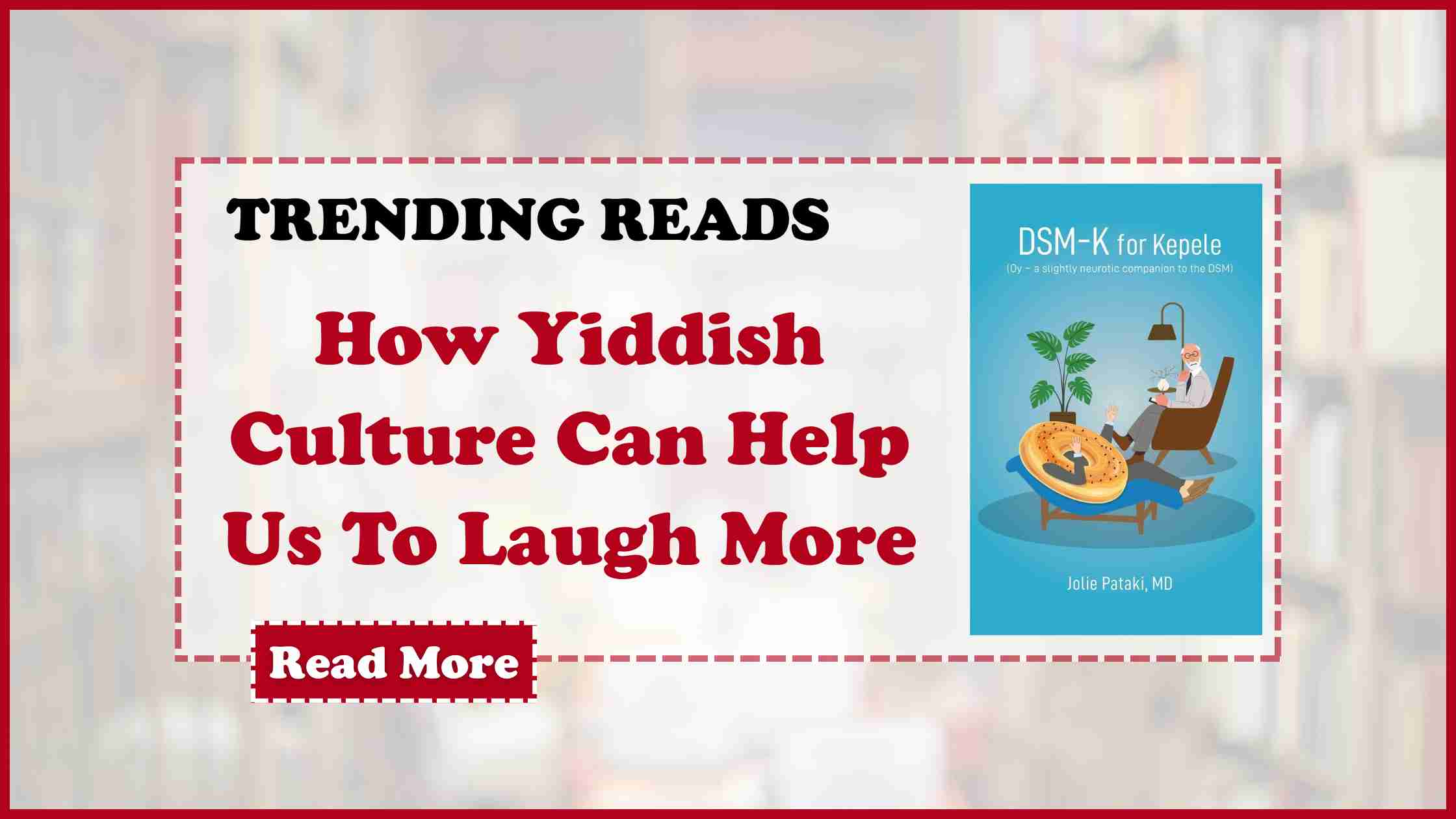
For readers who want to dive deeper into this tradition while also learning something about human behavior, DSM-K for Kepele by Dr. Jolie Pataki is a wonderful choice. With her playful “diagnoses” written in Yiddish-infused humor, Dr. Pataki shows how laughter can transform the way we think about psychiatry and about ourselves. It is a reminder that laughter is a form of healing, one “oy vey” at a time.
So, are you ready to heal and be happier in life? If yes, you should be reading DSM-K for Kepele by now.
Head to Amazon to purchase your copy: https://www.amazon.com/dp/1968966498/.
DSM-K for Kepele is a witty, one-of-a-kind fusion of psychiatry and Yiddish culture from the mind of Dr. Jolie Pataki, a psychiatrist with over 30 years of experience-and a Jew for more than twice as long. Through the humorous lens of her alter-ego, Dr. Fackacta, she offers a fresh (and hilarious) take on mental health diagnoses, replacing clinical jargon with the most accurately descriptive language ever spoken: Yiddish.
With tongue-in-cheek “disorders” like Kvetch Disorder, Plotz Attacks, and Folie-A-Jew, Dr. Pataki pokes fun at the quirks of human nature, psychiatric practice, and cultural traditions alike. Whether you’re a mental health professional, a lover of Jewish humor, or just someone who appreciates a good “oy vey,” this book delivers insight and laughs in equal measure.
Packed with cultural references, clever definitions, and compassionate wit, DSM-K for Kepele is more than a parody-it’s a celebration of the richness (and ridiculousness) of human behavior.