It’s a question that has fascinated philosophers, psychologists, and everyday people for centuries. Despite differences in culture, upbringing, or personal experience, human beings across the world display remarkably similar patterns of behavior. From seeking safety to building relationships, from forming groups to making sacrifices for loved ones, our actions often follow predictable emotional and instinctive patterns.
So, is there a universal drive behind human action?
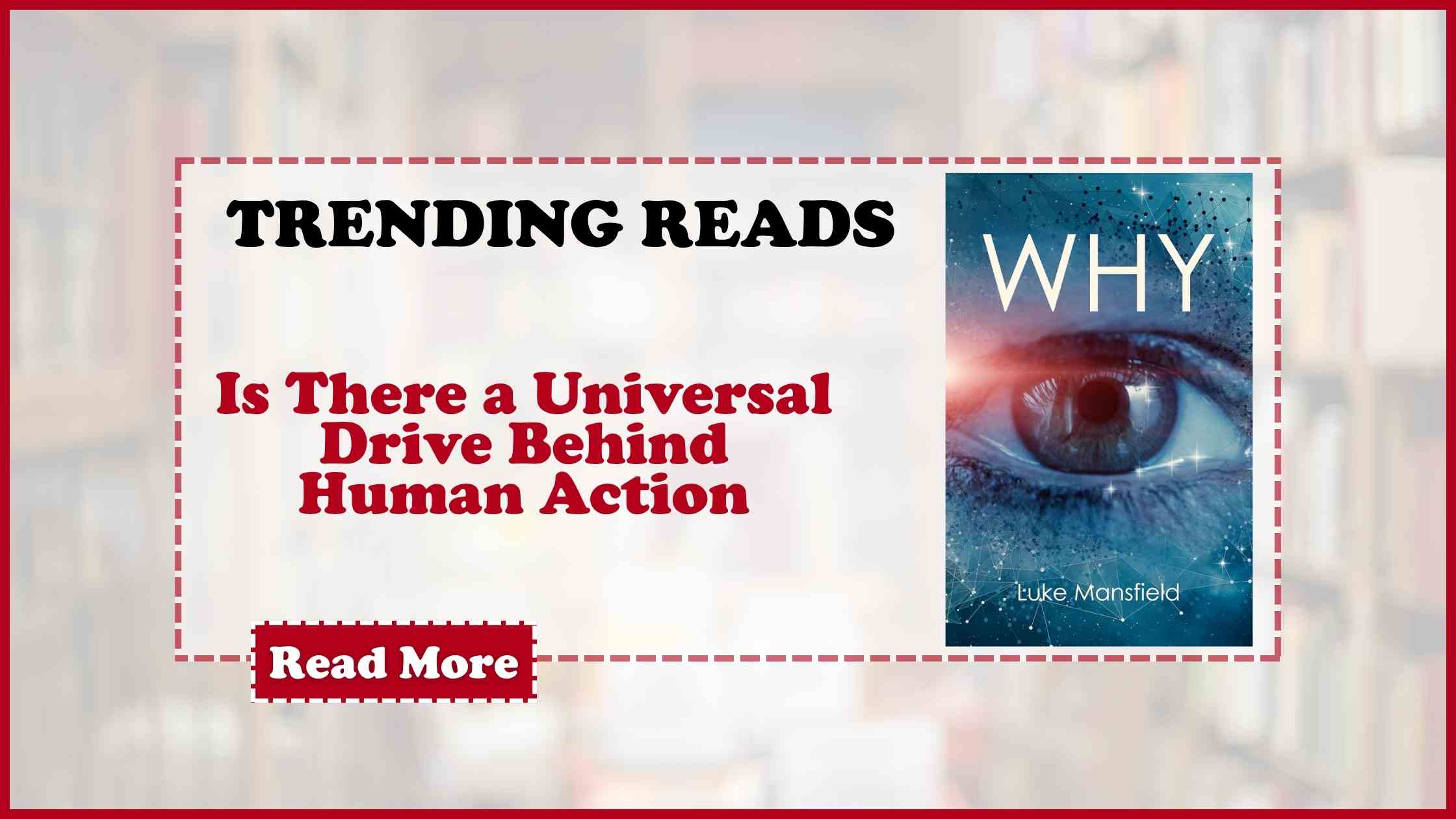
Luke Mansfield, in his insightful book WHY: Explanation, Guide and Reference to Basic Human Motivations, argues that yes, there is. He calls it the “Y” factor, a shorthand for the foundational instincts and motivations that guide nearly every human choice.
The “Y” framework suggests that our actions stem from deep, often subconscious needs. These include the desire for safety, acceptance, control, and validation. While the situations in which these needs emerge may vary, the needs themselves are universal. A child in Tokyo and a teenager in New York might not speak the same language, but both crave approval from their parents. A woman in Nairobi and a man in Berlin might live very different lives, but both fear rejection and long for a sense of belonging.
This perspective clarifies human behavior. By identifying the underlying motivations, Mansfield helps readers see past surface-level judgments. For instance, when someone acts aggressively, it might not be out of malice, but from fear or a desire to defend their identity. Understanding this root “Y” helps us respond with empathy rather than reactivity.
Mansfield’s approach reminds readers, especially young people, that their emotions and actions make sense when viewed through this motivational lens. This can be incredibly liberating. Instead of feeling confused or ashamed about one’s responses, a person can learn to observe them, understand them, and choose how to grow beyond them.
But what makes these drives universal?
According to Mansfield, it’s evolution. For thousands of years, humans who sought safety, bonded in groups, and paid attention to threats were more likely to survive. Over time, these traits became embedded in our nature. So even in today’s modern world, with all its complexity and technology, we are still running on ancient emotional software.
The settings have changed, but the operating system remains the same. This realization can transform the way we view society. It explains why politics taps into fear and group identity, why marketing appeals to self-image, and why social media is so addictive. These platforms and systems are not creating our behavior—they are amplifying instincts that already exist.
Recognizing the universality of our drives doesn’t mean we’re all the same. Each individual has unique experiences and expressions. But the framework of “Y” gives us a common language to understand one another better. It invites us to ask questions about ourselves and others: What are we really afraid of? What are we truly seeking?
Ultimately, the “Y” perspective offers a powerful shift in thinking. It invites us to go beyond judgment, beyond surface reactions, and into a space of shared humanity. In doing so, we find understanding, compassion, connection, and the possibility of real change, with greater purpose and clarity.
Order your copy on Amazon: https://www.amazon.com/dp/B0F33WJRRC/.