Experience in medicine is not measured only in years. It is measured in moments. Thousands of patient encounters, split-second decisions, unexpected outcomes, and the quiet reflections that follow each case shape a physician far more than any classroom ever could.
Over forty-five years in clinical practice, one truth becomes clear. Medicine is not just about knowledge. It is about judgment. Textbooks provide the foundation, but real life presents variables that no curriculum can fully anticipate. Each patient arrives with a unique story, and no two situations unfold in exactly the same way.
One of the earliest lessons is humility. No matter how skilled or experienced a doctor becomes, uncertainty is always present. Symptoms can mislead. Outcomes can surprise. Even the most routine case can take an unexpected turn. Accepting this reality is not a weakness. It is what allows a physician to remain alert, cautious, and open to learning.
Another lesson is the importance of communication. Patients do not always express themselves clearly. Fear, pain, and confusion can shape what they say and how they say it. Understanding goes beyond listening to words. It requires reading tone, observing behavior, and asking the right questions at the right time. A missed detail can change everything.
Over time, patterns begin to emerge. There is a well-known principle in medicine that common conditions appear more frequently than rare ones. Yet, it is the rare cases that test a doctor’s instincts. Recognizing when something does not fit the usual pattern becomes a critical skill. It is in these moments that experience often proves more valuable than theory.
Emotional resilience is another essential lesson. Medicine exposes individuals to life at its most fragile. There are victories that bring relief and losses that leave a lasting impression. Not every outcome can be controlled. Learning to carry these experiences without being overwhelmed by them is part of the profession.
Humor also finds its place, often in the most unexpected situations. It is not about making light of serious matters. It is about creating space to cope. In high-pressure environments, a moment of laughter can restore balance and help professionals continue their work with clarity.
Ethical challenges are woven into daily practice. Decisions are not always straightforward. Situations arise where the right course of action is not immediately obvious. Balancing medical judgment with compassion, patient wishes, and practical limitations requires careful thought. These moments define the character of a physician as much as their clinical ability.
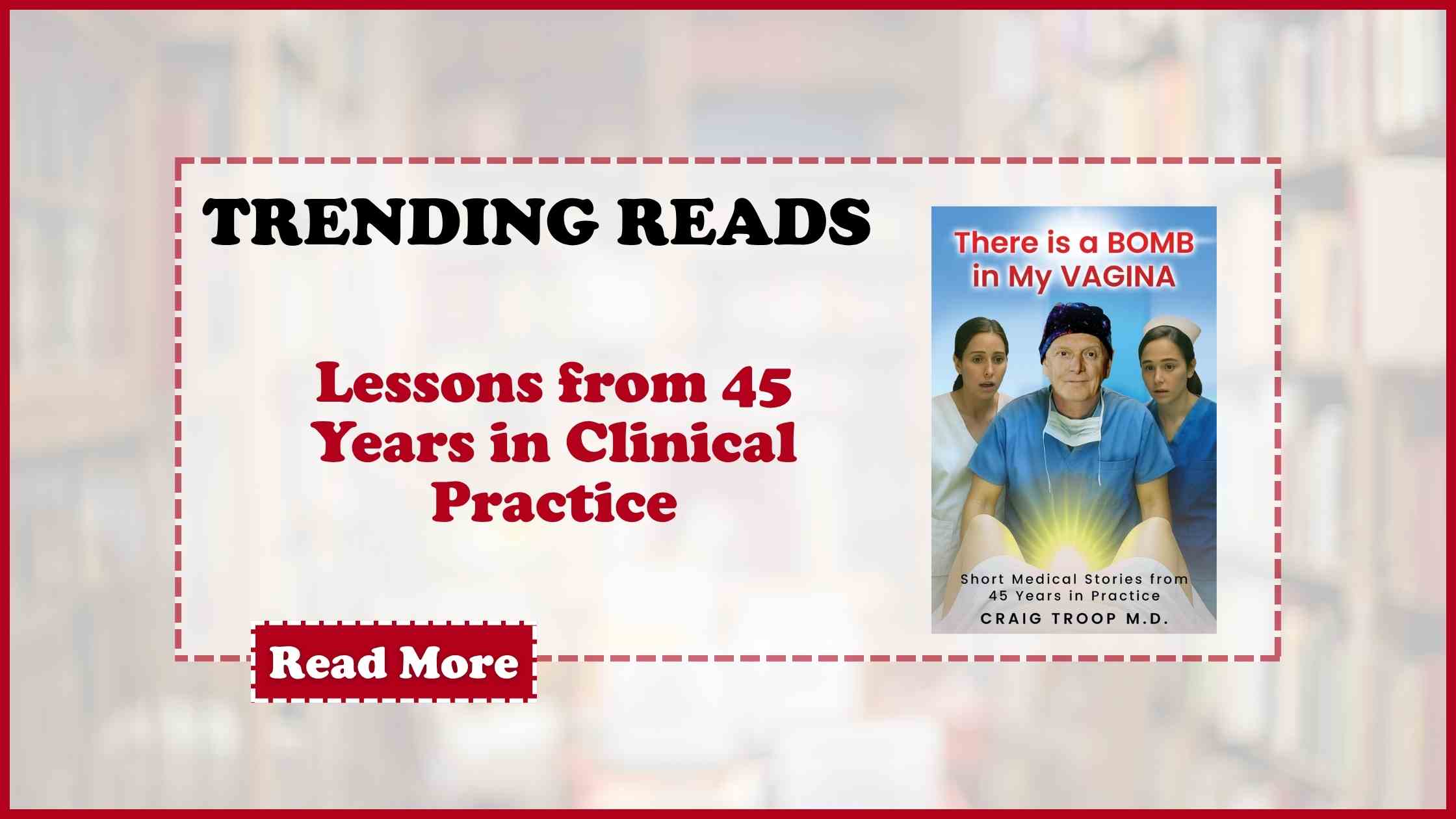
All of these lessons, shaped over decades, come together in There is a Bomb in My Vagina: Short Medical Stories from 45 Years in Practice by Craig A. Troop M.D. This collection brings readers into the realities of clinical life, where every story carries insight drawn from real experience.
The book does not present abstract ideas. It offers lived moments. Encounters that are unusual, thought-provoking, and at times astonishing. Through these stories, readers gain a deeper understanding of what it truly means to practice medicine over a lifetime.
For those interested in the human side of healthcare, this work stands as both a reflection and a record. It captures the lessons that only time and experience can teach, revealing a profession that is as complex as the people it serves.
Get Your Copy On Amazon: https://www.amazon.com/dp/196964446X/