Is your teen struggling with depression? What are the signs? Or how do you know when your teen is struggling with more than just a bad mood? When does normal teenage behavior cross into something deeper and more concerning?
Many parents miss the early signs of teen depression because they do not always look the way we expect. Because depression does not always show up as constant sadness or tears, often, it hides behind behavior that feels confusing, frustrating, or even dismissible. Understanding these quieter signs can help parents respond with compassion rather than fear.
Changes in Personality That Feel Subtle at First
One of the most common missed signs is a slow shift in personality. A teen who was once talkative may become withdrawn. A teen who enjoyed family time may suddenly prefer isolation. These changes can happen gradually, making them easy to overlook.
Parents may assume their teen is just growing up or becoming more independent. While some distance is normal, persistent withdrawal is often a sign that something deeper is happening internally.
Irritability Instead of Sadness
Teen depression does not always look like crying. For many teens, it shows up as irritability, anger, or frequent frustration. Small things may trigger intense reactions. Your teen may seem constantly annoyed or defensive.
This behavior is often misunderstood as attitude or disrespect. In reality, irritability can be a sign of emotional overload and internal distress.
Loss of Interest in Things They Once Loved
When a teen slowly loses interest in hobbies, friendships, or activities they once cared about, it can signal depression. This loss may not happen all at once. They may still participate occasionally, but without enthusiasm.
Parents often assume their teen is just bored or distracted. When disinterest becomes consistent and long lasting, it is worth paying attention.
Changes in Sleep and Energy
Sleeping too much or struggling to sleep at all are both common signs of depression. A teen may seem constantly tired, even after long periods of rest. Mornings may feel especially difficult.
Fatigue can easily be blamed on school stress or screen time. When exhaustion becomes constant, it often reflects emotional strain rather than physical tiredness.
Increased Sensitivity and Self Criticism
Depressed teens are often extremely hard on themselves. They may speak negatively about their worth, intelligence, or future. Even gentle feedback can feel overwhelming to them.
Parents may try to reassure or correct these thoughts, but the underlying pain often needs understanding before reassurance can be effective.
Avoidance of Conversations
When teens avoid talking altogether or shut down when asked how they feel, it can be a protective response. They may not have the words to explain what is happening inside, or they may fear being misunderstood.
Silence is not always defiance. Sometimes it is a sign that your teen feels overwhelmed and unsure how to communicate.
Trusting Your Instincts as a Parent
If something feels off, it probably is. Parents often sense changes before they can explain them. Trusting that instinct does not mean assuming the worst. It means staying curious, attentive, and compassionate. Early awareness allows space for support before depression deepens.
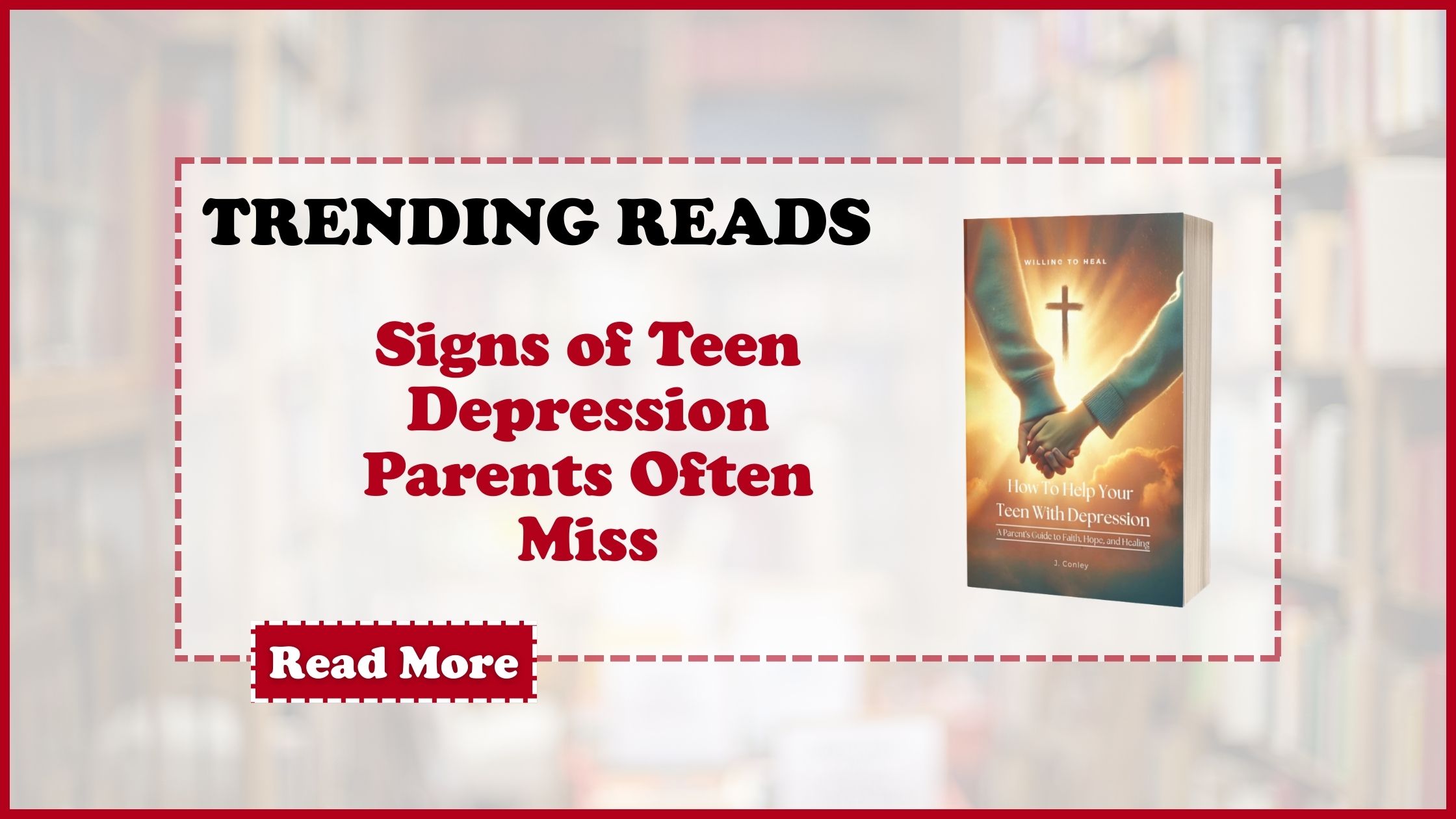
If you are looking for gentle guidance written from a parent’s perspective, How To Help Your Teen With Depression: A Parent’s Guide to Faith, Hope, and Healing by Judith Conley offers reassurance, insight, and encouragement grounded in lived experience. Drawing from her own lived experience as a mother, Judith offers gentle guidance rooted in faith, patience, and understanding rather than judgment or quick fixes. This book acknowledges the fear, exhaustion, and helplessness many parents feel, while reminding them that they are not alone and that healing is a journey that unfolds one step at a time. With a thoughtful balance of emotional support, spiritual reflection, and practical encouragement, the book shows how faith and professional help can work together, and how love, presence, and hope can remain steady even in the darkest seasons. It serves as a reassuring companion for parents who want to walk beside their teen with compassion, courage, and enduring hope.
Head to Amazon to purchase your copy. https://www.amazon.com/dp/B0GHQDNVQS/.
You can also explore additional support and resources at https://willingtoheal.com/
At WillingToHeal.com, readers are welcomed into a faith-filled space created by Judith Conley, an author and mother who has walked through the valley of teen depression, including the unique challenges that can arise when autism spectrum disorder and depression intersect, and who continues to stand in hope. Through https://willingtoheal.com, parents can access faith based encouragement, compassionate insight, and thoughtfully developed resources created specifically for those supporting a struggling teen.