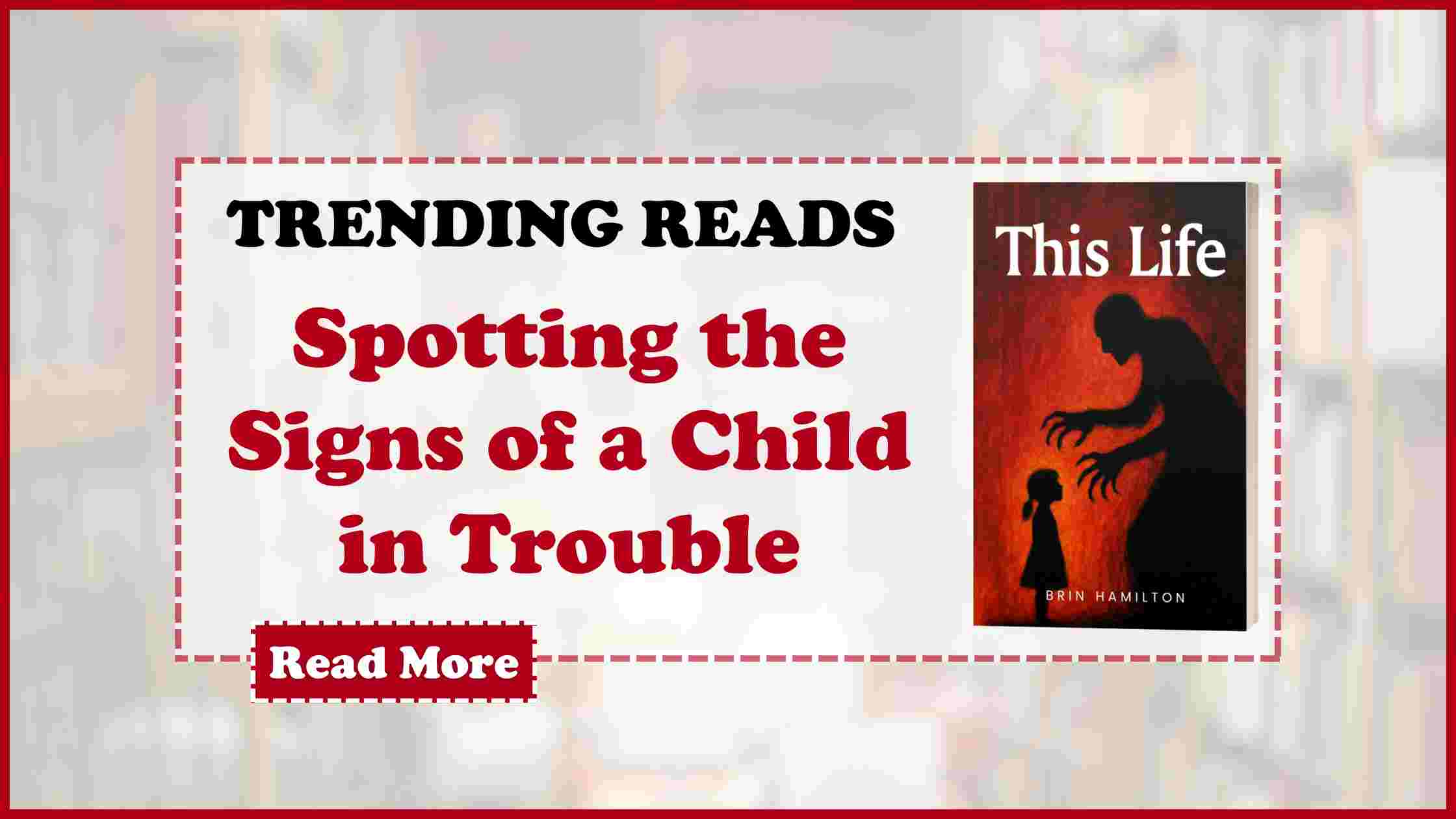
Children rarely come out and say they are in trouble. More often, they show it through their behavior, their silence, or small details that an observant adult might notice. In This Life by Brin Hamilton, Miss Newton, a schoolteacher, played a key role in recognizing that something was wrong with Callie. Her concern highlights that teachers, social workers, and community leaders can be the first line of defense in protecting vulnerable children.
Many children, like Callie, become skilled at hiding their struggles. They may fear punishment, feel ashamed, or believe that no one will listen. That is why adults who work with children must be alert to patterns that suggest deeper issues.
One clear sign is consistent neglect of basic needs. Callie often appeared underweight, unkempt, and exhausted. Educators should pay attention to children who arrive at school hungry, wearing dirty clothes, or appearing regularly unwell. While one instance might not mean much, repeated signs should raise concern.
Behavioral changes are another signal. Children experiencing trauma may swing between aggression and withdrawal. In the book, Callie lashed out at her classmates and swore at teachers, not because she was inherently defiant but because she was carrying the weight of chaos at home. Research shows that difficult behavior in children can often be a cry for help rather than simple misbehavior.
Emotional signs are often subtle but important. A child may avoid eye contact, appear anxious in certain settings, or seem fearful of going home. They may lack trust in adults or find it hard to form friendships. Miss Newton noticed that Callie’s responses in school did not match those of her peers and followed her instincts to check in. Her role illustrates the importance of taking gut feelings seriously.
Another indicator can be inconsistent attendance. Neglectful or chaotic households often fail to prioritize school, leading children to miss days without explanation. When children are repeatedly absent, schools and community leaders should consider whether something more serious is happening beyond the surface.
So, what can adults do when they spot these signs? The first step is to listen. Children need to know that someone cares enough to hear them without judgment. Creating a safe space for a child to speak is often the beginning of change. The second step is to report concerns to the proper channels, whether that is social services, safeguarding officers, or trusted community networks. Even if evidence seems limited, raising concerns may prevent greater harm.
Training is also essential. Teachers, youth leaders, and social workers must receive ongoing education about child protection. Knowing what neglect and abuse can look like in practice helps them act with confidence. In Callie’s story, Miss Newton was hesitant at times, but her persistence made her one of the few adults who consistently tried to help.
Finally, it is important to remember that spotting signs of trouble is not about labeling children. It is about recognizing that behind every behavior is a story. Children who are difficult, quiet, or distant are not problems to be managed but people who may need compassion and intervention.
Callie’s story is fictionalized but grounded in reality. There are many “Callies” in classrooms and neighborhoods today. By paying attention, trusting our instincts, and taking action, educators and community members can make a life-changing difference. Spotting the signs may seem small, but to a child in trouble, it can mean the difference between despair and hope.
Read This Life for more information and understanding. https://www.amazon.com/dp/1969644818