Many people think real estate investing begins the moment they find a promising property. In reality, some of the most important decisions happen long before an offer is made. Successful investing starts with preparation, financial awareness, realistic expectations and the discipline to walk away when the numbers do not make sense.
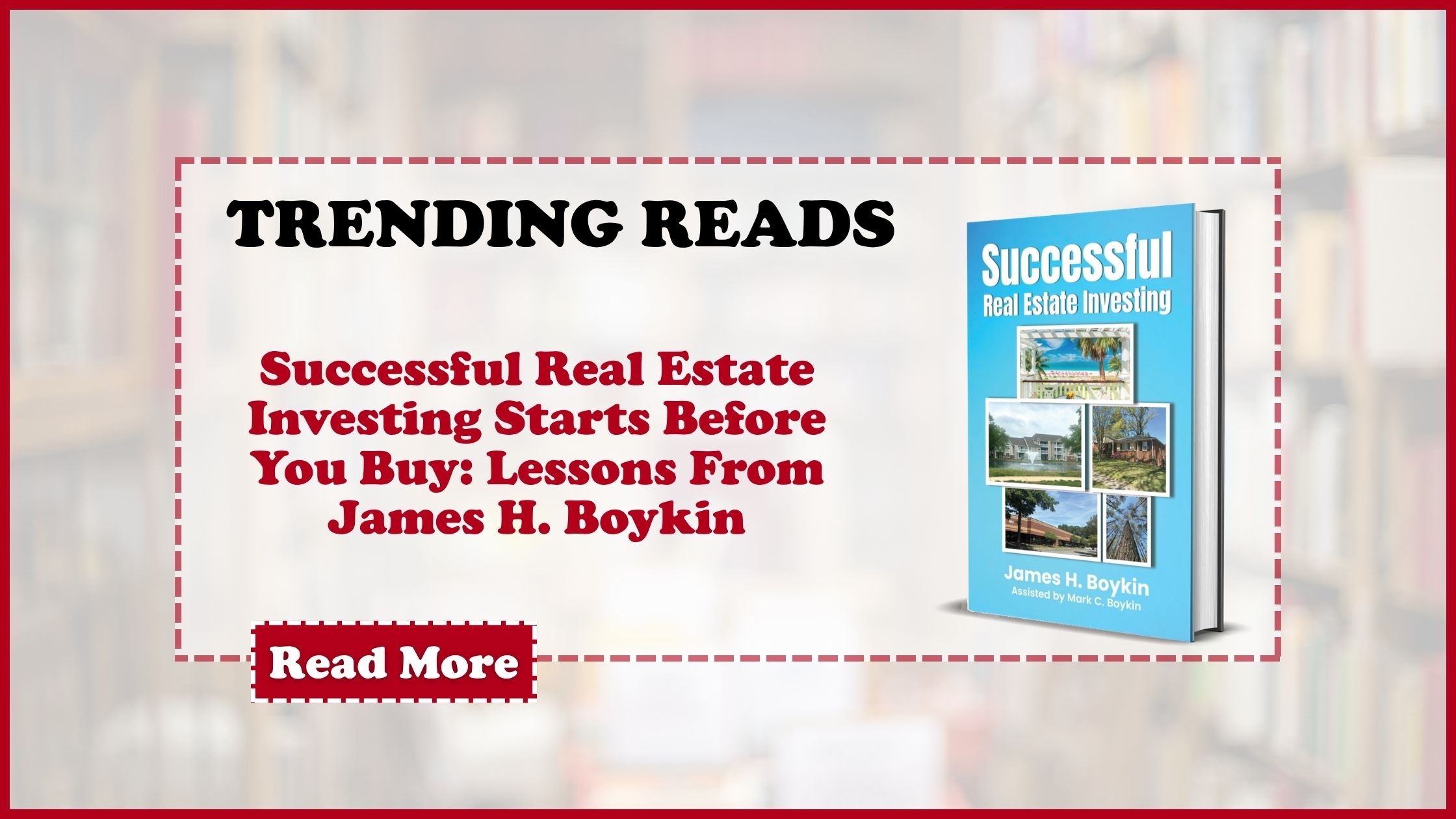
That practical philosophy sits at the heart of Successful Real Estate Investing by James H. Boykin, a detailed guide designed to help readers approach property ownership with greater knowledge and fewer assumptions.
Define What You Want Before Chasing a Deal
A property should not become an investment simply because it looks attractive or appears affordable. Boykin encourages investors to first establish clear, achievable financial goals and consider how a prospective property fits into their wider investment plans.
Investors should ask what they expect the property to accomplish. Will it generate rental income? Build long-term equity? Complement other investments? Or could the purchase stretch finances so far that other obligations become difficult to manage?
Boykin emphasizes the importance of putting investment goals on paper and thinking beyond the immediate purchase toward future financial objectives.
Learn to Separate Opportunity From Emotion
Excitement can be dangerous when large sums of money are involved. A property may have beautiful architecture, an appealing neighborhood or impressive income projections, but none of those qualities should replace objective analysis.
Boykin warns investors not to allow ego or emotional attachment to outweigh the facts. He also cautions against overly optimistic rent projections and underestimated expenses. Successful investors need room in their calculations for repairs, vacancies, economic downturns and unexpected costs.
That conservative mindset can make the difference between an investment that survives difficult periods and one that becomes a financial burden.
Buying Right Matters From Day One
One of the book’s strongest principles is simple: the profitability of a future sale often depends heavily on the price paid at the beginning.
Boykin explains that purchasing at a favorable price creates a financial cushion and improves the investor’s chances of realizing a meaningful profit later.
However, a low asking price does not automatically mean a bargain. Poor construction, excessive renovation costs, weak locations or declining neighborhoods can transform an inexpensive property into an expensive mistake. Investors therefore need to consider acquisition cost, repair expenses, marketability and potential resale value together.
Due Diligence Is Part of the Investment
Successful investors also know what they do not know.
Boykin recommends researching the property and market thoroughly while relying on qualified professionals when necessary. Inspectors, contractors, appraisers, attorneys and other specialists may uncover structural, financial, legal or environmental problems that are difficult for an inexperienced investor to recognize.
Saving a small amount by skipping professional advice can ultimately create much larger costs.
Build Knowledge Before Building a Portfolio
Successful Real Estate Investing goes far beyond simply telling readers to buy property and wait for appreciation. James H. Boykin explores financial analysis, financing, negotiation, leasing, risk protection, passive investing, flipping, apartments, flex space, vacation homes, timberland and other investment strategies.
For anyone interested in approaching real estate with greater discipline and practical understanding, the message is clear: success does not begin when you sign the purchase agreement.
It begins when you prepare to make the right decision.
Discover more practical real estate investing guidance in Successful Real Estate Investing by James H. Boykin.
Read the book on Amazon: https://a.co/d/0gjvN7zf