“I learned early that when life gets chaotic, and everybody is too busy surviving, that’s when you see who people really are. We always had family around growing up, and I spent so much time with my aunts on both sides of the family. Even though I always felt tugged between two worlds, I loved being around them. My real aunts were warm, loud, loving women who made you feel wanted the second you walked into a room. Big family dinners, cookouts, and doing everything together were normal to me, so when Mom introduced me to her sisters, and I immediately felt uneasy Inside you is screaming to run, even when you don’t understand it yet. Stephanie and her husband, John, especially made me nervous in a way I could never explain. Still, they had kids around my age, and honestly, I was excited. Desperate, really. I wanted somebody—anybody. I wanted friends, connection, something that made me feel seen instead of like the forgotten extra in everybody else’s life. Their daughter was exactly three months older than I was. Maybe now somebody beside the mirror in my bedroom that I sang to every day would notice me, too.”
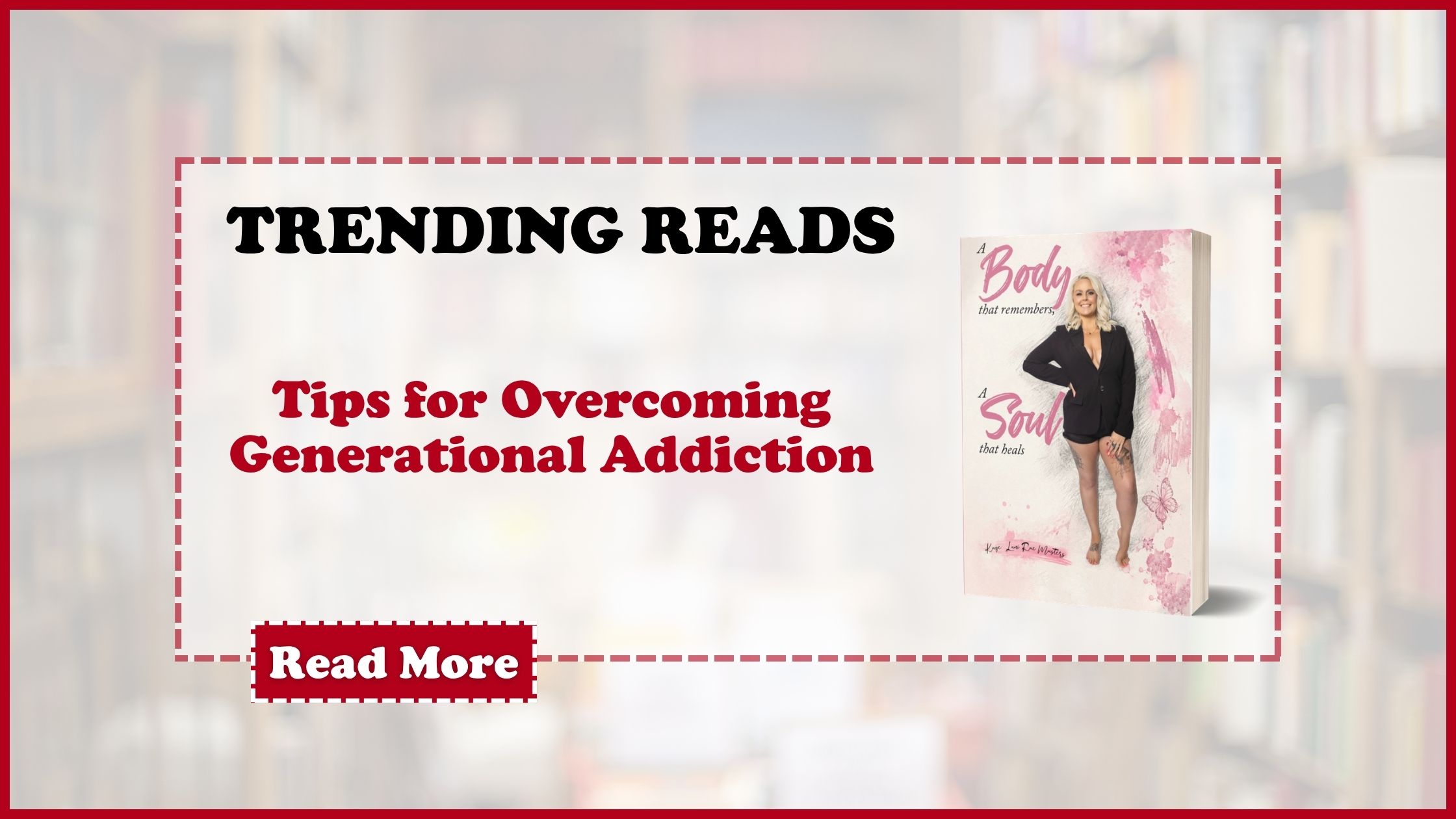
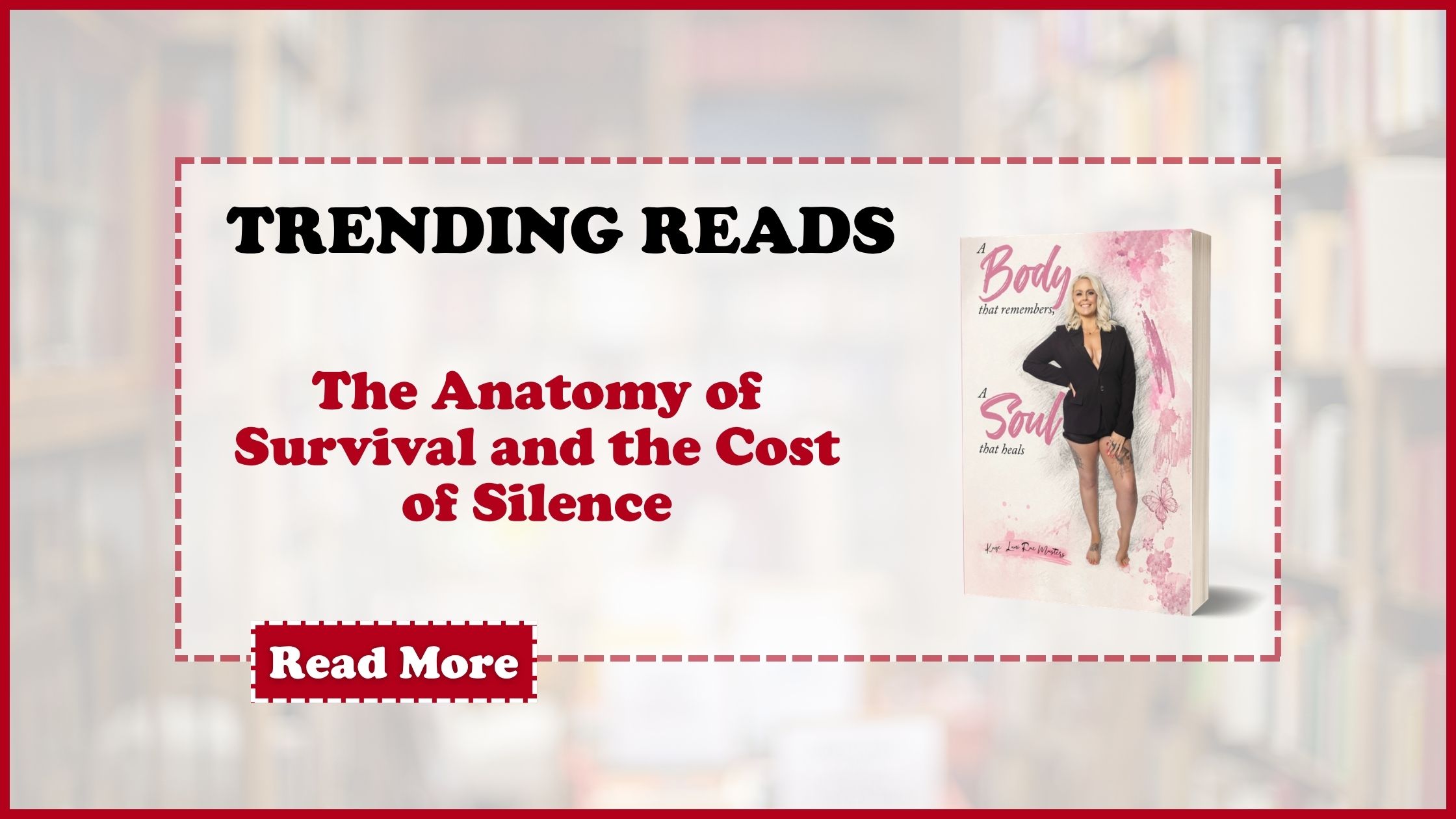
Life in the margins rarely begins with a singular catastrophe. Instead, it creeps in through the cracks of everyday chaos, where children are left to interpret adult spaces long before they have the language to name what is happening to them. In her devastatingly honest and deeply courageous memoir, A Body That Remembers, A Soul That Heals, Kaye-Lani Masters offers readers an unvarnished look into a childhood fractured by instability. The book discusses generational addiction and a profound, aching loneliness and recounts trauma from a detached bird’s-eye view. It further plunges the reader directly into the sensory, visceral reality of a young girl trying to decode danger while desperately yearning for connection.
Masters sets the stage by chronicling her early years, caught between conflicting family dynamics and the confusing introduction of new figures who claimed a kinship her instincts immediately rejected. The memoir brilliantly captures the psychological tug-of-war familiar to many survivors of childhood trauma: the desperate need to belong overriding the body’s internal alarm system. When introduced to new relatives like Stephanie and Rhonda, the author describes a reaction that predates conscious thought—a sick feeling deep in the stomach, a primal urge to run. Yet, because loneliness is a heavier burden for a child than suspicion, that very isolation paves the way for dangerous compromises. The writing shines in these moments of vulnerability, illustrating how a simple desire for friendship and to be seen can blind a young mind to predatory environments.
As the narrative progresses, Masters traces the tragic, predictable pipeline from childhood confusion to adolescent self-medication. The shadow of toxic environments and parental alcoholism looms large, shaping an inheritance of maladaptive coping mechanisms. With stark honesty, the author addresses her turn to alcohol as a desperate attempt to quiet the consuming words of judges and abusers, mimicking behaviors learned straight from her upbringing. Drinking became a distorted physics of survival and, for her, a way to spin at the same frantic speed as a world that felt entirely out of control. The memoir refuses to offer neat, comforting resolutions or sugarcoat its author’s flaws. Instead, it exposes how adults who should have protected her, such as relatives actively enabling underage drinking, became complicit in her downward spiral.
What makes A Body That Remembers, A Soul That Heals an essential read is its fierce commitment to emotional truth. Masters writes as a woman reclaiming her history, dissecting how trauma settles into the physical body and echoes across decades. The prose is raw, pulsing with the urgency of someone who has stared down the darkest aspects of humanity and lived to tell the tale. It is a testament to the resilience of the human spirit, proving that healing does not begin when the pain stops, but the moment we choose to look our reality square in the eye and refuse to stay silent any longer.
Read the book on Amazon: https://a.co/d/00poVLYW