Germany’s reunification in 1990 marked the beginning of a transformative period for the nation, particularly in the fields of science and technology. The merging of East and West Germany brought together different scientific traditions, technological advancements, and research infrastructures, creating unique challenges and opportunities. This article explores the dynamic interplay of science and technology in post-reunification Germany and how it shaped the country’s path toward becoming a global leader in innovation.
The Legacy of a Divided Germany
Before reunification, East and West Germany had developed distinct scientific and technological landscapes. West Germany, under a capitalist system, emphasized industrial research, technological innovation, and international collaboration. The country’s scientific institutions were well-funded, and its researchers were connected to the global scientific community. In contrast, East Germany, under a socialist regime, focused on state-driven research with limited resources and isolation from Western scientific networks. Despite these challenges, East Germany excelled in certain areas, such as optics and environmental technology.
Integration of Research Institutions
One of the most significant challenges following reunification was the integration of the two countries’ research institutions. The newly united Germany had to harmonize different research cultures, funding mechanisms, and educational systems. Many East German research institutes were restructured, merged, or closed, leading to a significant reorganization of the scientific landscape. However, this integration also brought together diverse expertise and fostered collaboration between scientists from both sides, leading to new synergies and innovations.
Advancements in Technology and Innovation
The reunification period coincided with rapid advancements in technology, particularly in areas like information technology, biotechnology, and renewable energy. Germany leveraged its strong industrial base and scientific expertise to become a leader in these fields. The government played a crucial role in supporting technological innovation through funding, infrastructure development, and fostering partnerships between academia and industry. The reunified Germany’s commitment to research and development (R&D) helped drive its economic growth and positioned it as a key player in the global technology market.
Impact on Society and Economy
The interplay of science and technology in post-reunification Germany had profound impacts on society and the economy. Technological innovations improved the quality of life, enhanced communication, and contributed to environmental sustainability. The country’s focus on R&D also created high-skilled jobs and attracted international talent, further strengthening its scientific and technological capabilities. Moreover, Germany’s success in integrating its scientific community and advancing technology served as a model for other nations undergoing similar transitions.
Conclusion
The reunification of Germany was more than a political event; it was a catalyst for scientific and technological progress. By successfully integrating diverse research traditions and embracing new technologies, post-reunification Germany transformed into a global leader in innovation. The blending of East and West German scientific traditions not only strengthened the nation’s research capabilities but also paved the way for groundbreaking advancements in various fields. This period of integration and collaboration set the stage for Germany’s continued success in science and technology, making it a powerhouse in the global arena. The reunification process demonstrated the power of unity and shared knowledge, showing that when diverse expertise comes together, it can lead to significant societal and economic progress. Today, Germany’s experience serves as an inspiring example of how science and technology can thrive through cooperation and adaptability.
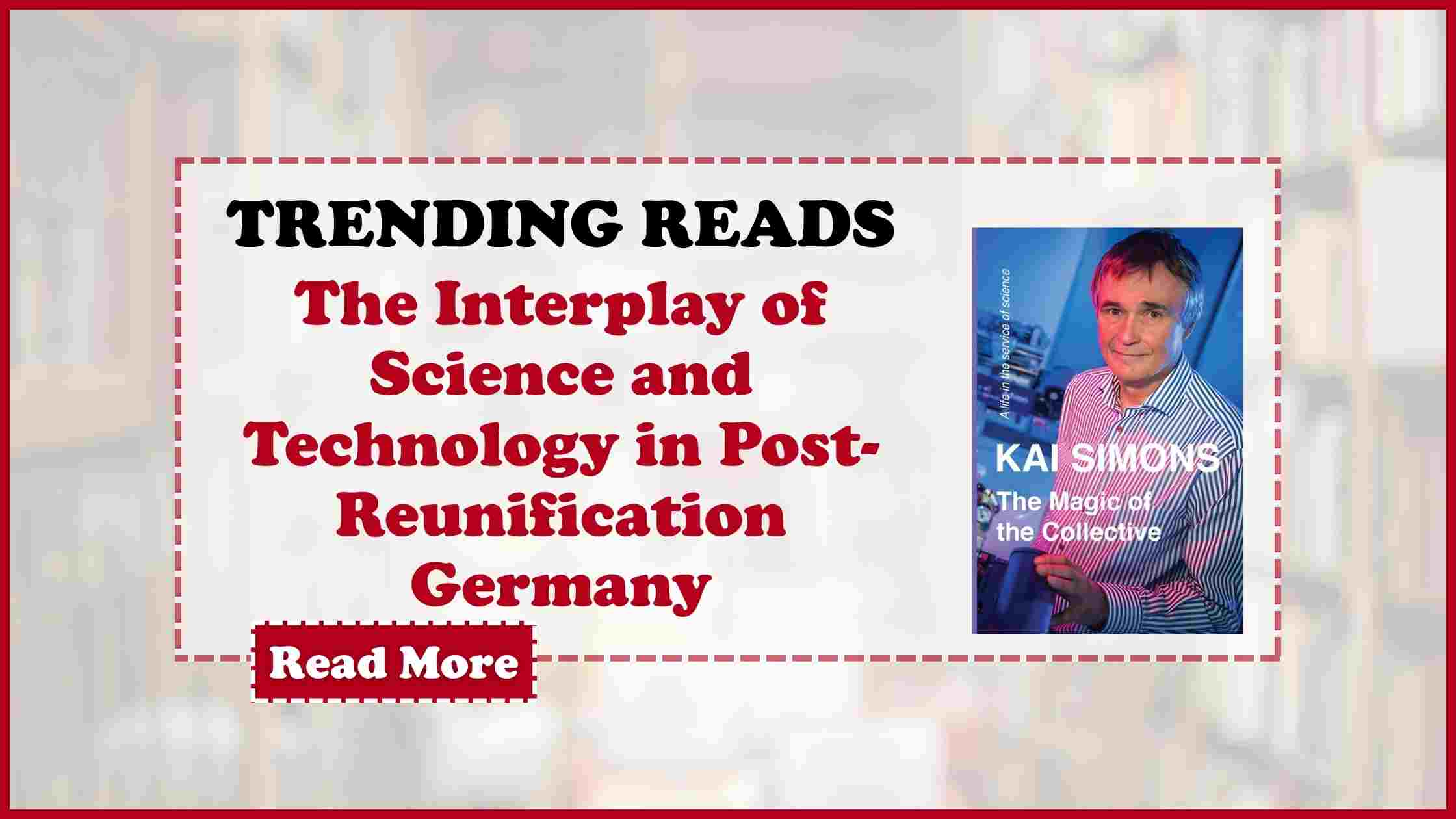
Explore the fascinating evolution of science and technology in post-reunification Germany with Kai Simons’ The Magic of the Collective: A Life in the Service of Science. This insightful memoir delves into how the integration of East and West German research landscapes spurred innovation and transformed the nation’s scientific and technological advancements. Simons’ reflections offer a unique perspective on the challenges and successes of merging diverse scientific traditions. Discover how this pivotal period shaped Germany’s global leadership in research and technology. Don’t miss out on this compelling account—order your copy today from here: https://www.amazon.com/dp/1917007027/ , and gain a deeper understanding of scientific progress!