Fantasy often begins as an escape. It offers freedom, power, and a break from the limitations of real life. For many characters in modern fiction, stepping into a magical or game driven world is a way to avoid pain, confusion, or loss. But what happens when that escape no longer remains separate? What happens when the fantasy begins to demand something in return?
That is where the narrative shifts from comfort to conclusion.
In stories where fantasy carries real weight, the rules change quickly. The world is no longer a playground. It becomes a system with structure, expectations, and risks. Characters who once explored for curiosity or relief are forced to face the reality that their choices matter. Every action begins to ripple outward, affecting not just themselves but others around them.
Responsibility enters quietly at first. It may come in the form of a mission, a role, or a realization that someone else depends on them. What once felt optional becomes necessary. The character can no longer log out, walk away, or ignore the stakes. The fantasy begins to look like real life in one crucial way: there are consequences that cannot be undone.
This transformation is especially powerful because it challenges the original purpose of the escape. If a character entered the fantasy world to avoid responsibility, they are now faced with even greater responsibility within it. The very thing that offered freedom now requires discipline, sacrifice, and difficult decisions.
This shift often reveals the true nature of the character. Power alone does not define a hero. It is how that power is used under pressure that matters. When faced with responsibility, characters must choose between self-interest and something greater. They must decide whether to remain passive participants or become active protectors of the world they once treated as an escape.
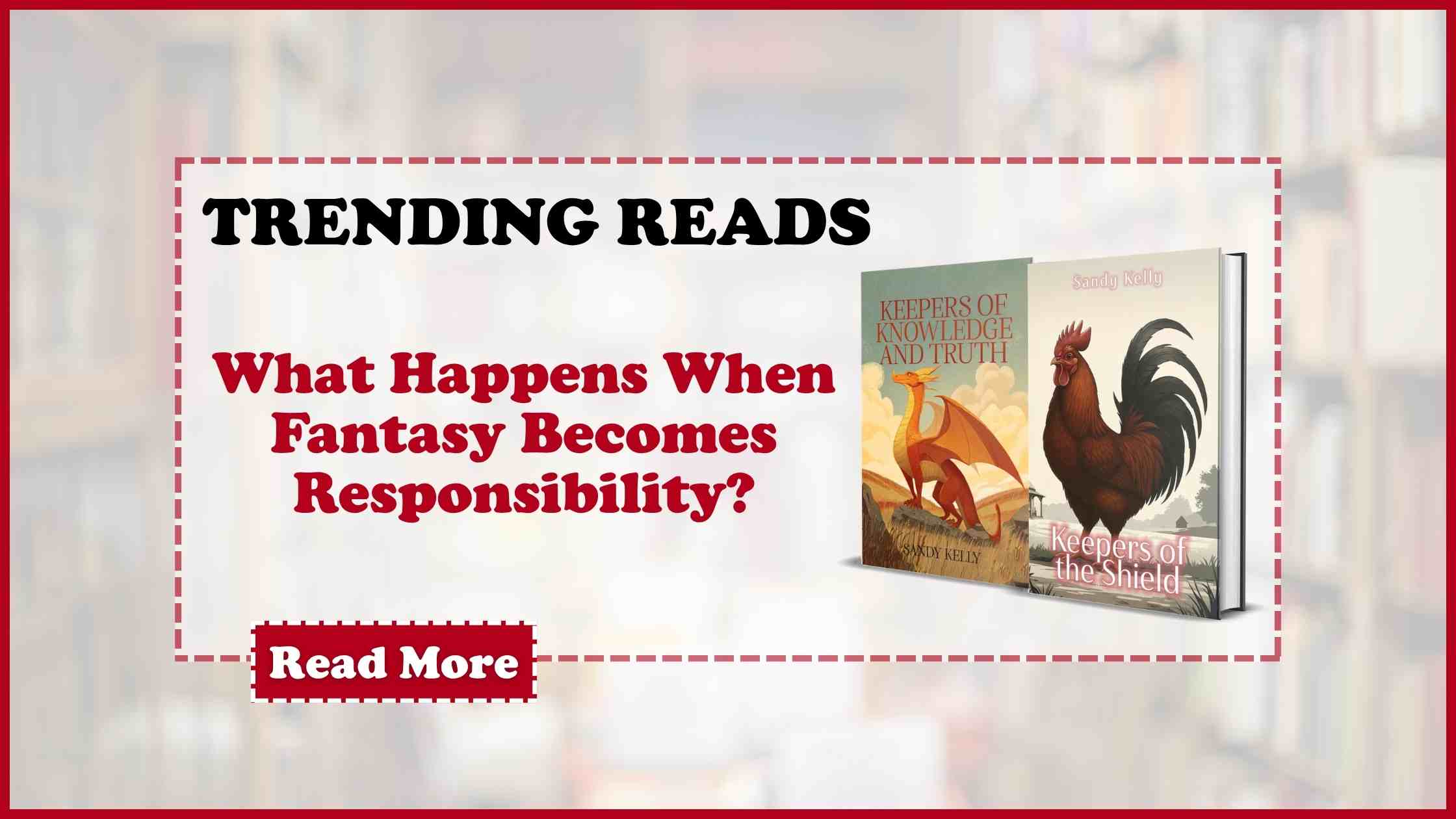
In Keepers of the Shield and Keeper of the knowledge and truth he Shield by Sandy Kelly, this transition is handled with clarity and emotional weight. Jesse Finch begins his journey seeking relief from a life that feels restrictive and overwhelming. The game offers him control, excitement, and a sense of belonging that is missing in his real world. But as the story unfolds, it becomes clear that this world is not just a game. It is a living system that requires guardians, discipline, and courage.
Training becomes more than practice. It becomes survival. Skills are no longer optional. They are essential. The relationships he builds are not temporary alliances. They are bonds that carry trust and expectation. As he grows stronger, the burden of responsibility grows with him.
What makes this journey compelling is that Jesse cannot remain divided between who he is and who he becomes. The responsibility forces integration. He must carry the lessons, the discipline, and the courage from the fantasy world back into himself. Avoidance is no longer an option. Growth becomes unavoidable.
This is where fantasy reaches its highest impact. It stops being an illusion and starts becoming a catalyst. It shapes identity, tests values, and forces change. The character returns not as someone who escaped reality, but as someone better equipped to face it.
Keepers of the Shield and Keeper of the knowledge and truth capture this transformation with precision, showing that the true power of fantasy lies not in escaping the world, but in learning how to stand stronger within it.
Keepers of the Shield: https://www.amazon.com/dp/B0FJZPGKDJ.
Keepers of Knowledge and Truth: https://www.amazon.com/dp/B0FWLC7BN9