For a family that has worked the same land for generations, a field is never just a field. It can represent food on the table, years of labor, family history, financial security, and the belief that home is one place where the outside world cannot reach you.
That belief can disappear in a single night.
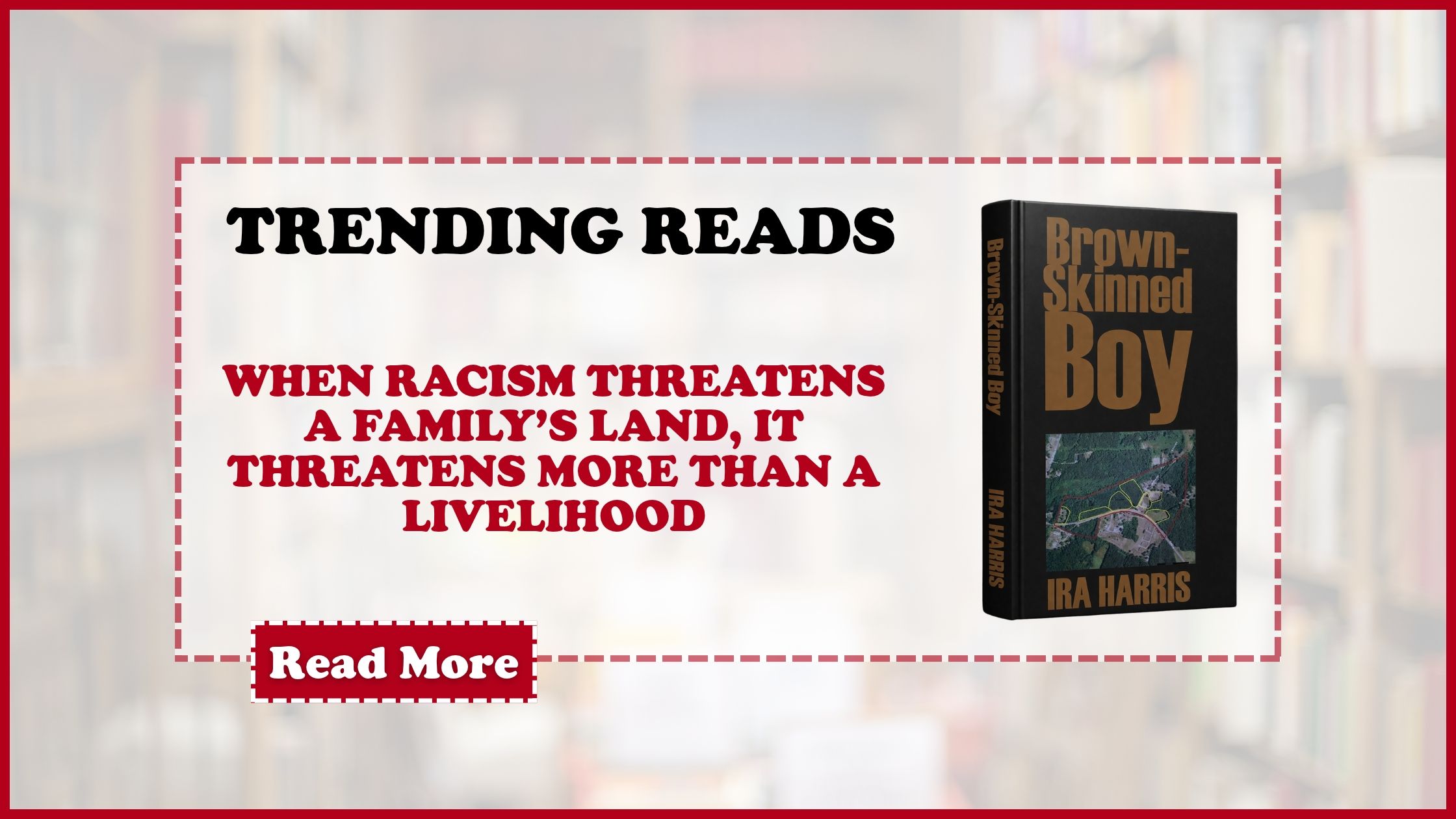
In Brown-Skinned Boy, racial hostility surrounding school integration does not remain inside the walls of Franklin High. It reaches the narrator’s family farm, where fields cultivated by his grandfather and family are destroyed by fire. The damage comes close to harvest, turning an act of intimidation into an immediate financial threat.
The loss illustrates something important about racism: its consequences are rarely confined to the person directly targeted.
For Ira Harris, the destroyed fields carry an emotional weight beyond their monetary value. The farm had represented familiarity and safety. Seeing smoke rising from land his family had worked forces him to confront the possibility that even home cannot protect them from racial hostility.
That change in perception matters. When people no longer feel secure in their homes, the damage cannot be calculated simply by adding up lost crops or property. Fear begins influencing sleep, relationships, decisions, and expectations about what might happen next.
The family also faces practical consequences. Because the fire occurs near harvest, they suffer financially and consider how they will stay afloat. Selling productive land could reduce their future output, while damaged acreage has little appeal to potential buyers.
In Brown-Skinned Boy, the incident is not presented as an isolated hardship affecting only one household. Other Black families whose children attend Franklin also experience fires, while their names and addresses have been publicly circulated. The narrator describes authorities as offering little meaningful protection or investigation.
This reveals how intimidation can spread through a community. Neighbors may become cautious about offering support because they fear attracting attention themselves. Families already carrying financial burdens must now calculate the possible cost of simply standing together.
For Ira Harris, there is another painful burden: wondering whether his decision to remain at Franklin has endangered the people he loves. A child confronting racism at school is suddenly forced to think about destroyed crops, family finances, and whether the next attack might reach the house itself.
That is far too much responsibility for any child to carry.
Yet the family continues. His mother’s response is practical: they will do what they need to do. Their persistence does not erase what happened, nor does it make the loss acceptable. Instead, it demonstrates how resilience often exists alongside fear, grief, and economic uncertainty.
The experience in Brown-Skinned Boy offers a broader way of understanding racial intimidation. When hatred targets a family’s property, it can attack livelihood, security, memory, and belonging at the same time.
Land can be replanted. Financial losses may eventually be recovered. But when people are made to fear the place they call home, the harm reaches much deeper. Recognizing that human cost is essential to understanding why attacks on property can never be measured by property alone.
Discover the Story Behind the Struggle
What happens when racial hatred reaches beyond the classroom and threatens a family’s home, livelihood, and sense of security? Brown-Skinned Boy by Ira Harris explores the deeply human consequences of racism through experiences of family, fear, resilience, and the fight to preserve dignity.
Discover Brown-Skinned Boy by Ira Harris and explore a personal story of perseverance in the face of racial injustice.
Get Your Copy Today on Amazon:
https://www.amazon.com/dp/B0BZFZZ219