Some people become so accustomed to caring for others that they forget what it feels like to be cared for themselves. They can respond calmly to emergencies, comfort strangers, and carry enormous responsibilities. Yet when their own lives fall apart, accepting help can feel more frightening than facing another crisis.
For caregivers who have experienced trauma, independence can become more than a personal strength. It can become a form of protection.
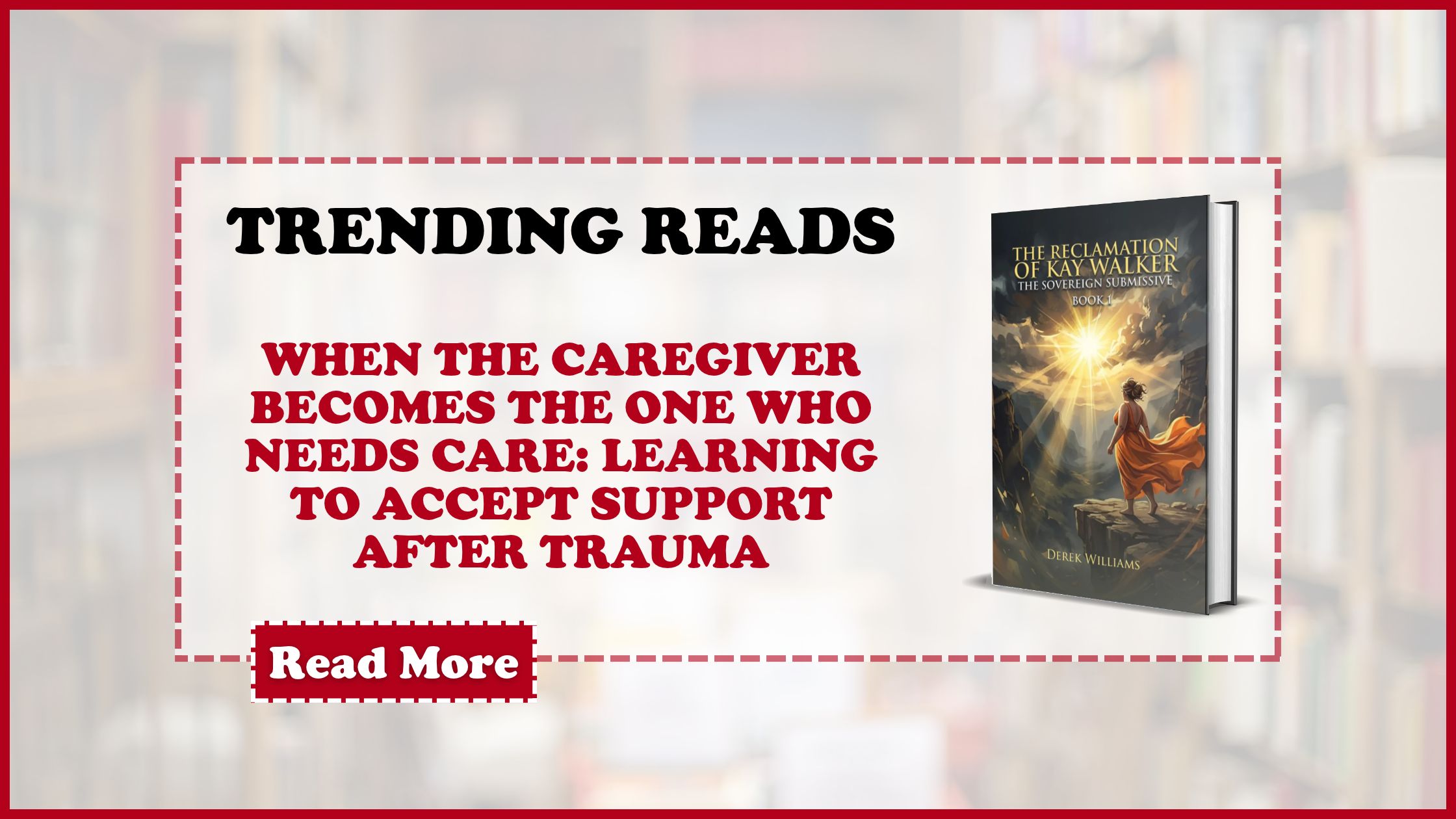
This emotional contradiction lies at the heart of The Reclamation of Kay Walker by Derek Williams, where an emergency medical professional struggles to reconcile her ability to save others with her difficulty accepting compassion for herself.
When Strength Becomes a Burden
Kay Walker is accustomed to functioning under pressure. As an emergency medical worker, she handles traumatic situations with practiced professionalism. Outside work, however, she carries the emotional consequences of an abusive marriage, financial hardship, loneliness, and persistent self-doubt.
Her professional competence cannot silence the painful beliefs she has developed about herself.
This distinction matters because being capable does not mean being emotionally unaffected. Someone may perform demanding responsibilities while privately struggling with grief, fear, or the expectation that others will eventually abandon them.
In The Reclamation of Kay Walker, Kay’s difficulty is not simply finding someone willing to help. It is learning to believe that receiving help does not make her a burden.
The Vulnerability of Receiving Care
A devastating ambulance accident changes Kay’s circumstances. She suffers serious injuries, and her colleague Miller dies. Suddenly, the person accustomed to assisting patients becomes a patient herself.
Her recovery requires physical assistance, emotional support, and adjustments to everyday life.
Joe, his children, and others within their family circle become important sources of support. Their involvement extends beyond comforting words to practical responsibilities, including meals, transportation, financial concerns, and creating a suitable environment for recovery.
Yet accepting these gestures challenges Kay’s deeply rooted insecurities.
Derek Williams presents this struggle through a character who fears that needing assistance will eventually make her unwanted. Her circumstances reveal how difficult receiving care can become when previous relationships have connected vulnerability with humiliation or danger.
Recovery Requires More Than Physical Healing
Physical injuries can be measured through medical assessments and recovery milestones. Emotional recovery is often less predictable.
Kay’s experience illustrates this difference. Even as her injuries improve, grief, insecurity, and memories of earlier abuse continue to influence her thoughts.
The support surrounding her does not erase those experiences. Instead, it creates opportunities for her to participate in relationships without constantly proving her usefulness.
Over time, she begins rebuilding her professional identity while developing a stronger sense of belonging.
The broader lesson is that meaningful support should make room for both vulnerability and independence. Helping someone recover does not require taking away their identity, choices, or ambitions.
Learning That Care Can Be Shared
The emotional journey explored in The Reclamation of Kay Walker raises an important question: Who supports the person everyone else depends on?
Caregivers deserve relationships where their needs matter as much as their responsibilities.
Accepting assistance does not diminish the compassion, competence, or resilience someone has demonstrated throughout their life. It simply acknowledges that those qualities do not eliminate human needs.
Perhaps one of the most meaningful forms of strength is recognizing that being there for others and allowing others to be there for us are equally valuable parts of being human.
Read on Amazon : https://www.amazon.com/dp/B0H6NBBD54