Where did God come from? Is it rational to believe in Him and His existence?
You might be surprised to hear that millions of people reject religion and hold that science and religion are incompatible. Many people who believe in God, however, argue that it is okay to just have faith, and we should try to look at the evidence because it will potentially harm our faith.
But what does the Bible say?
The Holy Bible does not advocate blind faith. The scripture challenges us to test and prove what is true and real. It is, therefore, asking us to believe in God and look for Him through His creations.
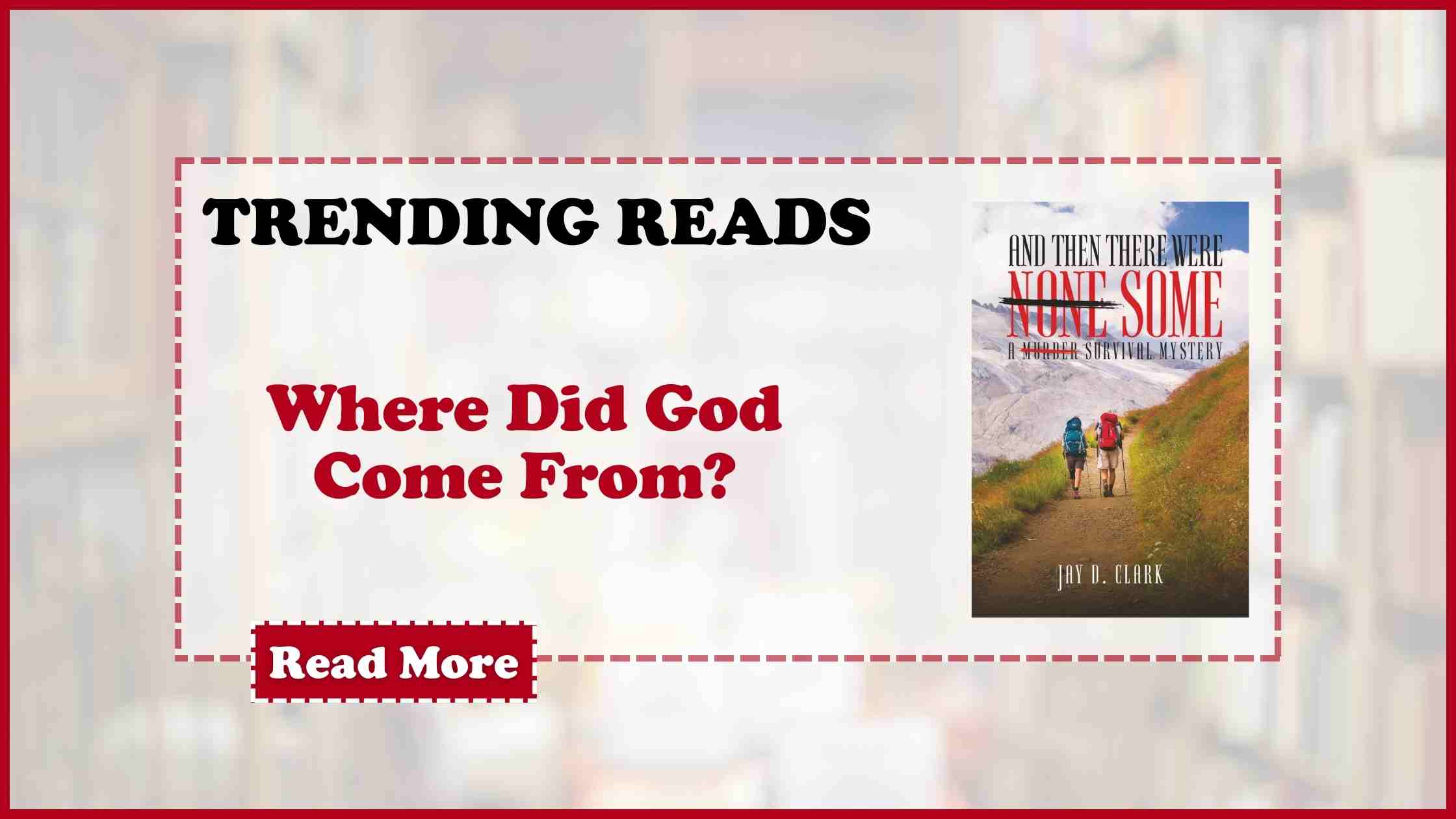
And Then There Were Some: A Survival Mystery by Jay D. Clark argues that the very methods we use to investigate the natural world— logic, reason, and evidence, actually point toward the existence of God.
Clark approaches the question of God’s existence much like a detective solving a case. Instead of relying on wishful thinking or religious dogma, he expertly gathers evidence and applies abductive reasoning to determine the most likely explanation. This will allow us to weigh competing theories and arrive at a rational conclusion to help us have a better understanding of God.
One of the book’s most compelling arguments comes from cosmology. We know that the universe had a beginning, which raises many people to question: What caused it? While naturalistic explanations rely on theories such as quantum fluctuations or multiverses, the truth is that these ideas lack empirical support. They only push the question further back. In his book, Clark demonstrates how the fine-tuning of physical constants suggests a creator, supporting his claims with evidence from science and logical reasoning. From the precise strength of gravity to the precision of the atmosphere and the Goldilocks Zone, this book makes a compelling case that the universe was created by an intelligent designer rather than random chance.
Another key argument is the origin of life. Despite decades of research, scientists have been unable to explain how life could have begun from non-living matter without intelligent guidance. For example, if we look into our DNA, the fundamental blueprint of life, it carries complex information, much like a coded message. Clark draws a parallel between DNA and human communication. He explains just as a book requires an author, the intricate design of life, our DNA, and all other aspects that support life suggest a designer.
And Then There Were Some: A Survival Mystery also explores the moral dimension of belief in God. If moral values are purely human constructs, then concepts like justice, human rights, and good and evil are subjective. However, most people intuitively believe in objective moral truths. They believe that some things are truly right or wrong regardless of culture or opinion. Clark argues that this sense of morality points to a higher moral lawgiver, reinforcing the case for God’s existence.
Moreover, And Then There Were Some does not demand blind faith. Instead, it encourages us to think critically about the evidence. The book challenges the idea that secularism has a monopoly on reason and invites us to consider whether faith in God is actually the most logical conclusion. For those who are skeptical of religious belief, Clark presents a refreshing approach—one rooted in reason, investigation, and the pursuit of truth.
Ultimately, And Then There Were Some makes a powerful case that belief in God is not only rational but the best explanation for the world we live in.
Whether you are looking for a rational basis for faith, finding God, or wanting to strengthen your faith and understanding of God, His creation, and all of the above and beyond, this book resonates with you and encourages an open-minded exploration. It urges you to approach the existence of God not just through direct observation but through evidence that, while circumstantial, leads to compelling conclusions.
In this way, this blend of faith and reason makes the book an essential read for believers and skeptics alike who want to explore the deeper questions of existence in a way that is thoughtful, accessible, and intellectually satisfying.
Get your copy on Amazon: https://www.amazon.com/dp/1917505191/.