When people think about survival, they often picture physical strength or quick decision-making. Yet, in everyday life, survival is often more emotional than physical. It shows up in how people handle stress, conflict, loss, and change. Emotional intelligence, the ability to understand and manage emotions, plays a crucial but subtle role in navigating these challenges. It helps people stay grounded when circumstances feel overwhelming.
Understanding Emotional Intelligence
Emotional intelligence involves recognizing emotions in yourself and others, responding thoughtfully, and maintaining balance under pressure. This skill supports self-awareness, empathy, and emotional regulation. For example, noticing when frustration is rising allows someone to pause rather than react impulsively. Over time, this awareness builds resilience and clearer judgment. Emotional intelligence is not about suppressing emotions, but rather understanding how they influence our actions.
Emotional Intelligence and Survival
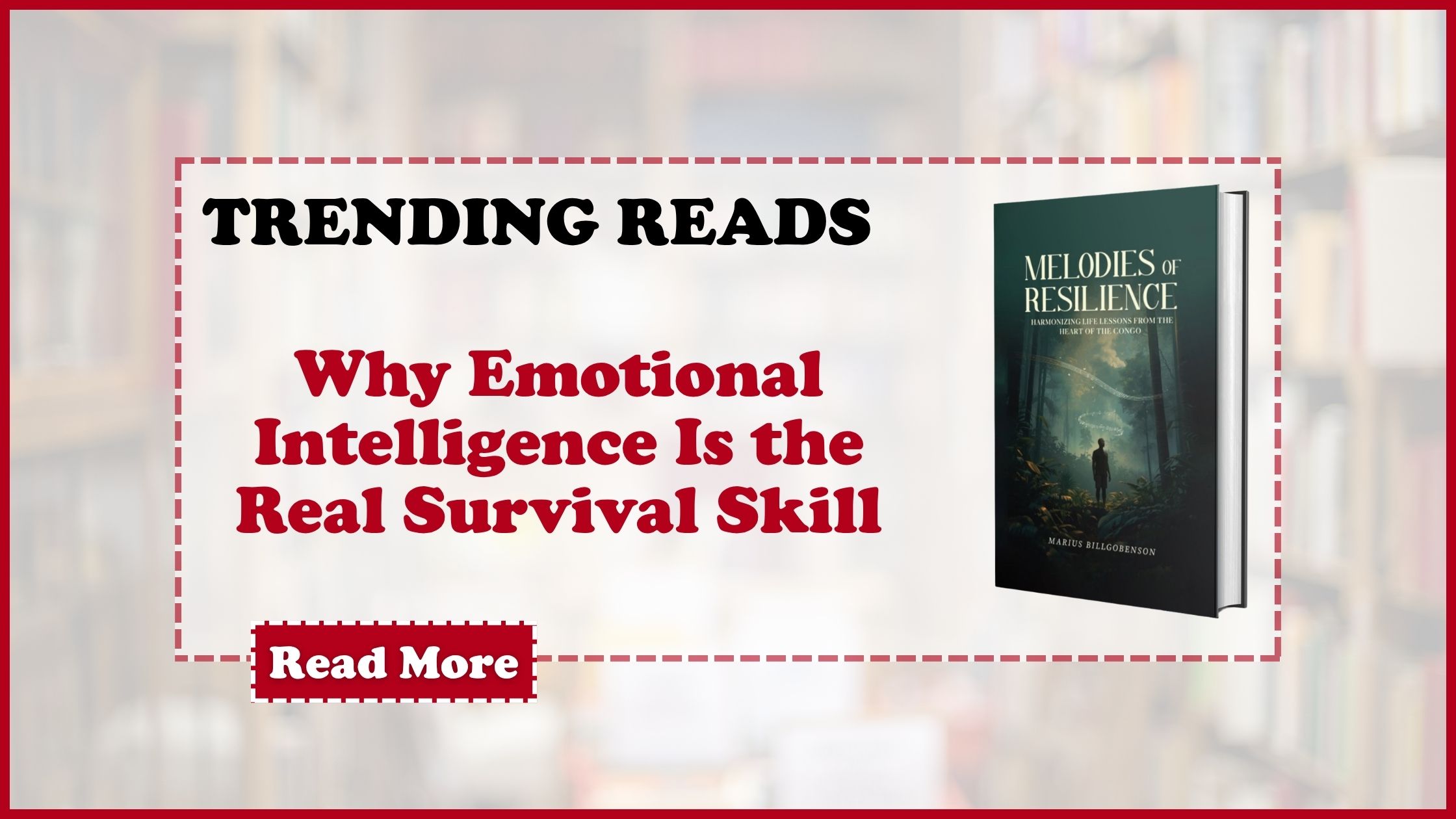
In difficult environments, emotional intelligence becomes a survival tool. Managing fear, stress, and uncertainty enables individuals to make more informed choices. In Melodies of Resilience: Harmonizing Life Lessons from the Heart of the Congo, Marius Billgobenson explores how emotional intelligence is shaped through lived experiences during conflict and displacement. Learning to stay calm under pressure and adapt to changing conditions becomes essential for survival. These lessons remain relevant for modern readers facing personal or professional challenges.
Leadership Rooted in Awareness
Effective leadership depends on emotional intelligence. Leaders who understand emotions communicate more clearly and build trust. For example, listening carefully during moments of tension helps resolve conflict rather than escalate it. Emotional intelligence enables leaders to remain steady and compassionate, especially during times of uncertainty. This skill strengthens teams and encourages cooperation, which are essential for long-term success.
Stronger Relationships Through Emotional Awareness
Relationships thrive when emotional intelligence is present. Being aware of emotions improves communication and reduces misunderstandings. For instance, recognizing when a loved one needs support rather than solutions creates a deeper connection. Emotional intelligence helps people respond with empathy and patience. These qualities foster healthier relationships and promote emotional safety in both personal and professional contexts.
Personal Growth and Resilience
Emotional intelligence also fuels personal growth. Understanding emotional patterns helps individuals identify triggers and habits that hinder their progress. Reflecting on experiences allows lessons to emerge from difficulty. In Melodies of Resilience: Harmonizing Life Lessons from the Heart of the Congo by Marius Billgobenson, emotional intelligence is connected to resilience through self-reflection and cultural wisdom. The book connects emotional intelligence to survival, leadership, relationships, and personal growth.
A Skill Worth Developing
Unlike physical strength, emotional intelligence can continue to grow throughout life. Practicing mindfulness, listening actively, and reflecting on emotional responses all strengthen this skill. Over time, these practices improve decision-making and emotional stability.
For readers seeking a grounded perspective on emotional strength, Melodies of Resilience: Harmonizing Life Lessons from the Heart of the Congo by Marius Billgobenson offers meaningful insight. It reminds us that emotional intelligence is not just a soft skill but a real survival skill that shapes how we endure, lead, and grow.
Available now on Amazon: https://www.amazon.com/dp/B0GR77GC8J/