One of the most compelling chapters in Roman James’s Jesus vs Muhammad: Understanding the Tenets of Christianity and Islam explores the treatment of women in both religions. His approach is clear-eyed and rooted in scripture, yet it also challenges readers to consider how tradition and modernity have shaped the gender discourse in both faiths.
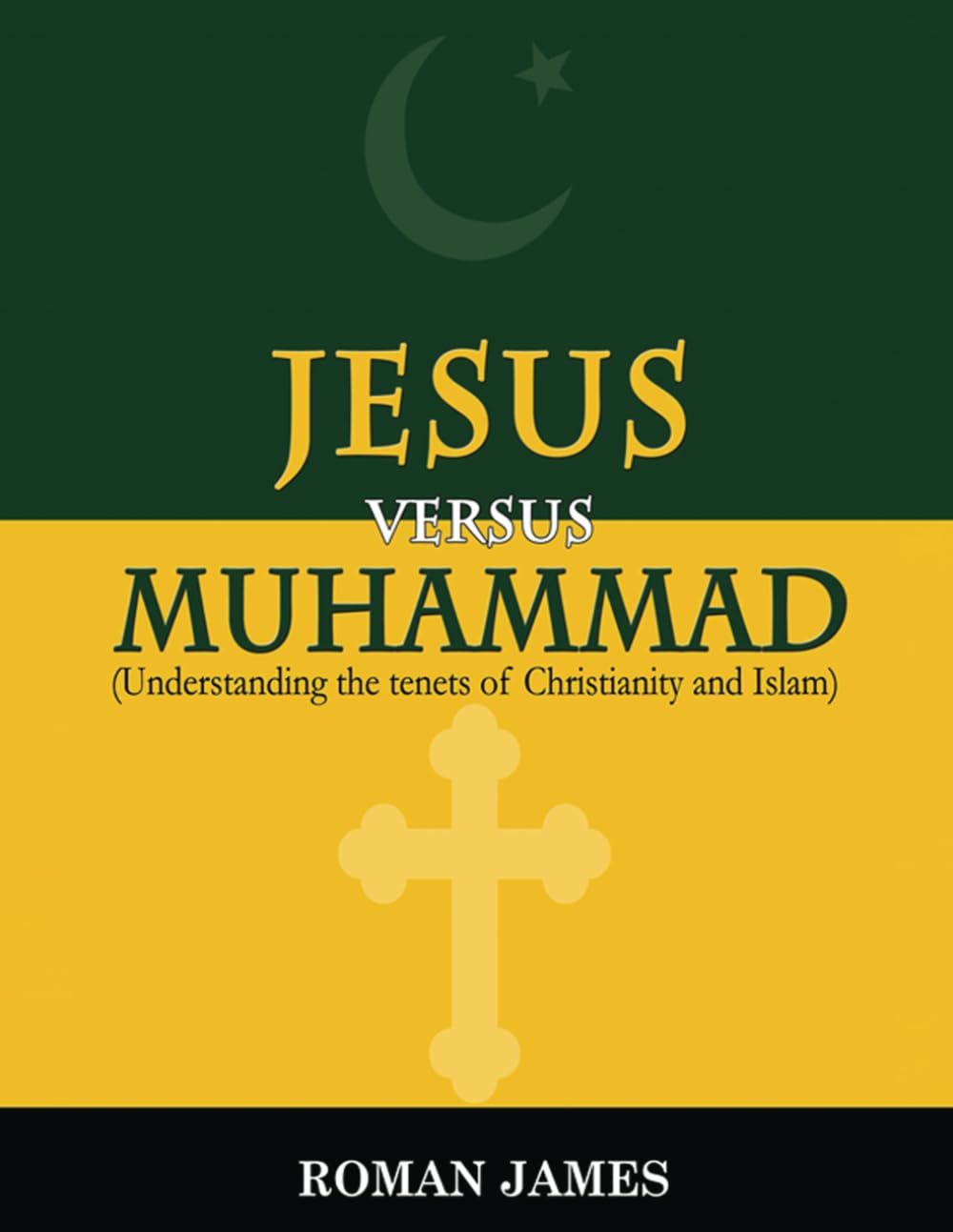
James presents a detailed comparison of how Christianity and Islam view gender roles, using side-by-side tables of scripture from the Bible and the Quran. This method allows readers to see not only where the faiths diverge but also where they overlap. His primary concern is to uncover how the core teachings of Jesus and Muhammad have been interpreted—sometimes rightly, often rigidly—by male-dominated religious hierarchies.
In Christianity, Jesus’s interactions with women were revolutionary for his time. He spoke directly to women, healed them, defended them, and even commissioned them. Mary Magdalene, for example, was the first witness to the resurrection—a foundational moment in Christian history. James notes that the teachings of Jesus created space for women in the spiritual and moral life of the community.
However, the Church’s history is more complicated. The rise of institutional Christianity, particularly under Roman influence, gradually curtailed women’s roles. As James points out, even today, many denominations limit leadership positions to men, citing Paul’s letters. This raises important questions about how selective interpretation can fossilize inequality in the name of tradition.
Islam, as James explains, brought radical reforms for women in 7th-century Arabia. Female infanticide was outlawed, women were given property and inheritance rights, and the Quran explicitly granted them spiritual equality. Yet, James also points out that many of these progressive verses have been overshadowed by cultural practices and patriarchal readings of the Hadiths. The Quranic allowance for polygamy, for example, is often applied today without its historical or ethical context.
One of the strengths of James’s book is his use of progressive Muslim scholars like Sultan Shahin, who argue that many of the inequalities justified in Islam today stem from a failure to apply Ijtihad, or independent reasoning. James encourages Muslims to embrace reform from within, echoing Pope Francis’s call for “adequate interpretation” of scripture.
Yet James doesn’t let Christianity off the hook. He challenges both faiths to ask why women’s voices are still underrepresented in religious leadership and why outdated cultural norms are still defended in the name of God.
For modern readers—especially women of faith—the book offers a rich starting point for reflection. What would Jesus or Muhammad say about gender equality today? Would they endorse the way their teachings have been institutionalized, or would they call for renewal?
Jesus vs Muhammad doesn’t pretend to offer easy answers, but it does spark the right questions. It encourages Christians and Muslims alike to go beyond dogma and rediscover the original compassion at the heart of their traditions. Gender equality, James suggests, is not a modern invention but a divine intention that both faiths must continue to pursue.
In today’s world, where women’s rights are often politicized, this book dares to bring theology into the conversation—not as a weapon, but as a tool for progress. For anyone interested in the intersection of faith, gender, and justice, Jesus vs Muhammad is a thought-provoking read that balances reverence with reform.