In an age of polarized debates and digital echo chambers, the idea of criticizing a religion respectfully can seem impossible. Yet in his book Jesus vs Muhammad: Understanding the Tenets of Christianity and Islam, Roman James attempts to do just that—walk the tightrope between honest critique and respectful dialogue.
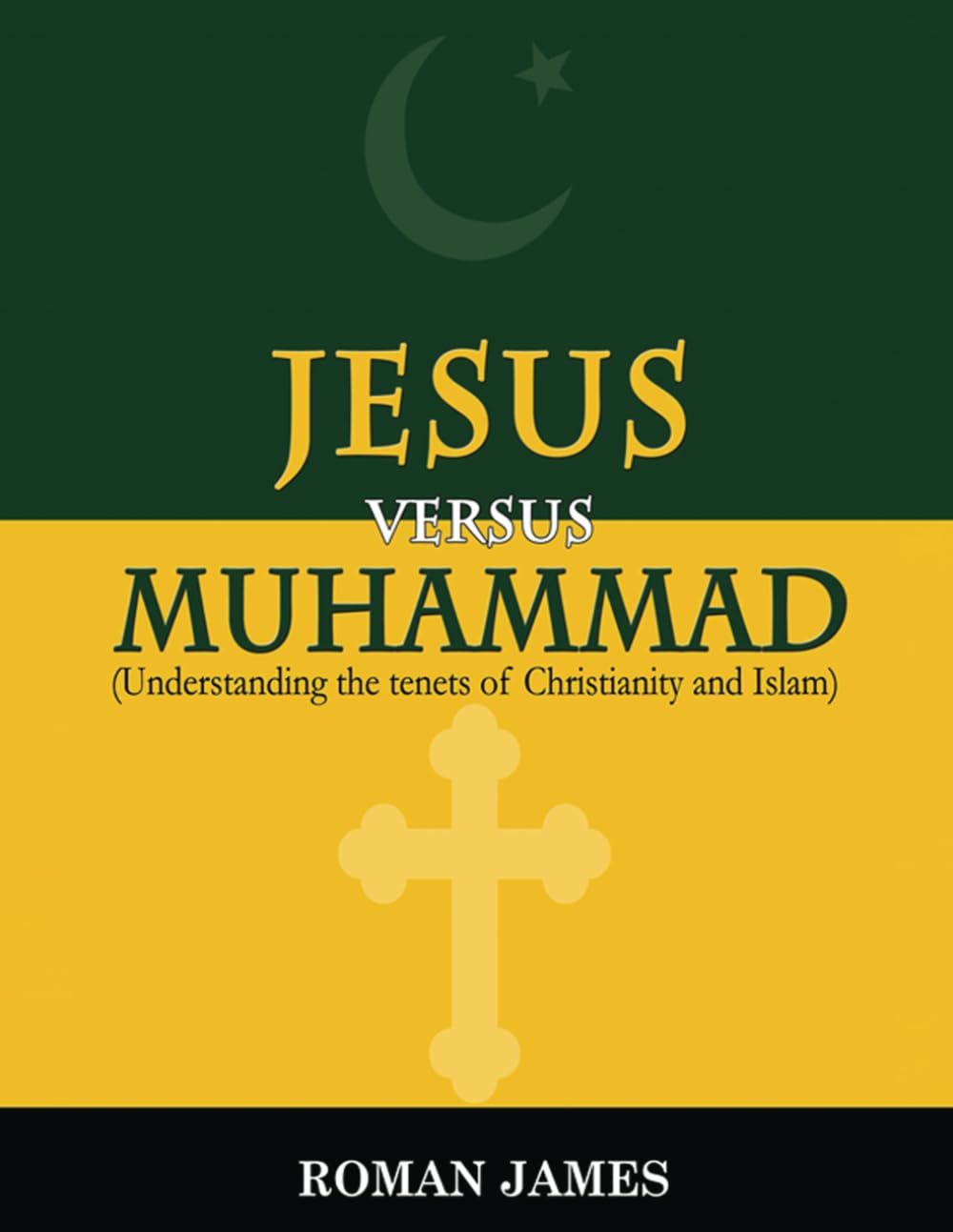
James, a Christian researcher and writer, embarks on a challenging journey: to compare the theological and social foundations of Christianity and Islam using scriptural sources, historical context, and modern interpretations. He makes it clear from the outset that his intention is not to vilify but to understand, question, and engage. His approach offers a timely example of how criticism can serve as a bridge rather than a wall.
One of the key takeaways from James’s book is that true interfaith dialogue is impossible without the courage to confront difficult truths. This includes acknowledging areas where religious teachings, practices, or institutions have contributed to injustice or stagnation. However, what separates thoughtful critique from bigotry is the posture of humility and the commitment to accuracy.
James avoids sweeping generalizations by quoting directly from the Quran and the Bible, and by leaning on progressive Muslim scholars like Sultan Shahin and Grace Mubashir. This ensures that the Islamic views he engages with are not filtered through an ex-Muslim or hostile lens. This choice is critical. Too often, criticism of Islam, in particular, relies on cherry-picked verses or culturally distorted practices, giving ammunition to those who seek to demonize rather than understand.
At the same time, the book doesn’t spare Christianity from scrutiny. James acknowledges the historical failings of the Church, including its resistance to reform and the misuse of religious power. He calls for continued Christian introspection, highlighting that true faith demands both personal and institutional self-examination.
However, the book does receive criticism from reviewers for moments where it leans into missionary zeal. Attempts to persuade Muslims of the truth of the Trinity, for example, risk undermining the impartiality that James otherwise works hard to maintain. Still, the effort to quote interfaith champions like Pope Francis shows a desire to center reconciliation over superiority.
So, how can we criticize religion without becoming bigots? Roman James offers a blueprint: start with sincere intent, stay grounded in sources, invite dialogue with insiders, avoid caricature, and criticize systems—not people. Most importantly, acknowledge the complexity within religious traditions. Islam is not a monolith, just as Christianity spans countless denominations and interpretations.
In a world that often sees religion as the source of division, Jesus vs Muhammad invites readers to see how sincere questioning, when done respectfully, can foster understanding. Criticism, then, becomes not an act of destruction, but of construction—a way to build bridges between two of the world’s largest faith communities.
This book is ideal for readers—especially young adults, students of theology, and interfaith advocates—who want more than headlines and slogans. It challenges us to move beyond silence or hostility, and instead, speak with both conviction and compassion. If we are to have a future where faith unites rather than divides, we must learn the difficult art of critique without condemnation. Roman James makes a compelling case that it’s not only possible—it’s necessary.