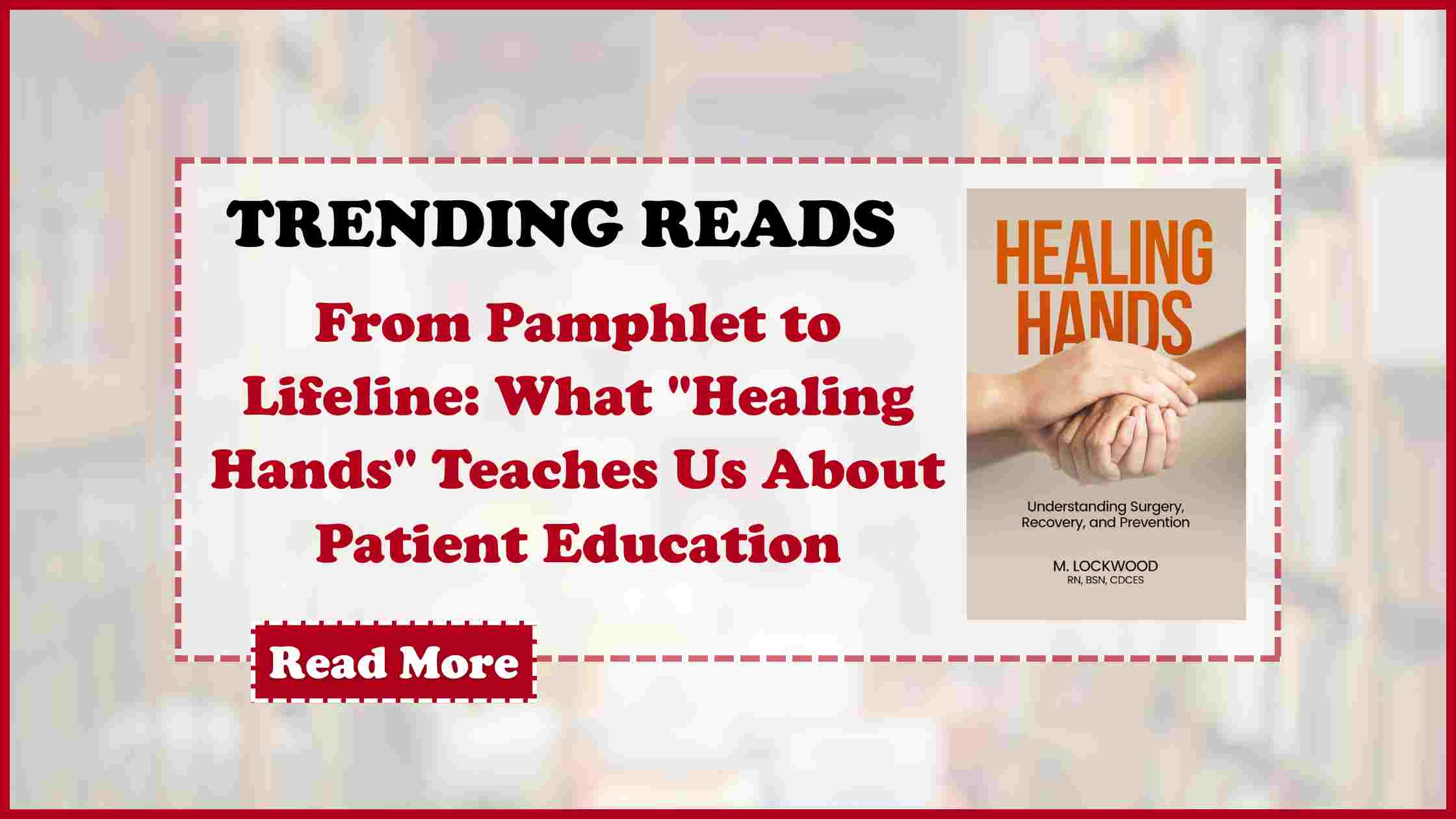
In Healing Hands: Understanding Surgery, Recovery, and Prevention , Merry Lockwood, a seasoned registered nurse, offers far more than a medical manual—she presents a lifeline of lived experience, knowledge, and compassionate advice. What began as a modest attempt to write a pamphlet for her surgeon’s office grew into a full-fledged guidebook for anyone facing the daunting reality of hand surgery or chronic hand pain. Through Lockwood’s personal journey, readers gain valuable insights into the power of patient-centered education—a theme that lies at the heart of her narrative.
Lockwood’s story begins in frustration: a lack of accessible, encouraging, and practical resources. Scouring the internet, she found little aside from bleak YouTube testimonials and dense clinical texts intended for professionals. Her own experience of losing temporary function in her dominant hand—a hand heavily relied upon throughout her nursing career and daily life—was marked by isolation and unanswered questions.
Yet instead of surrendering to that frustration, Lockwood did something remarkable: she used her situation as a case study to inform and uplift others. She realized that most educational materials are either too clinical or too shallow, offering little empathy or everyday practicality. Her response was Healing Hands—a book that bridges that gap.
What readers can learn from her journey is not just how to recover from hand surgery, but how patient education should evolve. Lockwood doesn’t simply explain procedures—she walks readers through every stage, from the unexpected struggles of one-handed daily tasks to the emotional toll of prolonged recovery. She shares her discoveries of helpful tools, her adaptation strategies, and even the psychological burden of post-operative limitations. These are the lessons no pamphlet ever covers, but every patient needs.
One of the most compelling parts of her message is the emphasis on realistic, relatable preparation. For example, Lockwood discusses how to dress, eat, and even maintain hygiene with one functioning hand. This level of detail isn’t a footnote—it’s central to her mission. By weaving empathy into practical education, she turns medical instruction into a form of empowerment.
Moreover, Lockwood addresses a generational shift in how we use our hands. From typewriters to touchscreens, she traces the evolution of repetitive hand use and what it means for long-term health. In doing so, she plants a flag in a growing conversation about tech-driven wear and tear—especially for young people exposed to devices from toddlerhood.
Ultimately, Healing Hands serves as both a guidebook and a blueprint for patient education that puts the patient first. Lockwood reminds us that healing is not only physical—it’s emotional, social, and intellectual. When patients are informed, prepared, and heard, their outcomes and quality of life improve dramatically.
This is more than a book—it’s a movement. Healing Hands teaches us that informed patients are empowered patients, and in that knowledge lies the true foundation of healing.