In the 1800s, nail making was a trade that required great skill, strength, and concentration. Every nail was made by hand using fire, iron, and tools that demanded careful control. Although nails were small objects, the work behind them was complex and risky. Nail making supported thousands of families, yet it exposed workers to daily danger.
Skill was essential from the very first step. Nail makers had to judge heat by sight alone. Iron rods were placed into a fire until they reached the correct temperature. If the iron was too cool, it would crack or resist shaping. If it was too hot, it could weaken or burn away. There were no thermometers or safety controls. The nail maker learned through experience, often starting as a child by watching older family members.
Once heated, the iron had to be worked quickly. Nail makers shaped the metal on a small anvil using repeated hammer strikes. Each blow had to be accurate. A poorly aimed strike could ruin the nail or injure the worker. Nail heads, points, and lengths all had to meet specific requirements depending on their use. Making hundreds or even thousands of nails a week required consistency and precision, not brute force alone.
Different types of nails demanded different techniques. Small nails used for furniture or cloth work had to be thin and even. Larger nails used for doors, horseshoes, or buildings needed more strength and control. Skilled nail makers could switch between these types without hesitation. This ability came only after years of practice.
Despite the skill involved, the work was extremely dangerous. Nail makers worked close to open fires for long hours. Burns were common. Sparks could fly from hot iron without warning. Workshops were often dark and filled with smoke, making it harder to see clearly. Poor lighting increased the risk of injury.
Hands and fingers were constantly at risk. Nail makers held hot iron close to the hammering surface. A single mistake could result in crushed fingers or severe burns. Tools such as cutters were sharp and used while the metal was still hot. Accidents could happen in a moment of tiredness or distraction.
Breathing problems were another serious danger. Coal fires produced thick smoke and dust. Workshops were small and poorly ventilated. Over time, nail makers developed chronic coughing and chest illnesses. Many workers struggled to breathe as they grew older, yet continued working because their families depended on the income.
The danger extended beyond physical injury. Nail making was exhausting work. Nail makers often worked from sunrise until sunset. Fatigue made mistakes more likely. Children and women were also involved, usually making smaller nails, which exposed them to the same risks at a young age. There were no safety laws to protect them.
Payment systems added another layer of hardship. Nail makers were often paid unfairly, sometimes in tokens rather than money. This meant long hours of dangerous work did not always result in enough food or proper clothing. Hunger weakened the body, making illness and injury more likely.
Despite these dangers, nail makers took pride in their work. Nails were essential to buildings, tools, and everyday life. Strong nails meant safe homes, secure doors, and durable goods. The skill of the nail maker held communities together quite literally.
Understanding why nail making was both skilled and dangerous helps us appreciate the labour behind simple objects. It also reminds us how hard life was for working families in the past and why safety laws and education became so important.
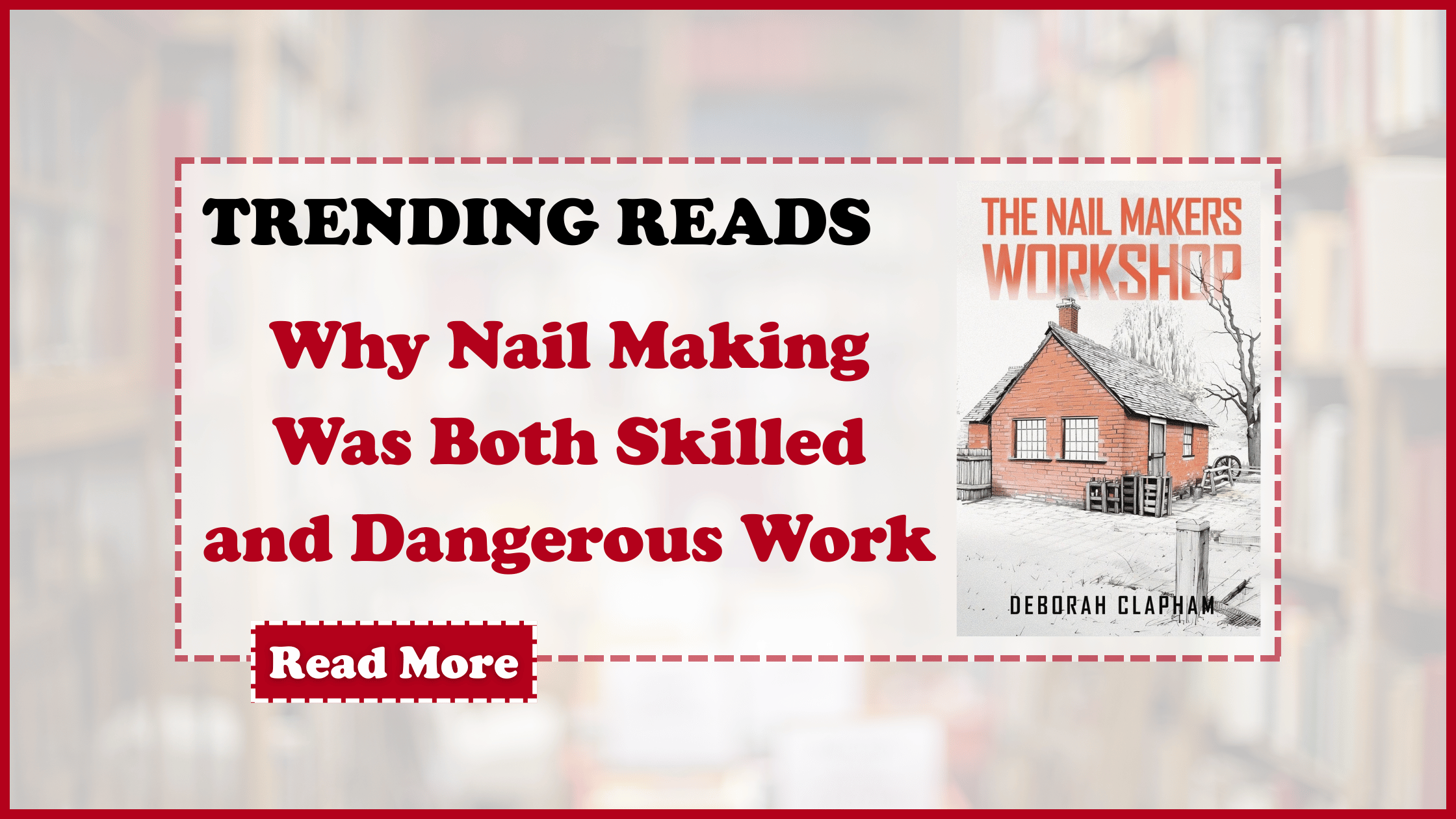
These realities are explored clearly and thoughtfully in Emily’s Adventures The Nail Makers Workshop by Deborah Clapham, a book that helps young readers understand the skill, risk, and resilience behind this important historical trade.
Book now available on https://www.amazon.co.uk/dp/1971610682/