Despite major advances in medicine, preventable diseases continue to consume a large share of healthcare spending in the United States. This raises an important question: Why do illnesses that are often avoidable still place such a heavy burden on the healthcare system?
The answer lies in a complex mix of lifestyle habits, limited preventive care, and a healthcare system that traditionally focuses more on treatment than prevention. While medical science has developed powerful tools to manage disease, preventing illness in the first place often requires changes in behavior, awareness, and long term habits.
The Growing Burden of Chronic Disease
Chronic conditions such as heart disease, diabetes, obesity, and hypertension remain among the leading causes of illness and death. Many of these conditions are strongly linked to lifestyle factors including poor diet, physical inactivity, tobacco use, and excessive stress.
Because these illnesses develop gradually, they often go unnoticed for years. By the time symptoms appear, the disease may already require ongoing treatment.
Managing chronic illness involves regular medical visits, medications, monitoring, and sometimes hospital care. These services contribute significantly to overall healthcare spending.
The Prevention Gap
One of the most significant challenges in healthcare is what experts often call the prevention gap. Preventive measures such as health screenings, vaccinations, and lifestyle counseling can help identify risks early and stop diseases before they become serious.
However, many people delay preventive care or skip recommended screenings altogether. Busy schedules, lack of awareness, and limited access to healthcare services can all contribute to this problem.
When early opportunities for prevention are missed, conditions may progress to stages that require far more complex and expensive treatment.
Health Awareness and Engagement
Another reason preventable diseases continue to dominate healthcare spending is that many individuals feel disconnected from the healthcare system. Medical information can sometimes be difficult to understand, and short clinical visits may not provide enough time to fully discuss lifestyle changes.
Encouraging people to become more engaged in their own health can help address this issue. When individuals understand how nutrition, physical activity, and regular medical checkups affect their wellbeing, they are more likely to take preventive steps.
Education and clear communication play an important role in helping people make informed choices about their health.
A Shift Toward Prevention
Reducing the impact of preventable diseases requires a shift in how healthcare is approached. Instead of focusing primarily on treating illness, greater emphasis must be placed on keeping people healthy in the first place.
Healthcare providers, public health organizations, and communities can all contribute by promoting preventive care, supporting healthy environments, and making health information more accessible.
At the same time, individuals must feel empowered to take an active role in protecting their health through informed lifestyle decisions.
Preventable diseases will continue to challenge healthcare systems until prevention becomes a shared priority.
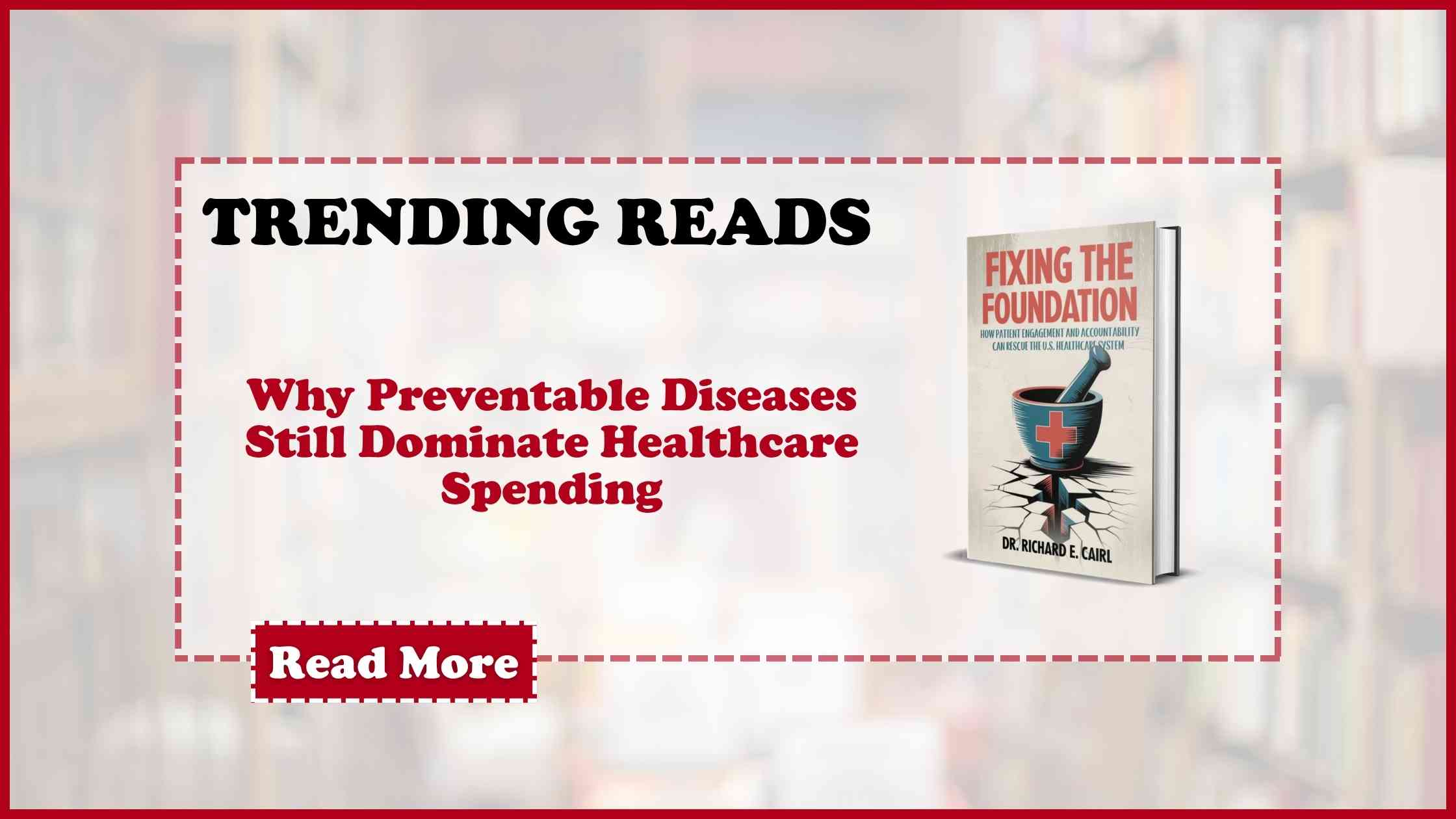
Readers who want to better understand the role of patient engagement and accountability in improving health outcomes may find valuable insights in Fixing the Foundation: How Patient Engagement and Accountability Can Rescue the U.S. Healthcare System by Dr. Richard E. Cairl. The book explores how empowering patients and strengthening preventive care can help address many of the underlying issues driving healthcare costs today.
Drawing on research from behavioral science, public health, policy, and emerging digital technologies, the book explores why patients have historically been marginalized in healthcare decision making and how empowering them as active partners can improve outcomes, reduce costs, and strengthen the entire system. Through practical strategies, policy insights, and a forward looking discussion of tools such as AI driven health support systems, the book presents a compelling vision for a healthcare model built on shared responsibility between patients, providers, and policymakers.
Available Now On Amazon: https://www.amazon.com/dp/B0GRCRBKB6/