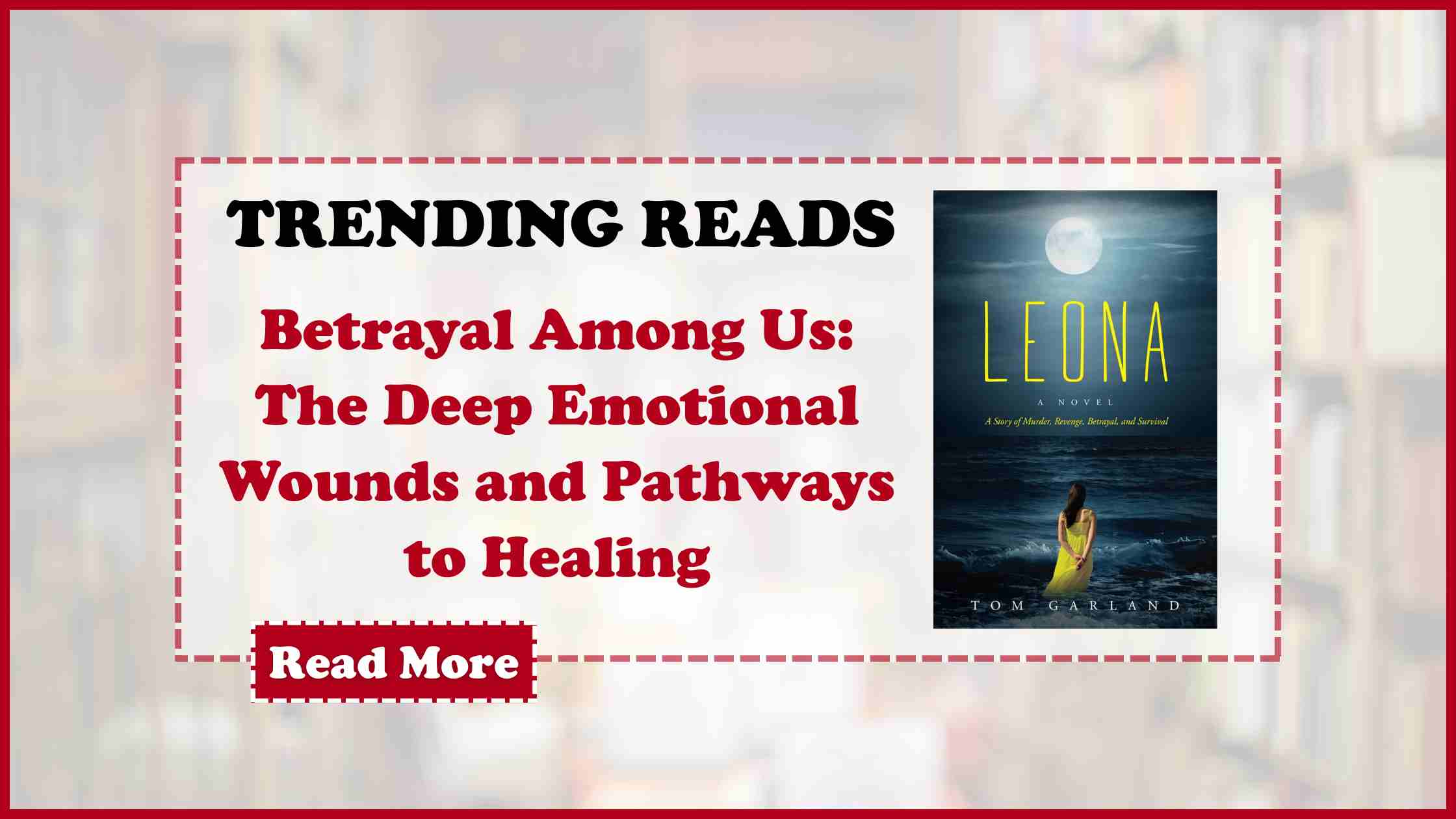
The core of our relationships and trust can be severely damaged by betrayal, a deep emotional hurt. Betrayal, whether from a friend, family member, or romantic partner, can have disastrous effects, leaving lasting wounds that impair our emotional health and social relationships. This article will examine the severe emotional scars of betrayal and suggest getting well.
Understanding the Impact of Betrayal
Betrayal occurs when someone we trust or care about breaks that trust significantly. This breach of trust can manifest in various forms, such as dishonesty, infidelity, or disloyalty. The emotional impact of betrayal is often profound, leading to a range of feelings and psychological effects:
Shock and Disbelief: At first, we may feel shocked and taken aback by betrayal. It might be shocking to learn that someone we trusted has behaved differently than we expected, and it can be challenging to accept the situation as it is.
Anger and Resentment: A typical response to betrayal is anger. We could harbor a strong hatred towards the betrayer, driven by our hurt and unfairness. This fury can be overwhelming, impairing our reasoned thought and decision-making capacity.
Self-Doubt and Low Self-Esteem: Betrayal can result in low self-esteem and self-doubt. Feelings of inadequacy and vulnerability may result from doubting our judgment, deservingness, and capacity to trust others.
Isolation and Distrust: Betrayal leaves emotional scars that might make us suspicious of people, making us feel alone and making it difficult to build new relationships. People may be difficult to trust because we worry about getting harmed again.
Pathways to Healing from Betrayal
Healing from betrayal is a process that requires time, self-compassion, and effort. Here are some pathways to help navigate the journey toward recovery:
Acknowledge and Validate Your Feelings: It’s critical to recognize and give meaning to the feelings you are going through. Give yourself permission to experience and deal with your hurt, grief, and rage. You can work through these emotions by journaling or speaking with a therapist or trusted friend.
Seek Professional Support: Counselling can be a helpful tool for processing the emotional fallout from betrayal. You can process difficult feelings, examine the effects of the betrayal, and create coping mechanisms with the assistance of a mental health expert. Other treatment modalities, such as cognitive-behavioral therapy (CBT), can be especially successful.
Practice Self-Care: Prioritize self-care and concentrate on things that enhance your well-being. Take part in things that make you happy, relaxed, and proud. Healthy food, exercise, and mindfulness are other factors that support emotional recovery.
Rebuild Trust Gradually: It takes time to regain confidence in yourself and others. Start small and controllable to begin re-establishing connections with people and building new relationships. To build trust, have open lines of communication, and establish sensible boundaries.
Forgive and Let Go: While it doesn’t imply forgetting what happened or accepting the betrayal, forgiveness can be a vital first step towards moving on. You can free yourself from wrath and bitterness and concentrate on your healing by forgiving the betrayer and yourself.
Learn and Grow: Make the most of the opportunity to grow personally from the betrayal experience. Think back on the insights you’ve gained about your relationships and yourself. Become more resilient and acquire new coping mechanisms to better manage obstacles in the future.
Conclusion
Being betrayed is an extremely painful event that can cause long-lasting emotional damage. You may, however, re-establish your connections, boost your self-esteem, and rebuild your trust by realizing the effects of betrayal and trying to mend. Recall that recovery from betrayal is a journey and that you may become stronger and more resilient with time, support, and self-compassion.
Immerse yourself in Tom Garland’s riveting novel, “Leona: A Story of Murder, Revenge, Betrayal, and Survival.” This intense narrative explores the deep emotional wounds caused by betrayal and the fierce drive for healing and revenge. Follow sixteen-year-old Leona as she navigates a harrowing journey of survival and retribution, uncovering pathways to healing amidst the chaos. Experience a powerful story that delves into the complexities of trust and resilience. Don’t miss out—get your copy of “Leona” today from here: https://amz.run/9UiX, and witness how Leona’s journey mirrors our struggles with betrayal and the quest for redemption.