There’s something undeniably magical about rhyming picture books. The sing-song rhythm, the playful repetition, and the colorful illustrations capture children’s attention in a way few other teaching tools can. But beyond the giggles and bedtime cuddles lies something more profound—rhyming stories lay the foundation for essential life skills.
Children’s brains are wired to recognize patterns. Rhymes naturally create those patterns, helping little ones anticipate what comes next. This anticipation sharpens memory, supports language development, and strengthens early literacy skills. When a child finishes the last word of a rhyming line before you do, it’s not just adorable—it’s evidence of learning in action.
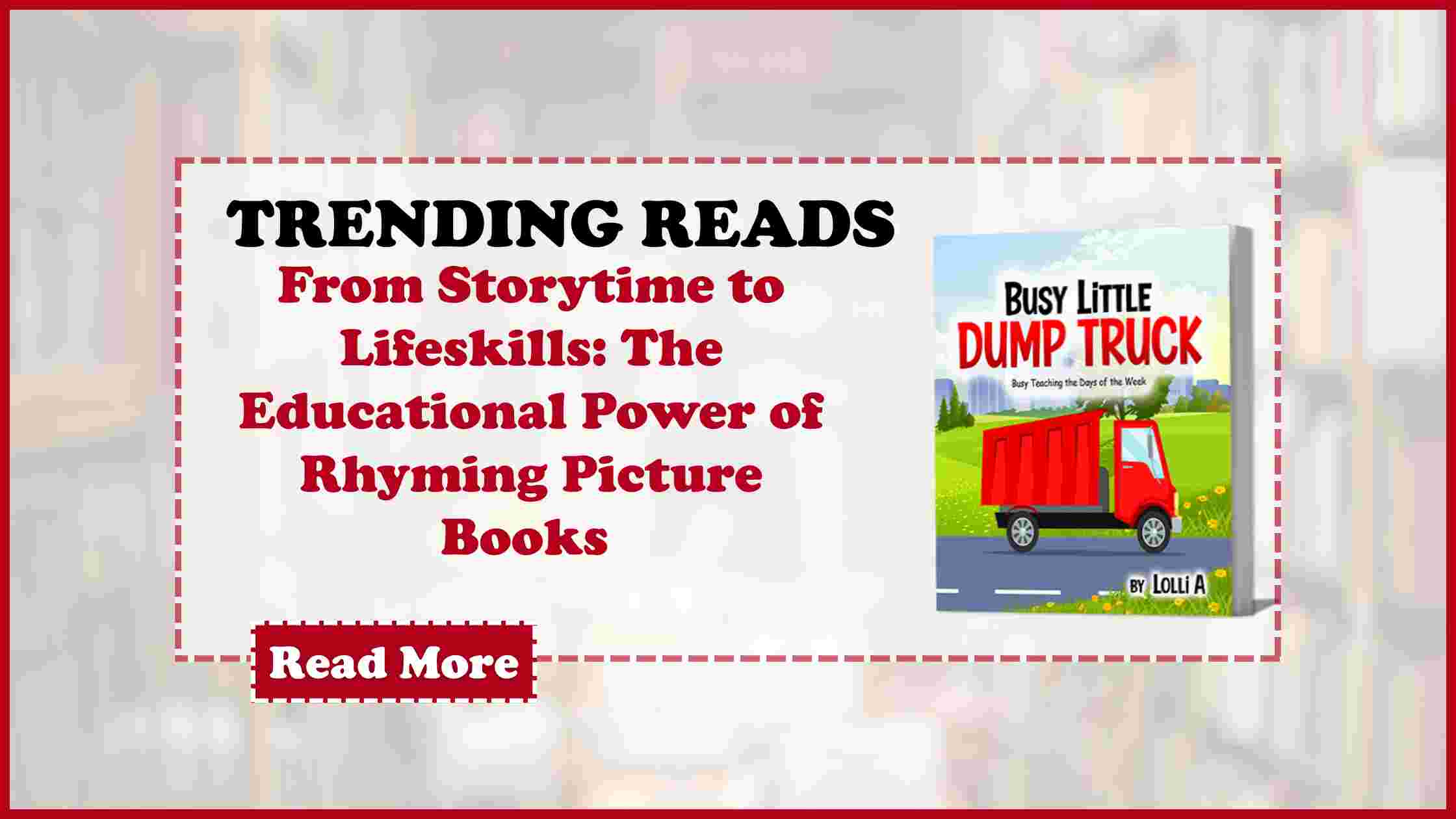
But the impact goes further. Books like Busy Little Dump Truck: Busy Teaching the Days of the Week by Lolli A show how rhymes can structure a child’s understanding of time, responsibility, and daily routines. Each day brings a new adventure for the dump truck, teaching not just the sequence of the days, but also how different actions contribute to a larger purpose. The rhyme makes it memorable, the story makes it meaningful.
Rhyming picture books also promote emotional development. Their gentle cadence can soothe anxious minds, and the predictable language helps build confidence in emerging readers. When children can recite lines on their own, they feel ownership over the story—and by extension, their learning.
As a tool for connection, rhyming books are powerful. They create shared moments between caregiver and child. Whether it’s a teacher in a circle of fidgety preschoolers or a grandparent snuggled on the couch with a toddler, the rhymes become a bridge between generations, helping build vocabulary, listening skills, and love.
From storytime to real-world readiness, rhyming picture books don’t just teach—they prepare children for life.